

window-lock-maintenance5608
window-lock-maintenance5608
The 10 Most Terrifying Things About Damaged Conservatory Seals
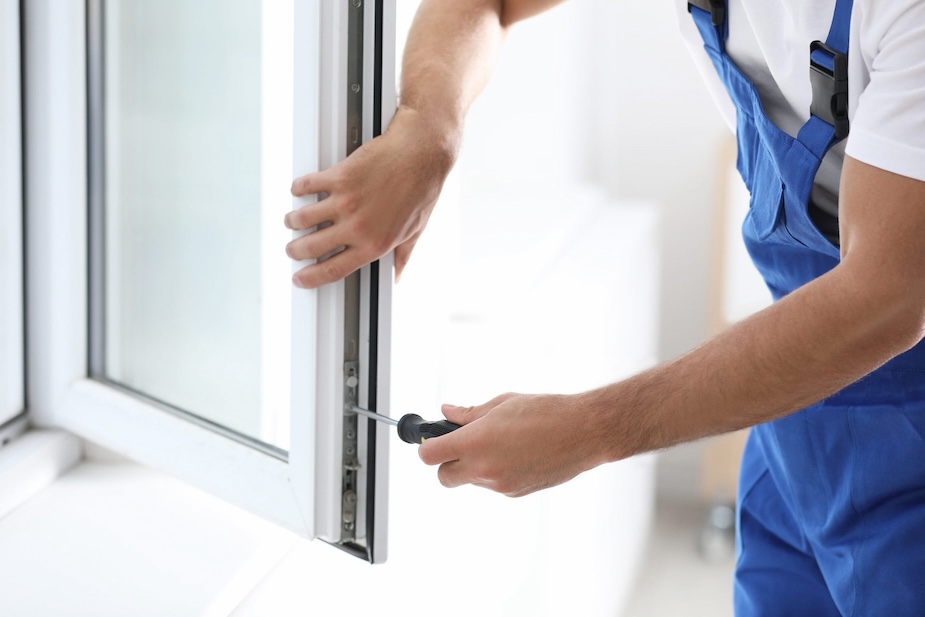
Understanding Damaged Conservatory Seals: Causes, Consequences, and Solutions
Conservatories have actually ended up being a popular addition to many homes, providing an abundance of natural light and a comfy area to unwind. However, like any structure, they need maintenance to remain practical and safe. Among the most typical issues dealt with by conservatory owners is damaged seals. This article will delve into the causes, repercussions, and solutions for damaged conservatory seals, providing readers with a detailed understanding of this often-overlooked issue.
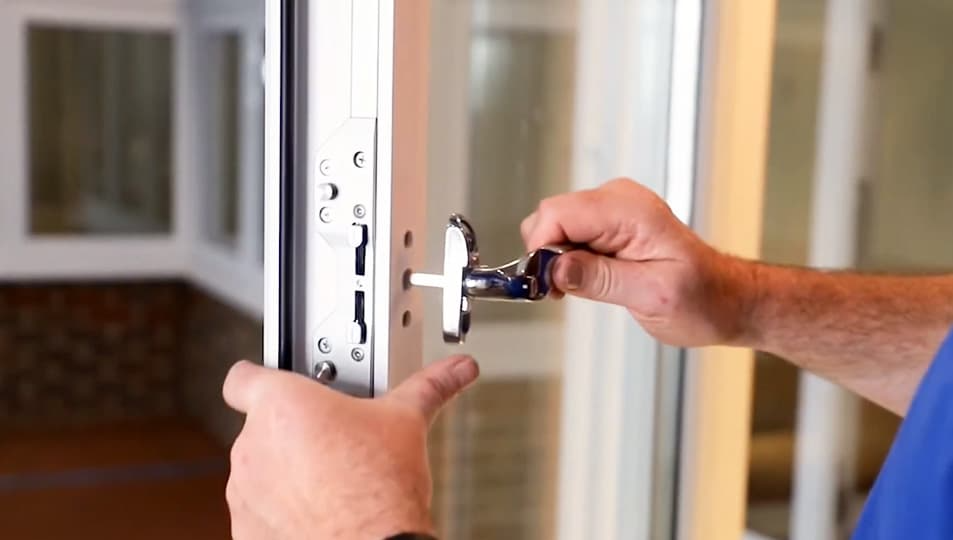
What are Conservatory Seals?
Conservatory seals are usually silicone or rubber strips designed to produce a tight barrier between the glass panels and the frame. These seals are important for keeping insulation, preventing drafts, and safeguarding the interior from moisture and contaminants. Gradually, these seals can deteriorate due to various elements, resulting in ineffectiveness and damage.
Reasons For Damaged Conservatory Seals
Understanding the typical causes of damaged seals is vital for property owners aiming to maintain their conservatories. Here are some of the primary reasons:
-
Weathering: The natural aspects can take a toll on conservatory seals. UV direct exposure from the sun can trigger seals to end up being brittle and crack, while severe temperature level fluctuations can result in growth and contraction, further damaging the seals.
-
Poor window lock installation: Inadequately installed seals may not stick to the surface areas correctly. If installers do not ensure a tight fit throughout installation, the seals are more vulnerable to damage and leaks.
-
Age: Like any element of a structure, conservatory seals have a life expectancy. In time, seals can lose their effectiveness, becoming less resilient versus the aspects.
-
Mechanical Damage: Heavy things falling or impacts from tree branches, for circumstances, can physically damage seals, causing jeopardized insulation and leaks.
-
Lack of Maintenance: Neglecting routine maintenance can exacerbate existing issues. Dirt, debris, window maintenance safety – https://krogh-mcclain-2.thoughtlanes.net/its-the-one-window-mechanism-repair-trick-every-person-should-be-aware-of – and mold can build up, causing early wear and tear.
Effects of Damaged Conservatory Seals
The effects of stopping working to resolve damaged seals can be significant. Here are some prospective consequences:
-
Increased Energy Costs: Damaged seals compromise insulation, leading to greater energy bills as heating and cooling systems work harder to keep comfortable temperatures.
-
Condensation and Mold Growth: Broken seals permit moisture to penetrate, causing condensation accumulation inside the conservatory. Excess wetness can cultivate the development of mold and mildew, which postures health risks.
-
Structural Damage: Persistent leaks from damaged seals can cause water damage, jeopardizing the structural stability of the conservatory and surrounding areas.
-
Uncomfortable Living Space: Drafts and temperature level variations can make the conservatory an unpleasant area to relax, eventually impacting its designated usage.
-
Reduced Property Value: A conservatory in disrepair, with noticeable damage such as mold or drooping structures, can diminish the total appeal of a home, reducing its market value.
How to Inspect and Maintain Conservatory Seals
Routine assessment and maintenance can assist lengthen the life of conservatory seals. House owners can follow these guidelines:
Checklist for Inspection
- Visual Inspection: Examine the seals for cracks, spaces, or visible wear. Look for indications of mold or water ingress along the edges.
- Look for Drafts: On a windy day, run your hand along the edges of the seals to feel for any cold drafts indicating spaces.
- Evaluation Interior Conditions: Are there signs of moisture buildup or mold in corners or along edges of the conservatory? If so, this might indicate seal failure.
Tips for Maintenance
- Regular Cleaning: Use mild soap and water to clean up the seals, removing dirt or debris that can impact adhesion.
- Reapplication of Seals: If seals have actually degraded considerably, consider reapplying brand-new silicone or replacing the rubber seals entirely.
- Professional Inspections: Engage a professional to examine the seals every few years, specifically if your conservatory is older or has actually experienced considerable wear.
Solutions for Damaged Conservatory Seals
When it concerns attending to damaged conservatory seals, a number of choices are available. Here is a list of potential services:
-
DIY Repairs: For minor cracks, homeowners can clean the affected area and apply a premium silicone sealant. Make sure the location is dry before application for ideal adhesion.
-
Seal Replacement: If the seals are thoroughly used or broken, they might need to be replaced entirely. This process typically involves getting rid of old seals and window Lock problems sticking new ones that work with your conservatory structure.
-
Professional Help: For substantial damage, employing a professional might be the best choice. Specialized professionals have the experience and tools required to efficiently repair or change seals and address any underlying issues contributing to seal failure.
-
Preventive Measures: After dealing with current seal issues, homeowners can take steps to prevent future damage. This consists of regular cleansing, applying UV protective films to the glass, and ensuring correct drainage around the conservatory to avoid water accumulation around the seals.
FAQs about Damaged Conservatory Seals
Q1: How frequently should I check my conservatory seals?It is recommended to
check your conservatory seals at least two times a year, preferably in the spring and fall, to identify any signs of wear or damage.
Q2: Can I repair conservatory seals myself?Minor repairs
, such as filling fractures or little gaps with sealant, can often be done by house owners. Nevertheless, for substantial damage or replacement, seeking advice from a professional is advisable.
Q3: What kind of sealant is best for conservatory seals?A premium silicone sealant designed for outside use is generally the best option for repairing or changing damaged seals, as it is weather-resistant and has great adhesive residential or commercial properties. Q4: How do I understand if my conservatory seals are beyond local lock repair?If you
are regularly experiencing drafts, leaks, or visible mold growth despite repair attempts, it may be time to change the seals completely. Q5: What can I do to prevent seal damage?Regular maintenance, consisting of cleansing seals and ensuring correctdrain, can help avoid seal damage.
Additionally, setting up UV protective films can decrease use from sunshine direct exposure. In conclusion, maintaining conservatory seals is important for the durability and comfort of these cherished spaces.
By understanding the causes, repercussions, and solutions connected to damaged seals, property owners can secure their financial investments, ensuring their conservatories remain lovely and practical for years to come.