

window-glass-repairs7399
window-glass-repairs7399
Repair Doors And Windows Tools To Improve Your Daily Life Repair Doors And Windows Trick That Should Be Used By Everyone Learn
The Comprehensive Guide to Repairing Doors and Windows
Doors and windows are necessary parts of any building structure, supplying security, insulation, and aesthetic appeal. Over time, these fixtures are vulnerable to wear and tear due to various factors, consisting of weather condition modifications, unintentional damage, and routine use. Comprehending how to repair doors and windows can be crucial for maintaining a home or structure’s structural stability and general look. This guide aims to supply thorough information on the kinds of repairs, typical problems came across, and detailed procedures for reliable repairs.
Typical Issues with Doors and Windows
Before diving into repair strategies, it’s crucial to acknowledge common problems faced by doors and windows. Here’s a checklist of problems that may need attention:
Doors:
- Warping: Caused by humidity changes, doors may bow or twist.
- Scratches and Dents: Physical impact can leave undesirable marks.
- Sticking: Misalignments or swelling can make doors hard to open.
- Lock Malfunctions: Locking systems may become jammed or broken.
Windows:
- Drafts: Air leaks due to bad sealing or old weather stripping.
- Broken Glass: Damage from effects or extreme weather.
- Foggy Glass: Failure of double-glazed systems, causing moisture build-up.
- Rodent Damage: Infestations can result in broken frames or sashes.
Tools and Materials Needed
Before starting any repair work, guarantee you have the needed tools and materials at hand. Here’s a practical list:
Tools:
- Screwdriver (Flathead and Phillips)
- Hammer
- Measuring tape
- Level
- Energy Knife
- Caulk Gun
- Pliers
- Sandpaper
- Sculpt
Materials:
- Replacement Glass (if required)
- Wood Filler
- Weather Stripping
- Caulk
- Paint/Stain
- Screws and Nails
Step-by-Step Repair Process
Repairing Doors
-
Examine the Damage
- Observe and identify the type of damage. Check hinges, locks, and the door frame for any structural problems.
-
Fixing Warped or Sticking Doors
- Change Hinges: Tighten or loosen screws on hinges to line up the door effectively.
- Sand Edges: If the door sticks, lightly sand down the edges utilizing sandpaper up until it opens efficiently.
-
Repairing Scratches and Dents
- Wood Filler: Apply wood filler to scratches, let it dry, and sand it flush with the surface area. Complete by painting or staining to match the door’s color.
-
Changing the Lock
- Eliminate the old lock following the manufacturer’s instructions. Set up the new lock by protecting it in place with the supplied screws.
Repairing Windows
-
Inspect the Window Frame
- Examine for rot, warping, or instability in the frame. Use a level to guarantee it’s square.
-
Repairing Drafts
- Get Rid Of Old Weather Stripping: Take off the used removing with an energy knife.
- Install New Weather Stripping: Measure and cut the new removing to size, then press it into place.
-
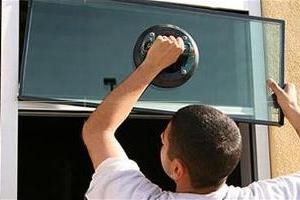
Repairing Cracked Glass
- If the crack is minor, utilizing epoxy may be adequate. For considerable damage, remove the broken glass utilizing an utility knife and change it with brand-new glass, protecting it with putty.
-
Addressing Foggy Windows
- If the double-glazed unit fails, think about changing the whole system. Speak with an expert if the job appears challenging or needs specialized tools.
Maintenance Tips
Routine maintenance can avoid future concerns with windows and doors. Some efficient practices consist of:
- Regular Inspections: Check frames, locks, and seals a minimum of twice a year.
- Tidy: Remove dirt and debris from frames and sills to prevent serious concerns.
- Paint/Stain: Reapply paint or stain every few years to protect wood surfaces.
- Oil: Use WD-40 or a comparable item to lube hinges and locks for smooth operation.
Summary Table of Repairs
| Repair Type | Tools Needed | Materials Needed | Approximated Time |
|---|---|---|---|
| Repairing Warp/Sticking | Screwdriver, Sandpaper | None | Thirty minutes |
| Repairing Scratches | Sandpaper, Wood Filler | Paint/Stain | 1 hour |
| Changing Locks | Screwdriver | New Lock | 30 minutes |
| Fixing Drafts | Energy Knife | Weather Stripping | 1 hour |
| Replacing Glass | Energy Knife, Hammer | Replacement Glass | 1-2 hours |
Often Asked Questions (FAQs)
1. How typically should I examine my doors and windows?
Regular inspections are recommended twice a year to guarantee that any possible problems are determined early.
2. Can I change glass in a window myself?
Yes, if you have the right tools and are comfy with the procedure. Nevertheless, for substantial damage or double-glazed units, it’s recommended to speak with a professional.
3. What are the indications that I need to replace my door or window?
Common signs include comprehensive warping, trouble in opening/closing, and noticeable damage such as fractures or large dents.
4. How do I fix a door that will not lock?
Guarantee the latch is aligned with the strike plate. You might require to change the hinges or move the strike plate a little to attain correct positioning.
5. Is weather condition stripping necessary?
Yes, weather condition removing is vital for energy effectiveness and preserving a comfy indoor environment, preventing drafts and wetness from entering.
Repairing doors and windows is a vital skill for homeowners and home supervisors alike. By understanding typical problems, acquiring the right tools and products, and following appropriate repair door – had me going – techniques, individuals can preserve their property’s stability and longevity. Regular maintenance and timely repairs not just improve the functionality of windows and doors but also include value to the property. Whether undertaking minor repairs or larger repairs, putting in the time to do it right can make a significant distinction in the convenience and security of any building.