

soffit-and-fascia-repair5871
soffit-and-fascia-repair5871
You’ll Be Unable To Guess Soffit And Fascia Replacement’s Tricks
Soffit and Fascia Replacement: A Comprehensive Guide
Soffit and fascia might not be the very first terms that enter your mind when property owners believe about their homes, but they play vital functions in both aesthetics and performance. In time, these elements of your roofline can become used or harmed due to weather, insects, or easy age. This blog post will explore the significance of soffit and fascia, reasons for replacement, the replacement process, and often asked concerns.
Understanding Soffit and Fascia
Before diving into replacement information, it’s necessary to comprehend what soffit and fascia are.
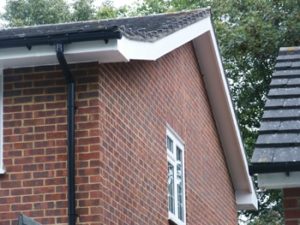
What is Soffit?
Soffit describes the underside of the eaves or overhanging areas of your roofing. It is typically ventilated, permitting air flow into the attic and safeguarding the roofing system from wetness accumulation, which can cause mold growth and rot.
What is Fascia?
Fascia is the horizontal board that runs along the edge of the roofing. It functions as a barrier in between the roof and the outside aspects, supplying support for the lower roofline and serving as a mounting point for gutters.
Table 1: Functions of Soffit and Fascia
| Component | Function |
|---|---|
| Soffit | – Ventilates the attic to avoid moisture buildup – Protects rafters from weather damage – Enhances the visual appeal of the home |
| Fascia | – Supports the edge of the roof – Serves as a base for rain gutters – Provides aesthetic interest the roofline |
Reasons for Replacement
There are several factors homeowners may need to consider replacing their soffit and Fascia And Gutter Replacement:
- Damage from Weather: Storms, hail, and heavy rains can harm soffit and fascia, causing degeneration and compromised structural integrity.
- Pest Infestation: Rodents, insects, and birds might find their way into harmed soffits, causing infestations that can damage the home.
- Rot and Decay: Wooden soffits or Fascia And Soffit Installation are particularly vulnerable to rot when exposed to wetness, causing a requirement for replacement.
- Climate Adaptation: Homeowners may choose to change soffit and fascia to better match their regional environment, going with materials that stand up to severe weather.
- Aesthetic Upgrade: Aging or out-of-date soffit and fascia can diminish a home’s curb appeal, triggering property owners to buy an upgrade.
Table 2: Signs You Need to Replace Soffit and Fascia
| Indication | Description |
|---|---|
| Noticeable Deterioration | Fractures, rot, or falling pieces are evident. |
| Insect Activity | Indications of rodents or pests near the Roofline Maintenance. |
| Wetness Problems | Mold or mildew in the attic or near roof locations. |
| Poor Air Circulation | Increased energy expenses due to ventilation problems. |
| Discoloration | Fading colors or spots on the soffit/fascia. |
The Replacement Process
Changing soffit and fascia might appear overwhelming, however with proper preparation, it can be a straightforward project. Below is a step-by-step guide to the replacement process:
Step 1: Assess the Structure
Before starting any replacement, it is important to assess the condition of the existing soffit and fascia. Figure out the level of the damage and whether any underlying structural problems require addressing.
Step 2: Choose Replacement Materials
Select products that best fit your home’s requirements and environment. Typical soffit and fascia materials include:
- Vinyl: Low-maintenance and resistant to wetness and insects.
- Aluminum: Lightweight with outstanding durability and insulation homes.
- Wood: Traditional and aesthetically appealing however needs regular maintenance.
Step 3: Gather Tools and Materials
Guarantee you have the following tools and materials on hand:
- Ladder
- Security goggles
- Hammer
- Nail weapon
- Energy knife
- Measuring tape
- New soffit and fascia products
- Fasteners
Step 4: Remove Old Material
Carefully eliminate the old soffit and fascia, making sure not to harm surrounding areas. It’s necessary to use protective gear during this procedure.
Step 5: Install New Soffit and Fascia
Begin by installing the brand-new fascia board at the roofing system’s edge, guaranteeing it’s secured with appropriate fasteners. Next, install the soffit panels, beginning with one end and working your method to the other, making sure appropriate spacing for ventilation where required.
Step 6: Cleanup and Final Touches
As soon as installation is complete, tidy up any particles and make certain all tools are put away. It’s also a great chance to repaint or end up the soffit and fascia to boost their appearance.
Table 3: Average Costs of Soffit and Fascia Replacement
| Material Type | Price per square foot | Estimated Total for 1,000 sqft |
|---|---|---|
| Vinyl | ₤ 2 – ₤ 5 | ₤ 2,000 – ₤ 5,000 |
| Aluminum | ₤ 3 – ₤ 6 | ₤ 3,000 – ₤ 6,000 |
| Wood | ₤ 4 – ₤ 8 | ₤ 4,000 – ₤ 8,000 |
Frequently Asked Questions (FAQ)
Q1: How often should soffit and fascia be changed?
A1: It differs depending on materials and climate conditions. Normally, you should examine them every 5-10 years for any signs of wear.
Q2: Can I change soffit and fascia myself?
A2: While it’s possible for convenient house owners, the installation can be challenging. If you are not comfy operating at heights or lack experience, hiring a professional is recommended.
Q3: What are the benefits of utilizing vinyl over wood for soffit and fascia?
A3: Vinyl is more resistant to wetness and insects and requires less maintenance compared to wood, which is vulnerable to rot and requires regular treatment.
Q4: Will replacing soffit and fascia improve my home’s energy efficiency?
A4: Yes, appropriate ventilation from a brand-new soffit can boost air flow in the attic, potentially reducing cooling and heating expenses.
Q5: How can I maintain my brand-new soffit and fascia?
A5: Regularly inspect for any damage, tidy gutters to prevent overflow, and wash vinyl or aluminum surfaces to avoid accumulation.
Soffit and fascia replacement is an often-overlooked yet crucial element of home maintenance. By understanding their significance and acknowledging the signs that indicate the need for replacement, homeowners can maintain both the aesthetic appeals and structural integrity of their homes. Whether tackling the project themselves or hiring professionals, remaining informed leads to better options and a well-kept home.