

ovens-and-hobs6387
ovens-and-hobs6387
Oven And Hob 10 Things I’d Like To Have Learned Earlier
The Complete Guide to Ovens and Hobs: Choosing the Right Appliances for Your Kitchen
When it concerns creating culinary masterpieces, the significance of quality kitchen home appliances can not be overemphasized. Ovens and hobs are the heart of any kitchen, allowing home cooks and professional chefs alike to develop, bake, and sauté tasty meals. Understanding the various types of ovens and hobs, in addition to their functions and functionalities, is essential for making educated purchasing decisions. This short article provides an in-depth take a look at ovens and hobs, helping you browse the options available so that you can improve your kitchen’s efficiency and versatility.
Comprehending Ovens
Ovens are vital for cooking and baking and been available in different types to meet varied culinary needs. Here is a summary of the most common kinds of ovens:
1. Conventional Ovens
Standard ovens work by heating up the air inside with gas or electric components. They are perfect for baking cakes, roasting meats, and cooking casseroles.
2. Convection Ovens
These ovens utilize a fan to flow hot air, providing an even temperature level throughout, which can substantially minimize cooking times. They are perfect for baking cookies or roasting vegetables.
3. Microwave Ovens
Microwaves cook food quickly using electromagnetic radiation. They are ideal for reheating leftovers or defrosting frozen foods but are not ideal for browning or crisping.
4. Wall Ovens
Including a wall oven into your kitchen style can conserve space and develop a streamlined visual. They work simply like standard or convection ovens but are built into the wall for easy gain access to.
5. Range Ovens
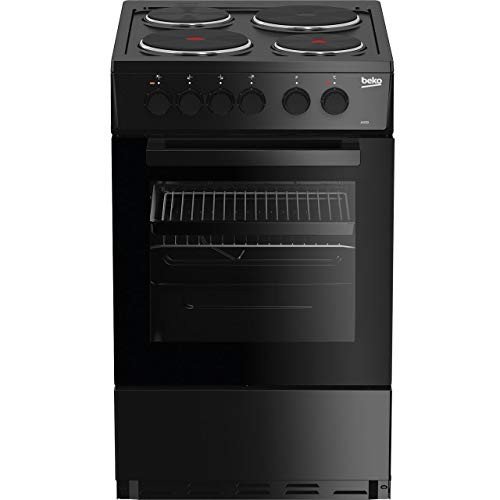
These ovens combine stovetop burners with an oven, providing flexibility for those who choose a single device for all cooking requirements.
| Type | Cooking Method | Best For |
|---|---|---|
| Conventional | Electric/Gas | Baking, roasting |
| Convection | Air blood circulation | Quick cooking, even baking |
| Microwave | Electro-magnetic | Reheating, thawing |
| Wall Ovens | Electric/Gas | Space-saving, smooth style |
| Range Ovens | Electric/Gas | Flexible cooking |
Checking out Hobs
Hobs, also referred to as cooktops or stovetops, offer the surface area to cook pans straight over a heat source. Like ovens, hobs can be found in various types, which can be categorized as follows:
1. Gas Hobs
These hobs use a flame for cooking and offer immediate heat control. They are preferred by lots of chefs for their responsiveness and precision.
2. Electric Hobs
Electric hobs utilize coils or flat surface areas to heat pans. They offer a consistent heat source, however they may take longer to cool down compared to gas hobs.
3. Induction Hobs
Induction hobs utilize electromagnetic energy to heat pots and pans straight, making them highly effective and quicker to prepare. They are likewise simpler to clean up as the surface area remains fairly cool.
4. Solid Plate Hobs
These are older innovation that utilizes solid metal plates to offer heat. They are resilient but are less efficient than modern-day alternatives.
| Type | Heat Source | Advantages | Disadvantages |
|---|---|---|---|
| Gas Hobs | Flame | Immediate heat control | Requires gas connection |
| Electric Hobs | Electric coils | Consistent heat | Slower to cool down |
| Induction Hobs | Electro-magnetic | Quick cooking, energy-efficient | Needs suitable cookware |
| Solid Plate Hobs | Solid metal plate | Sturdiness | Less efficient |
Choosing the Right Appliances
Choosing the ideal oven and hob for your kitchen includes considering various factors:
1. Area and Layout
Measure your kitchen area to figure out the size and placement of the oven and hob. Guarantee there is adequate ventilation, especially for gas appliances.
2. Cooking Style
Consider how typically you cook and the kind of meals you prepare. A stove may suit avid bakers, while someone who frequently stir-fries might choose an induction hob.
3. Energy Source
Pick the energy source that best fits your lifestyle. Gas offers instant control, while electric and induction hobs offer ease of use and are typically more energy-efficient.
4. Budget plan
Identify your budget for kitchen devices. Ovens and hobs differ significantly in cost, depending on functions and brands. Prioritize essential features that satisfy your needs.
5. Functions
Look for functionalities such as self-cleaning options, smart innovation compatibility, specific rack setups for ovens, and security functions for hobs.
Frequently Asked Questions (FAQs)
Q1: What is the difference in between a conventional oven and a convection oven?A1: Conventional ovens heat the air inside without fans, while convection ovens make use of a fan to circulate hot air for more even cooking. Q2: Can I utilize aluminum cookware on induction hobs?A2: No, induction hobs need ferrous (magnetic )products like cast iron or stainless steel to work efficiently. Q3: Do gas hobs heat quicker than electric hobs?A3: Yes, gas hobs supply instant heat, making them quicker for cooking compared to electric hobs. Q4: Is it safe to use a microwave oven?A4: Yes, when used according to the manufacturer’s guidelines, microwave ovens are thought about safe for cooking.
Q5: How frequently need to I clean my oven and hob?A5: For ideal efficiency, clean your oven regularly, particularly after spills. Hobs must be wiped down after each use
to avoid buildup. Ovens and Hobs With Oven
are important elements of a well-equipped kitchen. Comprehending the various types, their performances, and the factors to consider associated with purchasing
them can drastically boost cooking experiences. Whether one is a casual home cook or an expert chef, investing time in picking the ideal appliances can cause cooking success and satisfaction in the kitchen. By prioritizing features that align with your cooking design, energy sources that fit your home, and budget plan factors to consider, you can develop an effective workspace that motivates cooking creativity.