

home-exercise-bike4031
home-exercise-bike4031
How To Make An Amazing Instagram Video About Stationary Bicycle
The Benefits and Features of Stationary Bicycles
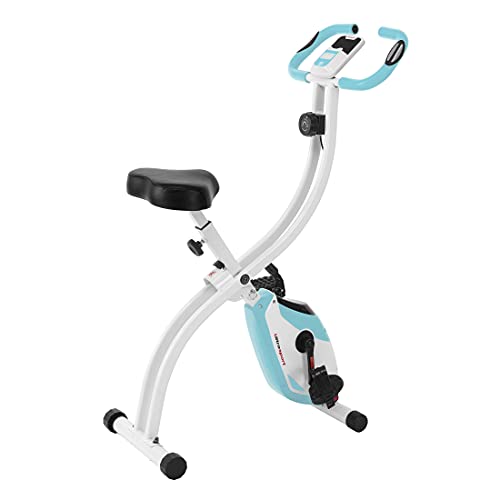
Stationary bicycles, frequently understood as exercise bikes or spinning Bike bikes, have acquired substantial appeal as a preferred devices for indoor biking exercises. With the growing emphasis on fitness and healthy living, the stationary bicycle is a flexible and effective solution that accommodates various audiences– including fitness enthusiasts, newbies, and rehab patients. This short article explores the myriad advantages of stationary bicycles, key functions to consider when buying one, and some common concerns about their use.
Advantages of Stationary Bicycles
Utilizing a stationary bicycle comes with many fitness and health benefits, consisting of:
- Convenient Workouts: Stationary bicycles enable individuals to exercise from the convenience of their homes, eliminating the need for a gym membership or time-consuming travel.
- Cardiovascular Health: Regular biking is an exceptional method to enhance cardiovascular fitness, adding to a much healthier heart and lungs.
- Low Impact Exercise: Unlike running or jogging, cycling is a low-impact exercise, making it ideal for people of any ages and fitness levels, including those with joint issues or injuries.
- Weight Management: Regular exercises can aid in burning calories, making it easier to manage weight and enhance body composition.
- Muscle Strengthening: Stationary bicycles primarily work the muscles in the legs, including quadriceps, hamstrings, and calves. They can also engage the core muscles to a particular level.
- Flexibility of Workouts: Users can adjust the intensity of their workouts by altering resistance levels, making it simple to cater exercises to individual fitness objectives.
Secret Features to Consider When Purchasing a Stationary Bicycle
When looking for a stationary bicycle, several features should be taken into factor to consider to guarantee it fits your needs and choices:
| Feature | Description |
|---|---|
| Type of Bike | Choose in between upright bicycles, recumbent bicycles, or spin bikes based on convenience and use. |
| Adjustability | Search for adjustable seats and handlebars that fit your body size for optimum comfort. |
| Resistance Levels | Various bikes provide different resistance alternatives; guarantee yours can accommodate your fitness level as you progress. |
| Display Monitor | A bike with a clear display can track your time, speed, range, and calories burned, improving your exercise. |
| Connection | Some modern-day stationary bikes featured Bluetooth connection and integration with fitness apps, making tracking your development easier. |
| Stability and Build Quality | Guarantee the bike has a durable frame and non-slip pedals for safe workouts, even during high-intensity sessions. |
| Sound Levels | Sound can be a concern. Look for bikes that operate quietly, specifically if utilized in shared living areas. |
The Popularity of Stationary Bicycles
The COVID-19 pandemic has considerably accelerated the trend of home fitness, resulting in a rise in the purchase of stationary bicycles. With lots of gyms closed or restricted in capacity, more people turned to home exercises, and stationary bicycles emerged as an available solution. Additionally, the increase of virtual spin classes and fitness apps has transformed indoor biking into an appealing and inspiring experience.
Types of Stationary Bicycles
There are mainly three types of stationary bicycles to consider:
-
Upright Bicycles: These resemble traditional bicycles and engage core muscles. They appropriate for a range of workouts, including commercial indoor riding classes.
-
Recumbent Bicycles: Featuring a reclined seating position, these bikes supply back assistance and decrease stress on joints. They are an exceptional option for older adults or those with back discomfort.
-
Spin Bikes: Designed for high-intensity workouts and imitating roadway biking, these bikes generally have a heavier flywheel, permitting for increased resistance and a more smooth cycling experience.
FAQs about Stationary Bicycles
Q1: How frequently should I use a stationary bicycle for efficient workouts?A1: Generally, it’s recommended to participate in cardiovascular exercise, including biking, a minimum of 150 minutes a week. This can be broken down into sessions of about 30 minutes, 5 times a week.
Q2: Can stationary bicycles assist with weight reduction?A2: Yes, stationary bicycles can assist with weight loss when integrated with a well balanced diet. An efficient cycling session can burn a significant number of calories, helping in developing a calorie deficit.
Q3: What resistance setting should I utilize when cycling?A3: It depends upon your fitness level and goals. Newbies must begin with low resistance to establish endurance, while advanced users can increase resistance for a more difficult exercise.
Q4: Do I need a special bike for spin classes?A4: While some stationary bicycles are specifically developed for spin classes, you can utilize other types as long as they come with a good training program and a comfortable ride.
Q5: How can I guarantee correct posture while riding?A5: Adjust your seat height so that your knees are somewhat bent at the bottom of the pedal stroke. Keep your back straight and unwinded while avoiding excessive leaning.
The stationary bicycle is an effective fitness tool that offers a range of benefits– from cardiovascular improvement to muscle fortifying– all within the comfort of one’s home. With various kinds of bikes readily available and includes to boost the user experience, individuals can quickly discover a design that fits their specific needs. As fitness continues to trend upwards in significance, the stationary bicycle stays a classic option for all fitness levels.
By understanding the advantages, features, and functional aspects of stationary bicycles, consumers can make informed decisions that will result in much healthier way of lives. Integrating cycling into a regular fitness routine could be the stepping stone lots of require to achieve their health and health objectives.