

good-cribs2956
good-cribs2956
How To Make A Successful Baby Cot To Bed Instructions For Homeschoolers From Home
Transitioning from Baby Cot to Bed: A Comprehensive Guide for Parents
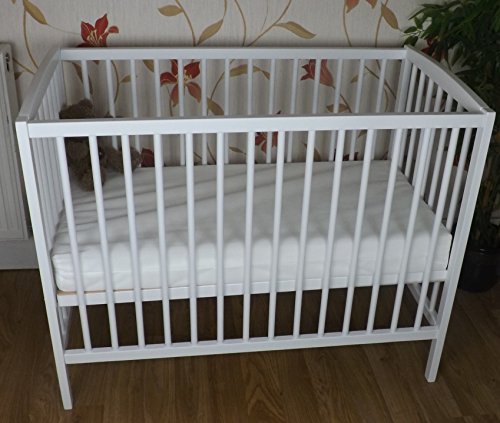
The journey from a Baby Cots On Sale cot to a bed marks a substantial turning point in a kid’s development. It symbolizes self-reliance and a step towards growing up. However, this shift can typically be intimidating for both moms and dads and kids. Understanding the procedure, the best timing, and how to make the shift smoother can substantially assist in this journey. This short article explores the important to think about when transitioning your kid from a cot to a bed, consisting of common FAQs, tips, and a structured strategy to ensure the process is as smooth as possible.
Why Transition from a Cot to a Bed?
Developmental Milestones
Transitioning to a bed is typically triggered by a number of factors:
-
Physical Growth: As kids grow, they outgrow their cots. The average size for a convertible cot is normally suggested for babies as much as 3 or 4 years old.
-
Cognitive Development: As young children end up being more curious and aware of their environments, they may try to climb out of their cots, presenting safety risks.
-
Potty Training: Once a child is potty trained, they might require easier access to the bathroom, which a bed can help with.
-
Brother or sisters: The arrival of a new brother or sister can also necessitate this shift, as the cot might require to be freed up.
When to Make the Transition
There is no one-size-fits-all response to when a kid should shift from a cot to a bed. Nevertheless, here are some indications that it might be time:
- Climbing Out: If the child is attempting to climb up out frequently.
- Age Consideration: Many experts suggest this shift around the age of 2 to 3 years, although every kid is special.
- Need for Independence: Children might reveal a desire for a big-kid bed.
Kinds Of Beds Suitable for Toddlers
Not all beds are created equivalent when it concerns young kids. Here’s a breakdown of ideal bed types:
| Bed Type | Description | Pros | Cons |
|---|---|---|---|
| Toddler Bed | Smaller sized, lower to the ground, typically with side rails. | Size-appropriate for young children; stability. | Minimal life expectancy as they outgrow quickly. |
| Single Bed | Requirement size bed meant for older kids. | Lasts longer; can be utilized for many years. | May be too big for a toddler; danger of falling. |
| Convertible Crib | Crib that transforms into a young child bed. | Versatile; conserves money in the long run. | Can be pricey; some may not offer full-sized alternatives. |
| Loft Bed | Raised bed with area underneath for play or storage. | Optimizes area; enjoyable for kids. | Not appropriate for really children; safety concerns. |
Actions to Transition Smoothly
Transitioning to a bed can be simplified with mindful planning. Here’s a step-by-step guide:

1. Prepare the Space
- Select a Location: Decide where the bed will be put.
- Childproof the Room: Since children are naturally curious, ensure that furnishings is steady, sharp edges are covered, and dangerous products run out reach.
- Keep Familiar Items: Retain favorite toys and bedding to use comfort in the brand-new environment.
2. Introduce the Bed
- Involve Your Child: Let your kid help select their bed or bed linen to create enjoyment.
- Discuss the Transition: Make them comprehend that they are becoming a big kid by having a big-kid bed. Use encouraging language.
3. Make the Swap
- Bedtime Routine: Keep the bedtime routine consistent. This develops familiarity and comfort throughout the shift.
- Assistance: Offer them reassurance but prevent being extremely protective; it’s important to motivate self-reliance.
4. Address Fears and Concerns
- Talk About Fears: Children might have fears of falling or the dark; go over these honestly.
- Reinforce Safety: Use guard rails on the bed at first and describe what to anticipate during the night.
5. Monitor and Adapt
- Be Patient: It might take time for your kid to change totally.
- Stay Consistent: Maintain the nighttime regimen, even when difficulties arise.
Frequently Asked Questions Regarding Transitioning from Cot to Bed
Q1: How long does the shift from a cot to a bed generally take?
A1: The transition can vary significantly among children– ranging from a few days to a couple of weeks– as they get used to sleeping in a new space.
Q2: Should I buy a special young child bed?
A2: Investing in a young child bed can make the shift much easier given that they are created with safety in mind; however, if you prefer to go directly to a single bed, that can work too with the best safety procedures.
Q3: What if my kid keeps getting out of bed?
A3: This is normal! Encourage them to remain in bed and establish positive support by rewarding them for staying in bed through the night.
Q4: Is it alright to transition to a huge bed too early?
A4: Transitioning too early can lead to sleep disturbances. It’s vital to examine the readiness of the kid based upon their signs and advancement.
Transitioning from a baby cot to a bed is a substantial step for both kids and parents. With thoughtful preparation and understanding of the child’s needs, moms and dads can make the shift smoother and more enjoyable. By recognizing when to make the transition, understanding the types of beds readily available, and preserving a constant routine, moms and dads can ease worries and promote a complacency for their youngster during this interesting brand-new chapter. Ultimately, every child is various, and persistence is crucial in making this journey a positive experience.