

fridge-freezer-sale7219
fridge-freezer-sale7219
The Best Fridges And Freezers Tricks To Make A Difference In Your Life
Understanding Fridges and Freezers: The Essential Kitchen Appliances
Fridges and freezers are 2 of the most necessary home appliances in modern-day kitchen areas. These devices serve an important role in food conservation and waste decrease by ensuring that perishable items remain fresh and safe for usage. This article digs into the various kinds of fridges and freezers, their performances, and crucial factors to consider for selection and upkeep.
Types of Refrigerators
The market provides a range of refrigerator types, each designed to fulfill different consumer needs. Below is a list of the most typical kinds of fridges:
-
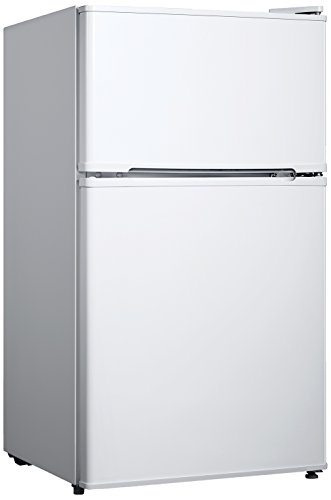
Top-Freezer Refrigerators
- Most typical type.
- Freezer compartment is situated above the refrigerator area.
- Usually more budget friendly and energy-efficient.
-
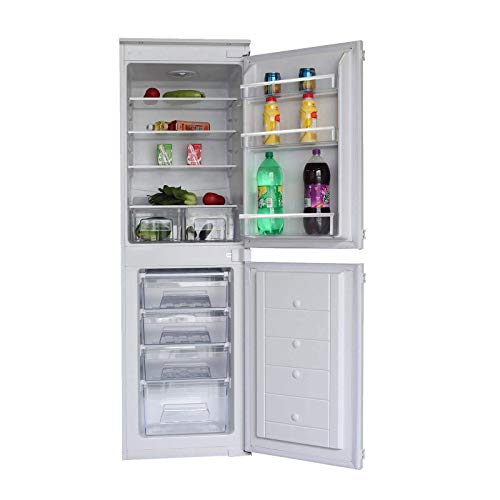
Bottom-Freezer Refrigerators
- Freezer lies at the bottom.
- Enables simpler access to fresh products at eye level.
- Often includes pull-out drawers for much better organization.
-
Side-by-Side Refrigerators
- Refrigerator and freezer areas are surrounding.
- Suitable for narrow kitchens and enables simple access to both compartments.
- Typically includes water and ice dispensers.
-
French Door Refrigerators
- Combines a bottom freezer with double doors at the top.
- Deals ample storage and trendy styles.
- Frequently includes features like temperature-controlled drawers.
-
Compact Refrigerators
- Smaller sized size ideal for restricted areas.
- Frequently used in dormitory, studio apartments, or as secondary fridges.
Table 1: Comparison of Refrigerator Types
| Type | Benefits | Disadvantages | Common Size |
|---|---|---|---|
| Top-Freezer | Affordable, energy-efficient | Less convenient access to the freezer | 14-30 cu. ft. |
| Bottom-Freezer | Much easier access to fresh food | Freezer can be harder to organize | 19-30 cu. ft. |
| Side-by-Side | Easy gain access to, water/ice dispenser | Narrow vs. storage area | 22-30 cu. ft. |
| French Door | Elegant, spacious, arranged | More pricey | 20-30+ cu. ft. |
| Compact | Space-saving, portable | Limited storage | 1.7-5.5 cu. ft. |
Types of Freezers
Freezers are a similarly important appliance for food conservation. They are available in numerous designs developed to fit different household needs. Think about the following types:
-
Upright Freezers
- Run like a basic refrigerator with vertical storage.
- Much easier to organize with shelves and compartments.
-
Chest Freezers
- Large, horizontal design typically offering more storage area.
- Maintains temperature levels much better throughout power blackouts.
- More energy-efficient than upright designs.
-
Portable Freezers
- Compact systems ideal for outside activities or little spaces.
- Typically used for camping trips or as momentary storage.
Table 2: Comparison of Freezer Types
| Type | Benefits | Disadvantages | Normal Size |
|---|---|---|---|
| Upright Freezer | Much easier to arrange | Less energy-efficient, more flooring area | 5-20 cu. ft. |
| Chest Freezer | Holds more products, energy-efficient | Harder to organize | 5-25 cu. ft. |
| Portable Freezer | Compact and versatile | Limited storage capability | 1-10 cu. ft. |
Key Features to Consider
When picking a fridge or freezer, customers need to keep in mind numerous features that can enhance performance:
- Energy Efficiency: Look for designs with the ENERGY STAR accreditation to minimize electricity expenses.
- Storage Capacity: Evaluate storage requirements based on family size and consuming practices.
- Temperature level Control: Some home appliances offer digital controls for accurate temperature settings.
- Adjustable Shelving: Customizable shelving allows for ideal company.
- Water and Ice Dispenser: Offers convenience but can take up important space inside.
- Sound Level: Sound scores can influence comfort, particularly in open-concept homes.
Advantages and disadvantages of Having a Fridge and Freezer
While fridges and freezers are essential technologies, they also have particular advantages and drawbacks:
| Pros | Cons |
|---|---|
| Maintain food life-span and reduce waste | Require routine maintenance |
| Allow bulk buying and meal prepping | Can be pricey to purchase and run |
| Deal benefit and fast access to food | Inhabit substantial kitchen space |
Maintenance Tips
To ensure durability and ideal performance of fridges and freezers, think about the following maintenance suggestions:
- Regular Cleaning: Clean the exterior and interior occasionally to avoid buildup of dirt and bacteria.
- Inspect Seals: Inspect door seals frequently for leakages to preserve effectiveness.
- Temperature Settings: Keep the fridge at 34-38 ° F and the freezer at 0 ° F for ideal food preservation.
- Defrost as Needed: Chest freezers ought to be thawed regularly to keep efficiency.
- Clear Air Vents: Ensure that air flow isn’t blocked to enhance energy effectiveness.
Frequently asked questions About Fridges and Freezers
Q1: How long can food be saved in a freezer?A: Most foods can be kept in a freezer for numerous months. Meats and poultry frequently last 4-12 months, while vegetables can last up to 8-12 months.
Q2: How typically must I clean my fridge and freezer?A: It is a good idea to clean your fridge and freezer every 3 to 6 months, or as needed when spills occur. Q3: Can I put hot food directly in the fridge?A: It is suggested to cool hot food to space temperature level before positioning it in the fridge to avoid
raising the temperature level inside the device. Q4: Why is my fridge running constantly?A: This might be due to a malfunctioning thermostat, blocked coils, or door seals that aren’t working properly. Fridges and freezers are vital
assets to contemporary families, offering essential services for food storage and conservation.
Understanding the different types, functions, and upkeep requirements can assist customers choose the Best Fridges home appliances for their requirements and maximize their performance. Embracing energy-efficient models not only supports sustainable practices however also adds to considerable cost savings on utility expenses, making informed options more crucial than ever.