

double-glazing-window-repairs9773
double-glazing-window-repairs9773
The 3 Most Significant Disasters In Window And Door Repair History
UPVC Window and Door Repairs: A Comprehensive Guide
UPVC (Unplasticized Polyvinyl Chloride) doors and windows have ended up being a staple in modern-day building due to their sturdiness, thermal efficiency, and minimal maintenance requirements. Nevertheless, like all materials, they need repairs from time to time. This short article looks into the ins and outs of UPVC window and door repairs, directing house owners through the typical issues, repair strategies, and maintenance tips.
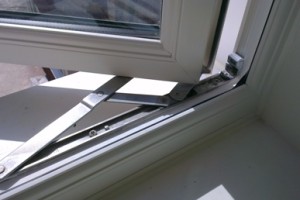
Understanding UPVC Windows and Doors
UPVC is a popular option for doors and windows thanks to its resistance to weathering and its ability to preserve its look gradually. Unlike standard products such as wood, UPVC doesn’t rot or warp, making it a preferred among contractors and property owners alike.
Benefits of UPVC Windows and Doors
- Low Maintenance: They need cleaning with soapy water, using a hassle-free maintenance regimen.
- Energy Efficiency: UPVC frames provide outstanding insulation, helping to reduce energy costs.
- Security: Many UPVC windows and doors come with multi-point locking systems, boosting home security.
- Cost-Effectiveness: Generally more inexpensive than wood or aluminum alternatives.
Common UPVC Window and Door Issues
While UPVC items are long lasting, they might still encounter different problems over time. Below are some typical problems property owners might face:
1. Drafty Windows and Doors
Symptoms: Cold air seeping in, increased heating costs.Causes: Worn seals or misalignment.
2. Sticking or Hard-to-Open Windows and Doors
Signs: Difficulty operating windows or doors.Causes: Misalignment of the frame or blockage from dirt and particles.
3. Foggy or Condensation-Prone Windows
Symptoms: Moisture accumulation between the panes.Causes: Failed seals that require replacing.
4. Cracked or Damaged Frames
Symptoms: Visible fractures or damage.Causes: Extreme weather condition conditions or unintentional impacts.
5. Fading Colors
Symptoms: Discoloration or fading of the surface area.Causes: Excessive exposure to sunshine and UV rays.
Table 1: Summary of Common UPVC Window and Door Issues
| Problem | Signs | Causes |
|---|---|---|
| Drafty Windows and Doors | Cold air, increased costs | Used seals, misalignment |
| Sticking Windows and Doors | Problem opening | Misalignment, dirt obstruction |
| Foggy Windows | Moisture in between panes | Failed seals |
| Broken Frames | Noticeable fractures | Extreme weather condition, effects |
| Fading Colors | Discoloration | Extreme UV exposure |
Repair Techniques
Repairing UPVC doors and windows can frequently be a simple DIY job. Nevertheless, for more intricate concerns, talking to experts might be a good idea.
1. Repairing Drafts
- Inspect seals: Look for fractures or used locations in the seals.
- Change old seals: Use weather stripping or silicone sealant to fill spaces.
- Examine alignment: Adjust hinges or locks to guarantee correct contact with seals.
2. Handling Sticking Frames
- Clean tracks: Remove dirt and particles from the doors and window tracks.
- Lubricate moving parts: Use a silicone-based lubricant on hinges and locks.
- Straighten frames: Adjust the frame by tightening up or loosening screws.
3. Cleaning Foggy Windows
- Seal replacement: If double glazing is involved, changing the seal is crucial to restore the unit.
- Condensation treatment: In some cases, a dehumidifier can help minimize indoor moisture.
4. Repairing Cracks and Damage
- Plastic welding: For small fractures, plastic welding can bring back stability.
- Panel replacement: For comprehensive damage, replacing the panel might be essential.
5. Resolving Fading
- Repainting: If the surface area is considerably faded, a specialized UPVC paint can revitalize the look.
Maintenance Tips
Appropriate maintenance can extend the life of your UPVC windows and doors. Consider the following practices:
- Regular Cleaning: Clean frames and glass occasionally with soapy water and a soft fabric.
- Examine Seals and Hinges: Schedule yearly look for wear and tear.
- Lubrication: Apply lube to moving parts at least as soon as a year.
- Inspect Drainage: Ensure that drain holes are devoid of particles to prevent water accumulation.
Often Asked Questions (FAQs)
1. Can I repair UPVC doors and windows myself?
Yes, lots of minor repairs can be performed by house owners. Nevertheless, for considerable damages or problems including double glazing, it is recommended to work with a professional.
2. How frequently should I clean my UPVC doors and windows?
It is suggested to clean them a minimum of twice a year to preserve appearance and functionality.
3. What can trigger UPVC to fade?
UPVC can fade due to prolonged exposure to sunlight and UV rays. Utilizing UV-resistant paint can help reduce this.
4. Is it more economical to repair or change harmed UPVC doors and windows?
The choice frequently depends on the level of the damage. Minor issues are normally more cost-effective to repair, while comprehensive damage might warrant replacement.
5. For how long do UPVC doors and windows last?
UPVC windows and doors can last 20 years or more if properly preserved.
UPVC doors and windows are an investment in your home’s energy efficiency and security. Understanding common issues and repair methods can empower homeowners to make educated decisions when dealing with maintenance difficulties. With regular upkeep and suitable repairs to double glazing windows, UPVC products can serve homeowners well for several years to come. Whether through DIY techniques or professional intervention, ensuring the longevity of UPVC doors and windows is certainly possible.