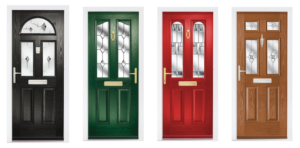
composite-door-lock-repair0292
composite-door-lock-repair0292
The 12 Worst Types Of Accounts You Follow On Twitter
The Complete Guide to Broken Door Repair: A Step-by-Step Approach
Doors are an important part of any structure, offering security, personal privacy, and visual appeal. Nevertheless, they can face different difficulties, from wear and tear to unintentional damage. A broken door can present a considerable inconvenience and, if not dealt with without delay, may result in more structural concerns or security dangers. This useful article will check out common types of door damage, the tools and methods required for repairs, and suggestions for effective restoration.

Typical Types of Door Damage
Comprehending the nature of the damage is the initial step in resolving a broken door. Here are some typical types of door damage that homeowners and property managers might encounter:
-
Hinges and Hardware Issues
- Loose, rusted, or damaged hinges can cause doors to sag, making them challenging to open or close.
- Misaligned strike plates can prevent the lock from engaging.
-
Surface area Damages
- Scratches, dents, or chips in the surface finish can mar the look of a door.
- Rot or water damage frequently occurs on wooden doors left exposed to moisture without correct sealing.
-
Frame Damage
- Damaged door frames can result in gaps and misalignment, which can jeopardize security.
- Termite damage can compromise structural stability, necessitating repairs or replacements.
-
Lock and Latch Malfunctions
- Broken locks or latches can create security vulnerabilities.
- Worn-out secrets or malfunctioning door manages can restrain normal operation.
Tools and Materials Needed for Door Repair
A successful door repair project needs the right tools and materials. Below is a list of important products that can assist facilitate the repair process:
Basic Tools
- Screwdrivers: Both flathead and Phillips for eliminating and tightening screws.
- Hammer: For lining up hinges or driving in nails.
- Drill: For creating holes for screws or anchors.
- Sculpt: Useful for adjusting door frames or lock cuts.
- Level: To ensure correct positioning when re-installing the door.
Materials
- Wood Putty: For filling in scratches or dents on a wood door.
- Wood Glue: To repair broken wood joints.
- Sandpaper: Helps in smoothing surface areas before painting or completing.
- Paint or Stain: Used to bring back appearance after repairs.
- Replacement Hardware: Includes brand-new hinges, locks, or latches when repairs are required.
Steps to Repair a Broken Door
Fixing a door needs cautious assessment and systematic execution. Here is a detailed guide on how to repair different types of door damage:
1. Examine the Damage
Take an extensive take a look at the door to determine areas that need repair. Determine whether the damage is cosmetic (scratches, surface damages) or structural (frame concerns, hardware damage).
2. Tighten Up or Replace Hardware
- Line up Hinges: If the door is drooping, check and tighten the hinges. Using a level, adjust until the door hangs uniformly.
- Change Hardware: If hinges or locks are rusted or damaged, remove and replace them.
3. Repair Surface Damage
For small scratches and damages:
- Use wood putty to complete deep scratches or holes.
- Allow the putty to dry, then sand it smooth with fine sandpaper.
- Apply paint or stain to match the rest of the door.
4. Fix Door Frames
If the door frame is damaged:
- Use a sculpt to eliminate rotten or damaged parts.
- Replace with brand-new wood, ensuring it is safely secured.
- Repaint or stain the frame to restore its appearance.
5. Address Lock or Latch Issues
For issues with locks or locks:
- Check for misalignment and tighten up any screws.
- If locks are broken, eliminate them and replace with brand-new locks, guaranteeing correct installation for security.
6. Test the Door
After repairs, test the door to ensure it opens, closes, and locks properly. Adjust hinges or hardware as needed.
Preventive Maintenance Tips
To reduce future door damage, think about the following preventive steps:
- Regular Inspections: Periodically examine the hinges, locks, and frame for signs of wear.
- Weatherproofing: Seal doors to secure against moisture, particularly if they are exterior doors.
- Appropriate Use: Educate all users about appropriate door managing to avoid unnecessary stress on hinges and locks.
Frequently Asked Questions about Broken Door Repairs
Q: How much does it typically cost to repair a broken door?A: The expense can vary significantly based upon the kind of damage. Minor repairs may cost ₤ 50 to ₤ 100, while extensive repairs or replacements could vary from ₤ 200 to ₤ 500 or more. Q: When must I consider replacing a door instead of fixing it?A: If the door is significantly damaged (e.g., extensive rot, broken frame)or if it
‘s causing security concerns, replacement might be more cost-effective and more secure in the long run. Q: Can I repair a broken door myself?A: Yes, many door repairs can be done by house owners with basic tools and some DIY knowledge. Nevertheless, for substantial damage or complex issues
, hiring a professional might be advisable. Q: What are some common signs that my composite door Refurbishment Services – https://maids-station.com, requires repair?A: Common indications consist of problem opening or closing, spaces in between the door and the frame,
visible damage on the surface area, or issues with locks and locks. In conclusion, fixing a broken door might appear intimidating in the beginning, however with the right understanding, tools, and techniques, it can be a manageable task.
By comprehending the kinds of damage, following systematic repair actions, and taking preventive procedures, homeowners can protect their doors’performance and visual appeal for several years to come.