

buydrivinglicense6952
buydrivinglicense6952
The One Driving Licence Uk Mistake That Every Newbie Makes
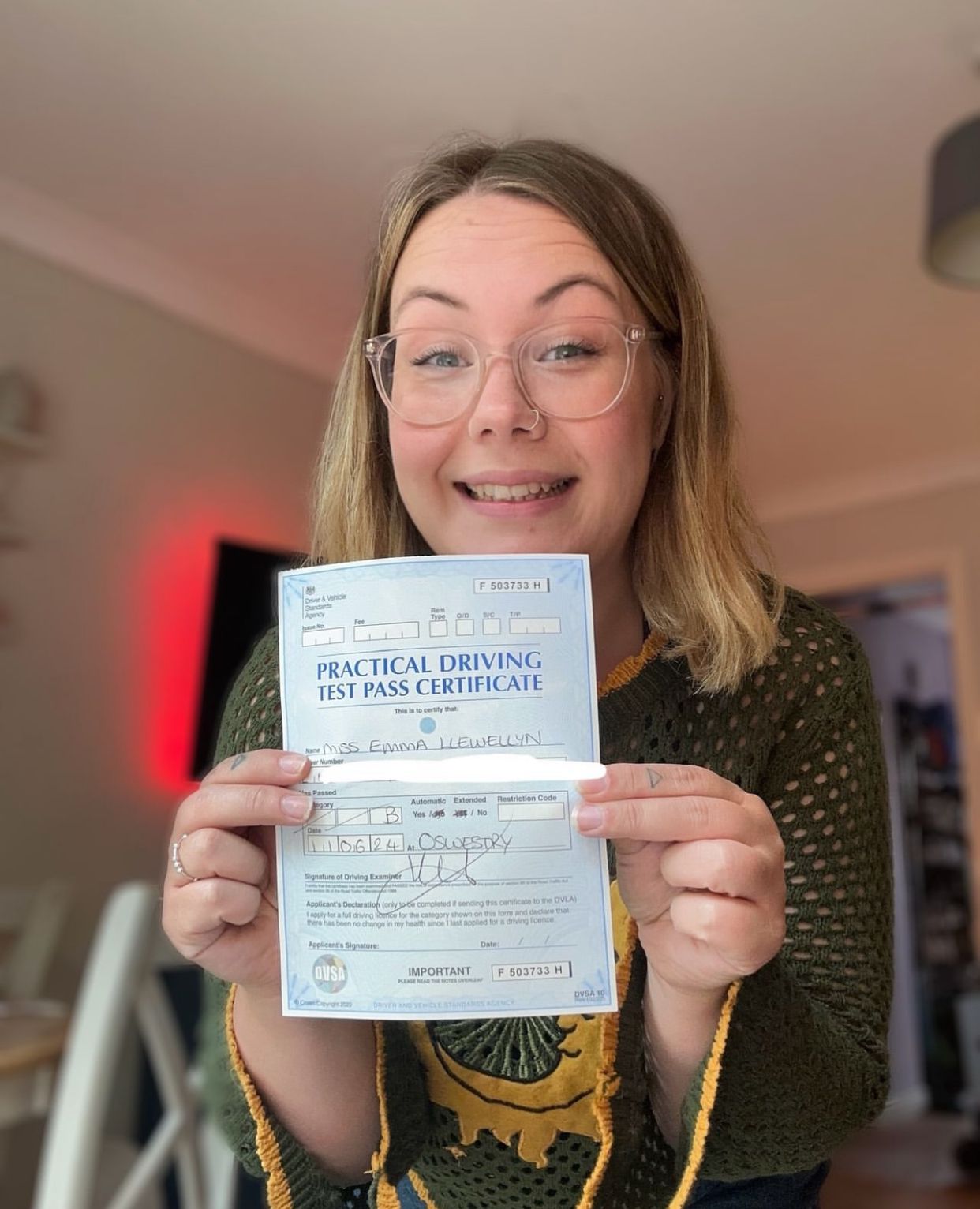
Understanding the Driving Licence in the UK: A Comprehensive Guide
The driving licence is a vital file required for those wanting to operate a motor lorry in the United Kingdom. The procedure of getting a driving licence can often seem frustrating, filled with policies and differing processes across various categories of licences. This short article delves into the UK driving licence system, its types, the process of obtaining one, and regularly asked concerns.
Types of UK Driving Licences
The UK has numerous types of driving licences, each tailored for different classifications of cars. Comprehending these various licence types is vital for prospective drivers. Here’s a breakdown of the significant classifications:
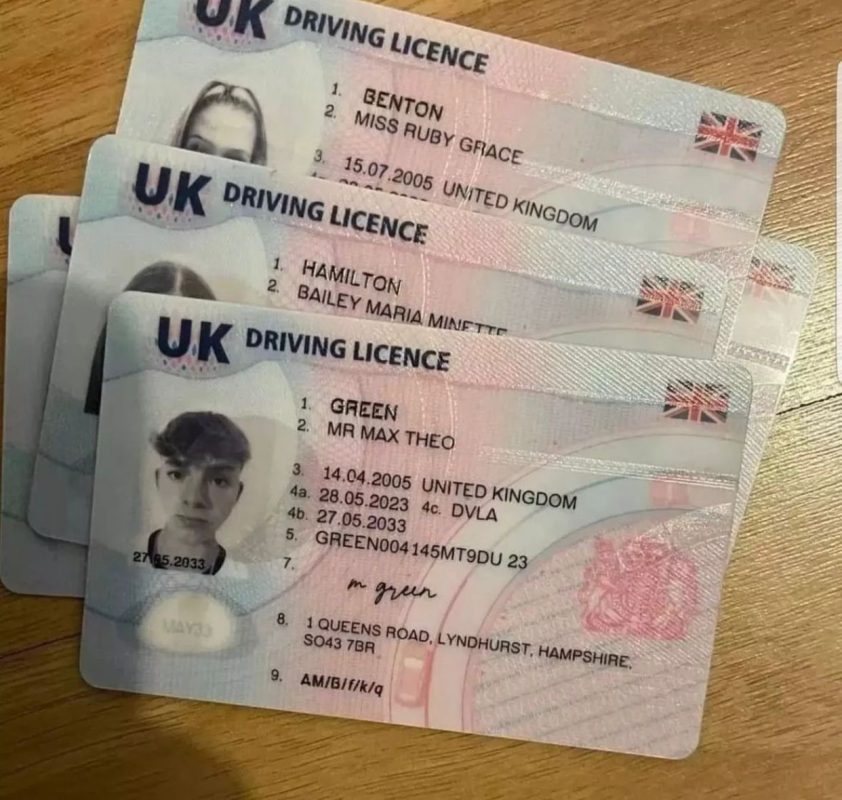
-
Provisional Licence:
- This is the very first step to obtaining a full driving licence. It permits people to drive a vehicle on UK roads under particular conditions, usually while accompanied by a qualified driver.
- Eligibility: Must be at least 17 years old (or 16 for mopeds).
-
Full Driving Licence:
- After passing the driving test, individuals are granted a complete driving licence. This permits them to drive unaccompanied.
- Categories of full driving licence consist of:
- Category B: Cars and light vans.
- Classification A: Motorcycles.
- Classification C: Large lorries, like lorries.
-
Unique Licences:
- For expert drivers and specific types of vehicles:
- HGV Licence: For driving heavy products automobiles.
- PCV Licence: For passenger-carrying cars like buses and coaches.
- For expert drivers and specific types of vehicles:
-
Young Driver’s Licence:
- Special provisions might apply to drivers under 25, consisting of higher insurance coverage costs and limitations in some areas.
The Process of Obtaining a Driving Licence
The journey towards obtaining a driving licence in the UK involves several essential actions. Each stage is developed to make sure that the applicant is well-prepared to run a vehicle securely. Here are the stages broken down into an easy-to-follow procedure:
Step 1: Obtain a Provisional Licence
- Eligibility: Application can be made online or by means of postal services if the applicant is at least 17 years of age.
- Documents Needed:
- Proof of identity (passport, etc)
- National Insurance number.
Step 2: Learn to Drive
- Driving Lessons: It is advisable to take lessons from a qualified trainer.
- Theory Test Preparation: Candidates must study for the theory test, which examines knowledge of roadway indications, rules, and safe driving practices.
Action 3: Pass the Theory Test
- Components: The theory test consists of multiple-choice concerns and a danger understanding test.
- Passing Requirements: Candidates should score above the required limit on both areas to advance to the practical driving test.
Step 4: Pass the Practical Driving Test
- Booking the Test: Once positive with driving, individuals can schedule their dry run.
- Test Components: The dry run assesses driving skills, manoeuvres, and decision-making capabilities.
Step 5: Receive Full Driving Licence
- After successful completion of both the theory and dry runs, applicants get their complete driving licence.
Renewing and Updating Your Licence
Driving licences in the UK do have an expiry date. Typically, a complete driving licence needs to be renewed every 10 years, and a provisional licence every 10 years or upon reaching a specific age, depending on the classification of the licence.
Secret Points for Renewal:
- Ensure upgraded individual info is sent.
- Pay a renewal charge (applicable sometimes).
- Depending upon age, a medical evaluation may be needed.
Common FAQ about Driving Licences in the UK
1. How do I check if my provisional driving licence stands?
- You can examine your licence status on the official federal government site by entering your information.
2. What happens if I lose my driving licence?
- If you lose your licence, you should obtain a replacement through the DVLA. This procedure can be done online.
3. Can I drive with an ended licence?
- No, it is prohibited to drive with an expired licence. You need to renew your licence before driving.
4. What are the charges for driving without a valid licence?
- Driving without a legitimate licence can result in fines, points on your licence, and possibly more serious legal repercussions.
5. Can I drive in other nations with my UK driving licence?
- In numerous locations, a UK driving licence is recognized; however, some countries might need an International Driving Permit (IDP) in addition to your uk licence (related resource site).
6. Can I take the useful test in another language?
- Yes, the driving test can be conducted in various languages through the usage of an interpreter. It is advisable to inspect availability and guidelines ahead of time.
Browsing the complexities of obtaining a driving licence in the UK is important for anybody wanting to operate a car lawfully and safely. From comprehending the various types of licences to following the structured process to get a licence, being notified substantially contributes to effective driving experiences. By informing oneself through resources offered, including official federal government web pages, drivers can ensure they are well-prepared for the roads ahead. Understanding the guidelines and obligations associated with driving is not just essential for individual safety but also contributes to the total safety of road users.