

bunk-beds-uk7145
bunk-beds-uk7145
10 Things You Learned In Kindergarden That Will Help You Get Bunk Bed For Kids
The Ultimate Guide to Bunk Beds for Kids: Safety, Styles, and Solutions
Bunk beds have actually long been a popular choice among parents looking for to optimize space in their children’s bed rooms. With advantages that go beyond their compact design, bunk beds provide an enjoyable and practical sleeping arrangement while motivating sibling bonding and fostering creativity. In this thorough guide, we check out different elements of bunk beds for kids, consisting of security considerations, different designs available, and recommendations for picking the ideal one for your household.
Why Choose Bunk Beds?
Bunk beds are developed to stack one bed on top of another, making use of vertical space to produce more space for play and storage. They are especially advantageous for families with several children or restricted bedroom space. Furthermore, they provide a daring sleeping environment that kids often enjoy.
Key Advantages of Bunk Beds:
- Space-saving style: Ideal for little spaces or shared spaces.
- Cost-effective: Often more budget-friendly than purchasing 2 separate beds.
- Motivates social interaction: Promotes bonding amongst siblings or friends.
- Versatile choices: Available in numerous designs and setups to suit any space style.
Security First: Essential Considerations
When selecting a bunk bed for kids, safety must be the leading concern. The following features are vital for ensuring a safe sleeping environment:
Important Safety Features:
- Sturdy Construction: Ensure that the bed frame is made of long lasting products such as solid wood or metal.
- Guardrails: Bunk beds should have guardrails on both sides of the upper bunk to avoid falls.
- Ladder Safety: A strong, integrated ladder or stairs with anti-slip rungs is necessary for safe access to the top bunk.
- Weight Limit: Check the maker’s weight limit capability for both the leading and bottom bunk.
- Mattress Size: Use the proper bed mattress size as specified by the bed maker to make sure a snug fit within the bed frame.
Safety Tips for Parents:
- Monitor Sleep Habits: Teach kids the importance of not playing on or leaping off the bunk beds.
- Age Appropriateness: Generally, the upper bunk is appropriate for kids aged 6 and older.
- Regular Inspections: Periodically look for any loose bolts, screws, or structural damage.
Styles of Bunk Beds
Bunk beds are available in a range of designs, permitting moms and dads to select one that matches their child’s room design while conference specific requirements. Below are some popular styles:
Popular Bunk Bed Styles:
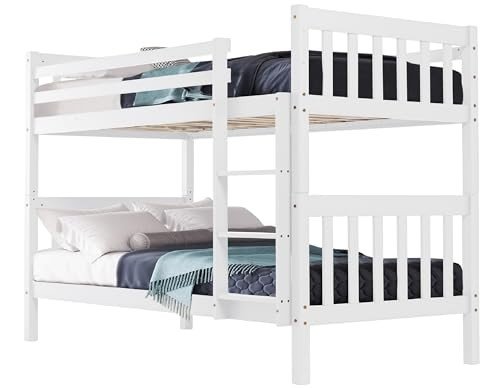
- Traditional Bunk Beds: Simple and traditional styles made of wood or metal without any extra features.
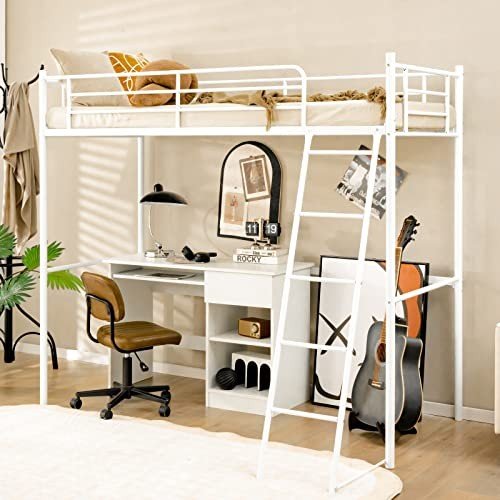
- Loft Beds: Features a raised leading bunk with space underneath for a desk, play area, or additional storage.
- L-Shaped Bunk Beds: Arranged in an L-shape, typically ideal for corner spaces and can have extra storage choices.
- Twin over Full Bunk Beds: A twin bed on leading and a bigger full-sized bed on the bottom, accommodating children or teens of different ages.
- Triple Bunk Beds: Designed to fit 3 beds in a single footprint, suitable for larger households or pajama parties.
A Comparison of Bunk Bed Styles
| Bunk Bed Style | Description | Best For |
|---|---|---|
| Traditional | Classic design with two stacked beds | Requirement bedroom setups |
| Loft Bed | Raised bed with usable space below | Research or play areas |
| L-Shaped | Bunk beds set up in an L-shape | Corner areas |
| Twin over Full | Twin bed on top, full bed listed below | Various age siblings |
| Triple Bunk | Three stacked beds | Big households or sleepovers |
Choosing the Right Bunk Bed
When searching for the perfect bunk bed, consider the list below aspects to guarantee you make an informed choice:
Key Factors to Consider:
- Room Size: Measure the room dimensions to figure out the suitable size and height of the bunk bed.
- Child’s Age: Consider the age of your kid(ren) when choosing a style and security functions.
- Functionality: Think about just how much storage or play space you need and whether the bunk bed ought to serve extra purposes.
- Budget plan: Set a spending plan that consists of not just the bunk bed however likewise the required bed mattress and devices like bed linen or safety gates.
FAQs About Bunk Beds for Kids
1. What age is appropriate for a child to sleep in the leading bunk?
Usually, children aged 6 and older should have the ability to securely sleep in the top bunk, though you ought to always consider your child’s maturity level.
2. Are bunk beds safe for toddlers?
It is not advisable for toddlers or extremely children to sleep in the leading bunk due to the danger of falling.
3. How do I maintain the bunk bed?
Check the bed frequently for any indications of wear and tear, tightening screws, and cleaning up the bed mattress to guarantee prolonged safety and toughness.
4. Can I transform a bunk bed into two different beds?
Numerous bunk beds are created to be convertible, permitting you to separate the beds when required. Check the producer’s requirements before buying.
5. How can I make the most of space in a bunk bed room?
Use under-bed drawers, shelves, or lofted designs to create additional storage solutions in a room with a bunk bed.
Bunk beds offer a delightful mix of fun, functionality, and space-saving utility, making them a best option for young families. By considering safety functions, various designs, and practical factors such as space size and age suitability, parents can pick the best bunk bed for their kid’s requirements. With the right choice, bunk beds can transform a bed room into a magical space that encourages play, creativity, and bonding among siblings. Always remember to prioritize security and maintenance to take advantage of this unique sleeping plan.