

best-robotic-vacuum-cleaner0393
best-robotic-vacuum-cleaner0393
What’s The Current Job Market For Autonomous Vacuum Professionals Like?
The Rise of the Robots: Exploring the World of Autonomous Vacuum Cleaners
In today’s hectic world, convenience and efficiency are more extremely valued than ever. As technology continues to permeate every element of our lives, family chores are no exception. One such location that has actually seen an exceptional change is floor cleaning, thanks to the advent of autonomous vacuum cleaners, often referred to as robot vacuums or robovacs. These smart devices are no longer a futuristic fantasy however an easily offered truth, revolutionizing the method we maintain clean homes.
Autonomous vacuum are designed to navigate and clean floors without direct human control. They represent a significant leap from traditional vacuum cleaners, providing a hands-free technique to a generally tedious and lengthy job. Their appeal has risen over the last few years as people discover the undeniable benefits they bring to modern-day households. From hectic professionals to households with young kids and pet owners, the appeal of having a robot diligently cleaning floors while you focus on more pressing matters is undeniable.
This article looks into the remarkable world of autonomous vacuum cleaners, exploring how they work, their benefits, the various types offered, and what to think about when choosing one for your home. We will also discuss upkeep and the amazing future that lies ahead for this quickly evolving innovation.
How Autonomous Vacuum Cleaners Work: A Symphony of Sensors and Software
The magic of autonomous vacuum depends on their sophisticated combination of sensors, software, and mechanical components. These devices are even more than just mini vacuum cleaners that walk around randomly. They are engineered to wisely browse your home, tidy effectively, and go back to their charging stations autonomously.
Here’s a breakdown of the essential innovations that enable their performance:
-
Sensors: A wide variety of sensing units are the eyes and ears of a robot vacuum cleaner. These sensors are vital for navigation, obstacle avoidance, and efficient cleaning:
- Bump Sensors: These are physical sensing units around the boundary of the robot that identify collisions with walls, furnishings, and other barriers. Upon contact, the robot modifications instructions, avoiding damage to both the device and your home.
- Cliff Sensors: Located on the underside, these sensing units identify drops and prevent the robot from dropping stairs or ledges. They make use of infrared technology to sense an unexpected modification in height.
- Wall Sensors: These sensors allow the robot to follow walls carefully, making sure edge cleaning and meticulous coverage along borders.
- Optical Sensors (and/or Gyroscopes): More innovative designs use optical sensors and gyroscopes to track motion and orientation. This helps in producing internal maps and ensuring organized cleaning patterns rather than random bouncing.
- Camera-Based Navigation: Some high-end robotics use video cameras to “see” their environments, creating comprehensive maps of your home. This visual information, combined with algorithms, enables more effective and accurate navigation.
-
Navigation and Mapping: Autonomous vacuum cleaners utilize various navigation techniques, ranging from simpler random bounce patterns to sophisticated mapping systems:
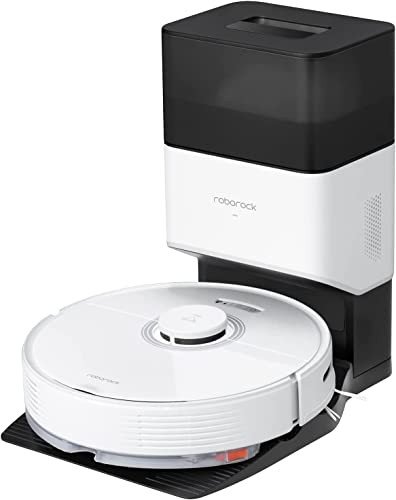
- Random or Bouncing Navigation: Entry-level designs typically use a simpler method, relocating a reasonably random pattern and altering instructions when they encounter obstacles. While less efficient, they can still cover an area effectively in time.
- Organized Navigation: More innovative robotics utilize systematic cleaning patterns, such as back-and-forth lines, spirals, or room-by-room cleaning. This ensures more comprehensive coverage and minimizes redundancy.
- Mapping and Path Planning: Sophisticated designs make use of SLAM (Simultaneous Localization and Mapping) or similar innovations to create and keep in mind a map of your home. This allows them to plan effective cleaning paths, tidy specific rooms, and avoid locations designated as no-go zones. Users can frequently communicate with these maps via smart device apps.
-
Cleaning Mechanisms: Just like standard vacuum cleaners, robot vacuums use brushes and suction to pick up dirt and debris.
- Turning Brushes: Typically, they include several rotating brushes below to loosen up dirt and sweep it towards the suction nozzle. Some models likewise consist of side brushes to successfully tidy edges and corners.
- Suction Power: The suction power differs in between models. Greater suction power usually relates to much better efficiency, particularly on carpets and for pet hair.
- Dustbins: Collected dirt is kept in an onboard dustbin. The capacity of these bins differs, and they need to be cleared regularly. Some more recent designs offer self-emptying dustbins that link to a larger base station, significantly lowering manual intervention.
-
Charging and Battery Life: Autonomous vacuum are battery-powered and featured charging docks.
- Automatic Docking: When the battery is low or cleaning is complete (depending on the programmed settings), the robot instantly goes back to its charging dock to charge.
- Battery Life: Battery life differs substantially depending on the design and cleaning mode. Some can run for over two hours on a single charge, enough for cleaning bigger homes.
The Myriad Benefits of Embracing Robotic Cleaning
The benefits of including an autonomous vacuum cleaner into your home routine abound. They provide an engaging mix of benefit, effectiveness, and improved home health:
- Time Savings: The most substantial advantage is time savings. You can maximize important time that would otherwise be invested vacuuming, enabling you to focus on more pleasurable or productive activities. Merely schedule cleaning times or start a cleaning cycle from another location.
- Consistent Cleanliness: Robot vacuums can be configured to clean day-to-day or numerous times a week, ensuring regularly tidy floorings and decreasing the accumulation of dust and irritants.
- Uncomplicated Cleaning: Say bye-bye to the physical effort of pushing and pulling a standard vacuum cleaner. Autonomous vacuums handle the job separately, making cleaning effortless, specifically for individuals with mobility concerns.
- Access to Hard-to-Reach Areas: Their low profile allows them to clean up under furniture, beds, and other tight areas that are often hard to reach with upright or canister vacuums.
- Pet Hair Management: Many robot vacuums are specifically developed to handle pet hair effectively, a benefit for pet owners dealing with shedding.
- Improved Air Quality: By frequently getting rid of dust and irritants from floorings, robot vacuums can contribute to improved indoor air quality, which is particularly useful for people with allergies or respiratory level of sensitivities.
- Smart Home Integration: Many contemporary designs can be integrated with smart home ecosystems, enabling voice control and remote operation through mobile phone apps.
Browsing the Landscape: Types of Autonomous Vacuum Cleaners
The marketplace for autonomous vacuum varies, using a variety of models with varying features and price points. Understanding the different types can assist you make a notified choice:
-
Basic Models (Random Navigation): These are entry-level, budget-friendly designs that typically utilize random navigation. They work for smaller areas and basic cleaning requirements but might be less effective and methodical.
-
Mid-Range Models (Systematic Navigation & & Basic Mapping): These models frequently include systematic cleaning patterns and standard mapping abilities, providing more efficient and extensive cleaning than standard models. They may consist of functions like room-by-room cleaning or virtual walls.
-
High-End Models (Advanced Mapping & & Smart Features): These are state-of-the-art designs geared up with sophisticated mapping technologies, smart functions, and robust performance. They often use features like:
- Camera-based navigation and exact mapping
- Selective space cleaning and zone cleaning
- No-go zones and virtual limits
- Smart device app control and scheduling
- Voice control combination
- Self-emptying dustbins
-
Specialized Models: Some models are developed for particular requirements:
- Pet-Specific Models: Optimized for choosing up pet hair with specialized brushes and filters.
- Mop and Vacuum Combos: These hybrid gadgets can both vacuum and mop hard floors in a single cleaning cycle.
- Ultra-Thin Models: Designed to fit under even lower furniture clearances.
Picking the Right Robot: Key Considerations
Selecting the ideal autonomous vacuum involves considering several factors to ensure it aligns with your requirements and home environment. Here are some crucial points to contemplate:
- Floor Type: Consider the kind of floor covering in your house. Some robots perform much better on tough floorings, while others are enhanced for carpets. If you have a mix of flooring, try to find designs that can deal with transitions effortlessly and adjust suction power accordingly.
- Home Size and Layout: For bigger homes, focus on models with longer battery life and effective navigation systems. For complex layouts with multiple rooms, mapping abilities and room-by-room cleaning end up being more vital.
- Budget plan: Robot vacuum cleaners vary substantially in price. Identify your spending plan and determine the features that are crucial to you within that variety.
- Pet Ownership: If you have pets, specifically think about models designed for pet hair elimination with strong suction, tangle-free brushes, and efficient purification systems.
- Smart Features: Evaluate if smart features like smartphone app control, scheduling, voice control, and mapping performances are essential to you.
- Dustbin Capacity and Maintenance: Consider the dustbin size and how frequently it will need clearing. If you choose minimal maintenance, look into self-emptying designs.
- Sound Level: Robot vacuum do produce sound. Inspect the noise level specs if sound sensitivity is a concern.
Preserving Your Robotic Assistant: Ensuring Longevity
Like any home appliance, appropriate upkeep is vital for guaranteeing the durability and ideal efficiency of your autonomous vacuum. Routine upkeep jobs consist of:
- Emptying the Dustbin: Empty the dustbin regularly, preferably after each cleaning cycle, to keep ideal suction and prevent clogging.
- Cleaning Brushes and Filters: Remove and clean up the brushes, rollers, and filters regularly. Hair, particles, and dust can build up and hinder efficiency.
- Inspecting Sensors: Keep sensors tidy from dust and particles to ensure accurate navigation and barrier detection.
- Replacing Parts When Necessary: Brushes and filters are wear-and-tear parts that will require replacement in time. Follow the producer’s recommendations for replacement intervals.
- Software Updates (if suitable): Some smart models receive software application updates to improve performance and add new features. Keep the software application updated as advised by the manufacturer.
The Future is Autonomous: What Lies Ahead
The technology behind autonomous vacuum cleaners is constantly evolving, guaranteeing much more smart and capable devices in the future. We can expect to see improvements in areas like:
- Enhanced AI and Navigation: More sophisticated AI and navigation algorithms will result in much more efficient and precise cleaning, obstacle avoidance, and personalized cleaning experiences.
- Improved Object Recognition: Robots will end up being better at acknowledging and avoiding specific things like shoes, cables, and pet accidents, further improving safety and efficiency.
- Integrated Home Cleaning Systems: We may see more integration with other smart home gadgets and systems, producing really smooth and automated home cleaning solutions.
- More Affordable Advanced Features: As technology grows, advanced features like mapping and self-emptying dustbins will likely end up being more economical and available in a larger series of designs.
Conclusion: Embracing a Cleaner, Easier Future
Autonomous vacuum cleaners are more than just a stylish device; they are a valuable tool that can considerably boost your lifestyle by simplifying family chores and maximizing your time. By understanding how they work, their benefits, and the aspects to think about when picking one, you can make an informed choice and embrace the benefit and tidiness they give your home. As technology continues to advance, the future of autonomous cleaning looks brighter than ever, assuring even smarter and more efficient robots to keep our homes spotless with minimal effort.
Frequently Asked Questions (FAQs) about Autonomous Vacuum Cleaners
Q: Are autonomous vacuum cleaners truly reliable?A: Yes, they work at maintaining everyday tidiness and getting dust, pet hair, and debris from floorings. While they might not replace deep cleaning totally, they significantly decrease the frequency and effort needed for manual vacuuming.
Q: Can autonomous vacuum handle carpets?A: Many models are developed to manage carpets, but efficiency differs. Look for designs with excellent suction power and functions like carpet increase mode for better carpet cleaning.
Q: Will a robot vacuum damage furniture or walls?A: Most robot vacuum cleaners have bump sensors to identify challenges and alter direction, decreasing the threat of damage. However, it’s constantly advisable to clear delicate products and wires from the floor before cleaning.
Q: How long do robot vacuum last?A: The life-span of a robot vacuum depends on usage, maintenance, and model quality. With proper care, they can last for a number of years. Battery life will deteriorate in time and might need replacement.
Q: Are robot vacuum loud?A: They are usually quieter than conventional vacuum cleaners, however they do produce sound. Sound levels differ between models, and some deal quieter operating modes.
Q: Do I need Wi-Fi for a robot vacuum cleaner?A: Wi-Fi is just needed for smart features like app control, scheduling, and voice integration. Standard models operate without Wi-Fi.
Q: Can robot vacuum climb stairs?A: No, basic robot vacuum can not climb up stairs. Cliff sensing units avoid them from falling down stairs, however they are designed for single-level cleaning. For multi-level homes, you may need a robot vacuum for each level or manually move one in between floors.
Q: How much do autonomous vacuum cleaners cost?A: Prices vary widely, varying from under ₤ 200 for basic designs to over ₤ 1000 for high-end models with sophisticated functions. The price normally reflects the features, efficiency, and brand name.