best-crib2385
best-crib2385
Cot Newborn Tips From The Best In The Industry
Cot for Newborns: A Comprehensive Guide
Selecting the right sleeping arrangements for a newborn is one of the most substantial decisions parents face. Among the essentials for new parents is a cot, which acts as a safe, comfy sleeping space for the baby. This post will check out the numerous types of cots offered, crucial safety considerations, suggestions for picking the right one, and maintenance standards to make sure resilience and safety.
Types of Cots for Newborns
When it pertains to cots, there are numerous choices in the market. Each type has its special features and advantages. Below is a table summarizing the different kinds of cots offered for newborns.
| Type of Cot | Description | Pros | Cons |
|---|---|---|---|
| Requirement Cot | A classic crib with repaired sides. | Durable and resilient; great for long-term usage. | Can be large; might not fit in smaller sized areas. |
| Cradle | A little, rocking cot created for infants. | Portable and soothing for babies. | Restricted usage as baby grows; less stable. |
| Moses Basket | A lightweight basket with deals with. | Highly portable; relaxing for babies. | Shorter life expectancy; typically not appropriate for older children. |
| Travel Cot | A collapsible cot suitable for travel and momentary use. | Easy to transport; typically simple to set up. | May lack durability; not as aesthetically pleasing. |
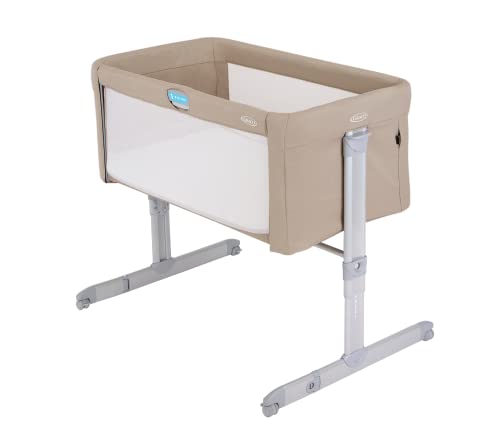
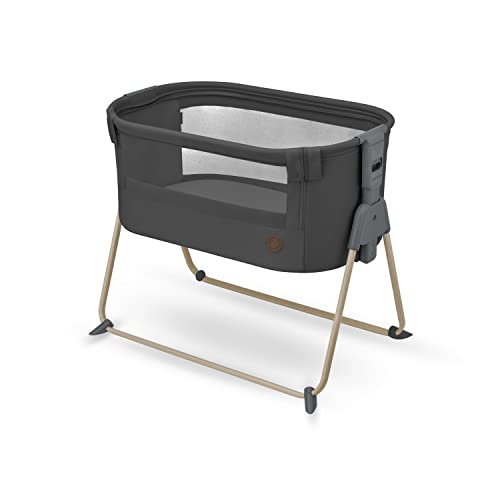
| Co-sleeper Cot | Attaches to the parents’ bed, enabling proximity. | Promotes bonding; breastfeeding convenience. | Minimal space; typically more costly. |
| Convertible Cot | Can transform from a crib to a young child bed. | Adapts with Cheap Baby Cots For Sale‘s growth; long-lasting investment. | Higher preliminary expense; assembly might be required. |
Essential Safety Considerations
When selecting a cot for a newborn, security needs to always be the main concern. Here is a list of vital security requirements and standards to consider.
- Standards Compliance: Ensure the cot meets safety requirements set by regulatory bodies such as the Consumer Product Safety Commission (CPSC) in the U.S. or the European safety standards.
- Slat Spacing: The range in between cot slats need to not surpass 2 3/8 inches (6 cm) to avoid a baby’s head from getting stuck.
- Stability: The cot should be sturdy and steady. Shake the cot before acquiring to ensure it doesn’t wobble.
- Mattress Fit: The bed mattress needs to fit comfortably into the cot, with no spaces bigger than two fingers between the mattress and the cot sides.
- No Hazardous Materials: Check for non-toxic surfaces and products, making sure that the cot is devoid of harmful chemicals.
- Eliminate Clutter: Avoid placing toys, pillows, or blankets inside the cot, as these can present suffocation risks.
Tips for Choosing the Right Cot
Choosing a cot can be a frustrating process due to the myriad of alternatives available. Here are some tips to help streamline this procedure:
- Consider Size: Evaluate the size of your nursery or bedroom. Guarantee the cot fits easily in the designated area.
- Plan for Growth: Think about the longevity of the cot. Convertible cots might provide much better worth by adjusting to a growing kid.
- Spending plan Wisely: Quality cots can range commonly in price. Set a budget plan and stick to it, focusing on safety and functionality initially.
- Research study Brands: Read evaluations and perform research on various brands. Reputable manufacturers ought to provide transparent information about their security practices.
- Comfort: Ensure that the bed mattress is firm and provides adequate assistance. A soft mattress might increase the threat of SIDS (Sudden Infant Death Syndrome).
- Aesthetics Matter: While safety is important, consider how the cot suits the overall decoration plan of the nursery.
Maintenance of the Cot
Making sure the safety and longevity of your newborn’s cot requires continuous upkeep. Here are some useful upkeep tips:
- Regular Inspections: Routinely check the cot for any loose screws or parts. Tighten them as needed to preserve toughness.
- Cleanliness: Wipe down the cot regularly with a moist cloth and moderate soap to eliminate dust and allergens.
- Bed mattress Care: Choose a water resistant cover for the mattress, making it simple to clean spills or mishaps. Routinely change the mattress if it reveals signs of wear and tear.
- Safe Storage: If the cot is adjustable or convertible, shop any removable parts in a safe and secure location, guaranteeing they are not lost and are accessible for future use.
- Kid’s Development: Monitor your child’s growth. Transition to a toddler bed when they start climbing up out of the cot to ensure their safety.
Regularly Asked Questions (FAQs)
1. What is the best type of cot for a newborn?
The very best cot varies depending upon personal needs and space, however a Standard Cot is often advised for its strength and long life-span.
2. The length of time can a newborn use a cot?
Generally, most children shift out of a cot between 2-3 years depending upon height and weight.
3. Is a co-sleeper cot safe?
Yes, co-sleeper cots are designed to be safe, as long as they meet safety standards and are properly established.
4. Should I utilize bumpers in my cot?
It is recommended to prevent utilizing bumpers as they present a suffocation danger. Instead, ensure the cot is clear of any soft bed linen.
5. Can I utilize a pre-owned cot?
If thinking about a second-hand cot, ensure it abides by the latest security requirements and has not surpassed its life expectancy or been remembered.
Picking a cot for a newborn is a vital choice that requires mindful factor to consider of security, space, and performance. By comprehending the types, security functions, and upkeep requirements, moms and dads can with confidence choose a cot that satisfies their household’s requirements. Eventually, the ideal cot will provide a safe and comfy space for your newborn to sleep, contributing to their wellness and advancement during those crucial early years.