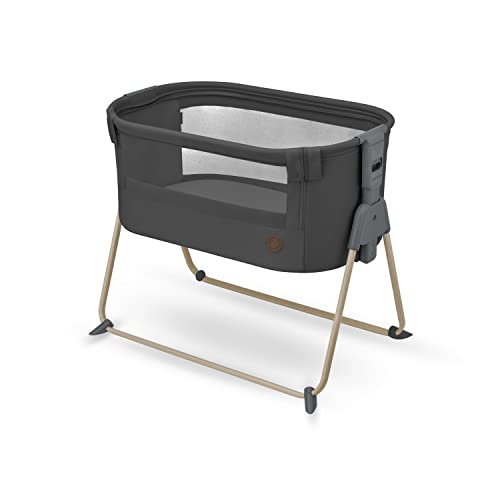
best-cots-uk3258
best-cots-uk3258
How Cot Newborn Has Become The Top Trend In Social Media
Cot for Newborns: A Comprehensive Guide
Selecting the right sleeping arrangements for a newborn is among the most considerable decisions parents face. Among the basics for brand-new parents is a cot, which functions as a safe, comfy sleeping space for the baby. This post will check out the numerous types of cots available, crucial security factors to consider, pointers for picking the right one, and upkeep guidelines to make sure toughness and safety.
Kinds of Cots for Newborns
When it pertains to cots, mini cotbed (http://123.249.110.128:5555/cots4Tots1197) there are numerous alternatives in the market. Each type has its unique features and benefits. Below is a table summarizing the different types of cots readily available for newborns.
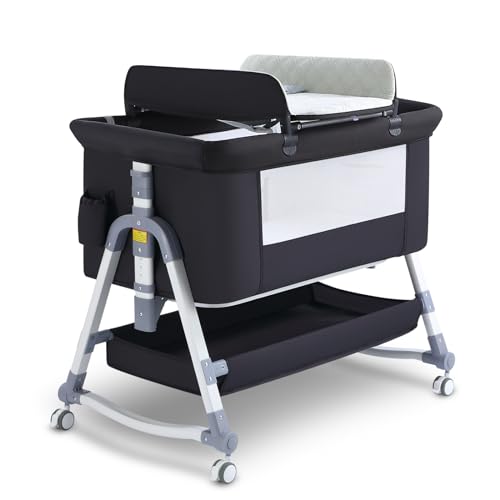
| Type of Cot | Description | Pros | Cons |
|---|---|---|---|
| Standard Cot | A classic crib with fixed sides. | Strong and resilient; great for long-term use. | Can be large; may not fit in smaller spaces. |
| Cradle | A small, rocking cot created for babies. | Portable and calming for infants. | Limited use as baby grows; less steady. |
| Moses Basket | A lightweight basket with handles. | Highly portable; comfortable for newborns. | Much shorter lifespan; generally not ideal for older babies. |
| Travel Cot | A collapsible cot suitable for travel and short-term use. | Easy to carry; generally easy to set up. | May lack sturdiness; not as aesthetically pleasing. |
| Co-sleeper Cot | Connects to the parents’ bed, enabling distance. | Promotes bonding; breastfeeding convenience. | Minimal area; typically more costly. |
| Convertible Cot | Can change from a crib to a toddler bed. | Adapts with baby’s development; long-lasting investment. | Greater preliminary expense; assembly might be needed. |
Crucial Safety Considerations
When picking a cot for a newborn, safety must always be the primary issue. Here is a list of vital safety requirements and standards to consider.
- Standards Compliance: Ensure the cot fulfills security requirements set by regulative bodies such as the Consumer Product Safety Commission (CPSC) in the U.S. or the European safety standards.
- Slat Spacing: The distance between cot slats ought to not surpass 2 3/8 inches (6 cm) to prevent a baby’s head from getting stuck.
- Stability: The cot must be tough and steady. Shake the cot before acquiring to guarantee it doesn’t wobble.
- Bed mattress Fit: The mattress needs to fit comfortably into the cot, with no gaps larger than 2 fingers between the mattress and the cot sides.
- No Hazardous Materials: Check for non-toxic finishes and products, making sure that the cot is devoid of harmful chemicals.
- Remove Clutter: Avoid positioning toys, pillows, or blankets inside the cot, as these can present suffocation dangers.
Tips for Choosing the Right Cot
Choosing a cot can be a frustrating process due to the myriad of alternatives available. Here are some ideas to help streamline this procedure:
- Consider Size: Evaluate the size of your nursery or bed room. Guarantee the cot fits comfortably in the designated location.
- Strategy for Growth: Think about the durability of the cot. Convertible cots might offer much better worth by adjusting to a growing child.
- Budget Wisely: Quality cots can range commonly in price. Set a spending plan and stick to it, focusing on safety and functionality first.
- Research Brands: Read evaluations and perform research study on different brand names. Reputable makers must supply transparent details about their security practices.
- Convenience: Ensure that the bed mattress is firm and offers appropriate assistance. A soft bed mattress may increase the danger of SIDS (Sudden Infant Death Syndrome).
- Aesthetics Matter: While safety is essential, think about how the cot fits into the general decoration scheme of the nursery.
Maintenance of the Cot
Ensuring the security and durability of your newborn’s cot needs ongoing maintenance. Here are some useful upkeep tips:
- Regular Inspections: Routinely examine the cot for any loose screws or parts. Tighten them as required to keep sturdiness.
- Tidiness: Wipe down the cot frequently with a moist cloth and mild soap to eliminate dust and allergens.
- Mattress Care: Choose a water resistant cover for the bed mattress, making it easy to clean spills or mishaps. Regularly replace the mattress if it reveals indications of wear and tear.
- Safe Storage: If the cot is adjustable or convertible, store any detachable parts in a safe and secure place, guaranteeing they are not lost and are available for future usage.
- Child’s Development: Monitor your child’s development. Shift to a toddler bed when they start climbing out of the cot to ensure their security.
Often Asked Questions (FAQs)
1. What is the best type of cot for a newborn?
The best cot differs depending upon personal needs and space, but a Standard Cot is often advised for its sturdiness and long life-span.
2. The length of time can a newborn use a cot?
Normally, many children transition out of a cot in between 2-3 years depending upon height and weight.
3. Is a co-sleeper cot safe?
Yes, co-sleeper cots are created to be safe, as long as they satisfy security requirements and are correctly set up.
4. Should I use bumpers in my cot?
It is suggested to prevent utilizing bumpers as they posture a suffocation threat. Rather, guarantee the cot is clear of any soft bedding.
5. Can I utilize a pre-owned cot?
If thinking about a second-hand cot, guarantee it follows the most recent security requirements and has not exceeded its life expectancy or been recalled.
Picking a cot for a newborn is a critical decision that needs mindful consideration of safety, space, and functionality. By understanding the types, security features, and maintenance requirements, moms and dads can confidently choose a cot that fulfills their family’s requirements. Eventually, the ideal cot will offer a safe and comfy area for your newborn to sleep, adding to their well-being and advancement during those essential early years.