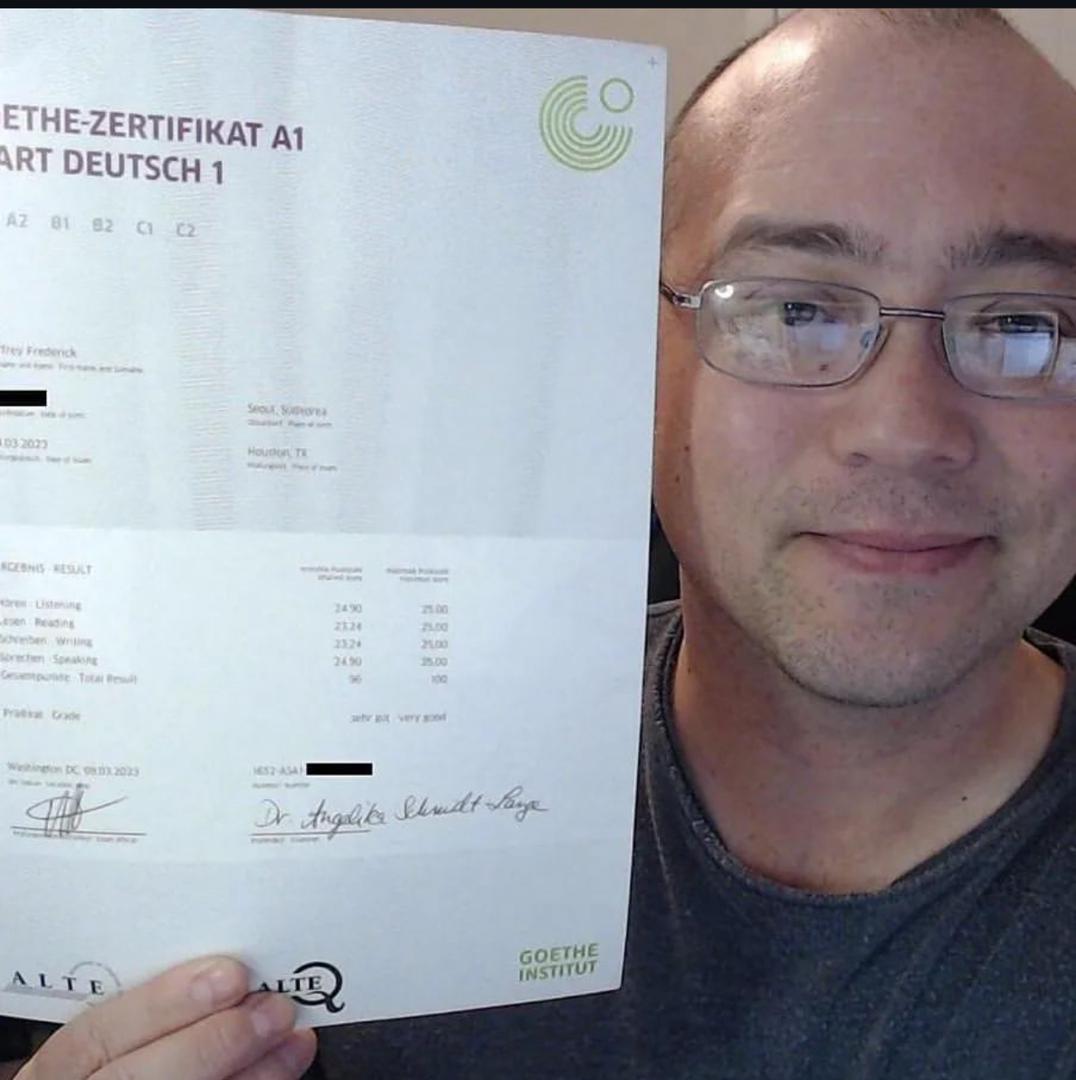
goethe-zertifikate4042
goethe-zertifikate4042
Goethe Certificate’s History History Of Goethe Certificate
The Goethe Certificate: Unlocking German Language Proficiency
In a progressively interconnected world, language efficiency has actually ended up being an important property for individuals seeking to improve their career potential customers, cultural understanding, and travel experiences. For those thinking about discovering German, the Goethe Certificate is a widely recognized credential that demonstrates language efficiency and opens doors to new chances. This short article will dig into the history, structure, and advantages of the Goethe Certificate, along with provide assistance on how to prepare for the exam.
History and Overview
The Goethe Certificate is called after Johann Wolfgang von Goethe, a distinguished German author, thinker, and statesman. The certificate is issued by the Goethe-Institut, a non-profit organization that promotes German language and culture worldwide. Founded in 1951, the Goethe-Institut has actually established a detailed language proficiency framework that evaluates language abilities in reading, writing, listening, and speaking.
Structure and Levels
The Goethe Certificate is divided into six levels, aligning with the Common European Framework of Reference for Languages (CEFR). Each level represents an unique stage of language proficiency, from newbie (A1) to advanced (C2). The levels are:
- A1: Beginner – Basic knowledge of German, ability to interact in daily scenarios.
- A2: Elementary – Understanding of basic expressions, vocabulary, and grammar.
- B1: Intermediate – Ability to interact effectively in everyday scenarios, both in composing and speaking.
- telc b2 zertifikat kaufen: Upper-Intermediate – Understanding of complex texts, conversations, and conversations.
- C1: Advanced – High level of language proficiency, ability to communicate with complete confidence and accurately.
- C2: Proficient – Mastery of the German language, ability to interact complicated concepts and nuances.
Exam Format and Content
The Goethe Certificate exam includes four sections: reading, composing, listening, and speaking. The exam format and material differ depending upon the level, however normally consist of:
- Reading: Comprehension of texts, such as posts, news, and literary excerpts.
- Composing: Writing tasks, such as essays, emails, and narratives.
- Listening: Audio recordings, such as discussions, lectures, and news broadcasts.
- Speaking: Face-to-face conversation with an inspector, assessing pronunciation, vocabulary, and communication skills.
Advantages of the Goethe Certificate
The Goethe Certificate uses numerous advantages for individuals, consisting of:
- Enhanced profession opportunities: Demonstrated language efficiency is a valuable possession in the task market, especially in industries with international connections.
- Cultural understanding: Knowledge of the German language and culture can enhance travel experiences, scholastic pursuits, and personal relationships.
- Research study and work abroad: The Goethe Certificate is often required for research study and work programs in Germany, Austria, and Switzerland.
- Networking chances: The Goethe-Institut has a global network of language students, offering chances for cultural exchange and expert connections.
Preparation and Resources
To get ready for the Goethe Certificate exam, individuals can use a range of resources, consisting of:
- Language courses: The Goethe-Institut offers language courses, either online or in-person, customized to each level.
- Study products: Textbooks, language learning apps, and online resources, such as Deutsch für Euch and DW Learn German.
- Practice examinations: Sample examinations and exercises, offered on the Goethe-Institut site.
Frequently asked questions
- What is the credibility duration of the Goethe Certificate?The Goethe Certificate stands for life, however some institutions might require a more recent certificate.
- Can I take the exam online?No, the exam must be taken in individual at a designated test center.
- For how long does the exam take?The exam period varies depending upon the level, but usually varies from 2 to 4 hours.
- Can I retake the exam if I fail?Yes, you can retake the exam, but you should wait a minimum of 3 months.
- Is the Goethe Certificate acknowledged worldwide?Yes, the Goethe Certificate is commonly acknowledged by educational organizations, companies, and federal government agencies around the world.
Conclusion
The Goethe Certificate is a prominent credential that demonstrates German language efficiency and opens doors to brand-new chances. By understanding the structure, levels, and advantages of the certificate, individuals can take the initial step towards improving their language abilities and cultural understanding. With the right preparation and resources, anyone can accomplish their objective of becoming competent in German and opening the lots of advantages that feature it.
Extra Tips and Recommendations
- Start early: Allow plenty of time to get ready for the exam, specifically if you are a newbie.
- Practice regularly: Regular practice, even if it’s just a couple of minutes a day, is key to improving language skills.
- Immerse yourself in the language: Listen to German music, view German films, and try to talk to native speakers.
- Look for support: Join a language exchange or find a study partner to stay motivated and get feedback on your progress.
By following these suggestions and staying committed, you can achieve your objective of acquiring the Goethe Certificate and opening the numerous advantages that include it.