treadmill-uk4332
treadmill-uk4332
Ten Taboos About Tread Mill You Should Not Share On Twitter
The Treadmill: A Comprehensive Guide to Understanding and Utilizing This Fitness Machine
Treadmills are a staple in gyms and homes alike, serving as a reliable tool for cardiovascular exercise. With their versatility and range of functions, treadmills cater to users of all fitness levels. This short article looks into the ins and outs of treadmills– covering their advantages, types, usage ideas, upkeep, and a lot more.
The Benefits of Using a Treadmill
Utilizing a treadmill can offer many health advantages, making it a popular choice among fitness enthusiasts. Below are some essential benefits:
-
Cardiovascular Health: Regular treadmill usage can enhance heart health by increasing aerobic capacity and cardiovascular endurance.
-
Weight Management: Treadmills make it possible for users to burn calories efficiently, helping in weight loss or management.
-
Convenience: With the capability to work out inside, treadmills eliminate environmental barriers, like weather and time restrictions.
-
Versatility: Users can control speed, slope, and workout duration, allowing them to tailor their workout routine to fit their requirements.
-
Joint Impact: Many modern-day treadmills use cushioning, which can decrease the effect on joints compared to running on hard surface areas.
This comprehensive guide takes a look at the different types of treadmills and what functions to think about when buying one.
Kinds of Treadmills
Selecting the right kind of treadmill depends on specific fitness goals, spending plan, and readily available area. Here are the various ranges:
1. Manual Treadmills
- Meaning: These treadmills run without motors; users power the belt through their motions.
- Advantages: Typically more budget-friendly and energy-efficient.
- Drawbacks: Limited features and less stability compared to motorized options.
2. Motorized Treadmills
- Definition: Equipped with motors to manage belt speed and incline.
- Benefits: Versatile features like predetermined programs and digital display screens.
- Disadvantages: More costly and require electric outlets.
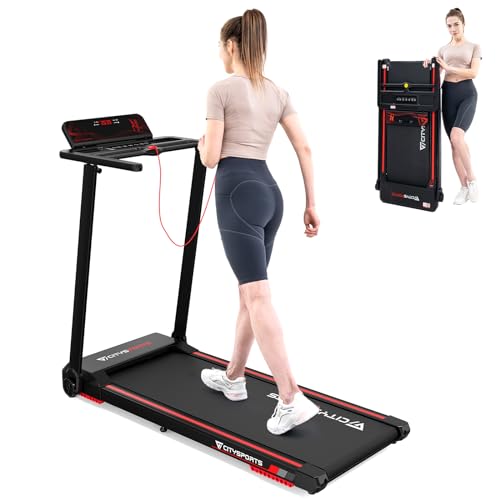
3. Folding Treadmills
- Definition: Treadmills that can be collapsed to save area when not in usage.
- Benefits: Ideal for those with restricted area.
- Disadvantages: May not be as strong, depending on the model.
4. Industrial Treadmills
- Definition: High-quality, sturdy machines designed for regular usage in gyms.
- Advantages: Built to hold up against extensive exercises with features fit for varied training requirements.
- Downsides: Generally more expensive and bigger.
5. Smart Treadmills
- Meaning: Treadmills geared up with wise technology that tracks workouts and supplies virtual training.
- Advantages: Interactive functions enhance the user experience.
- Downsides: Higher costs and possible for technical concerns.
Functions to Consider When Buying a Treadmill
When acquiring a treadmill, it’s crucial to evaluate its features according to individual requirements and budget plan. Vital functions consist of:
-
Motor Power: Measured in horsepower (HP); a motor in between 2.0– 3.0 HP is suitable for most users.
-
Running Surface: The belt size must accommodate your stride. A surface of at least 20″ x 55″ is typically suggested.
-
Incline Options: Look for a treadmill offering numerous incline levels to simulate outside running and boost workout strength.
-
Weight Capacity: Ensure the treadmill can support the user’s weight; most can accommodate weights between 250 pounds and 400 pounds.
-
Cushioning: Good quality cushioning effects walking or running convenience and can assist avoid injuries.
-
Foldability: If area is a problem, think about a treadmill electric (https://posteezy.com/) that can be folded.
-
Technology: Features like heart rate displays, workout programs, and Bluetooth connection can boost the user experience.
Table: Key Features and Considerations
| Feature | Value |
|---|---|
| Motor Power | Important for consistent efficiency and user weight capability. |
| Running Surface | Impacts user convenience and stride length; larger surfaces are better for taller individuals. |
| Incline Options | Enables varied exercises and targets different muscle groups. |
| Weight Capacity | Vital for security and resilience; pick a model that supports your weight. |
| Cushioning | Minimizes joint effect and makes workouts more comfortable. |
| Foldability | Important for users with limited area. |
| Innovation | Boosts exercise experience and can provide valuable tracking information. |
Tips for Effective Treadmill Workouts
To make the most of the advantages of utilizing a treadmill, consider the following suggestions:
-
Warm-Up and Cool-Down: Always start with a 5-10 minute warm-up and finish with a cool-down to prevent injury.
-
Vary Your Workouts: Mix walking, jogging, and running to keep things intriguing and work different muscle groups.
-
Include Incline: Use slope settings to challenge yourself and increase calorie burn.
-
Stay Hydrated: Keep water close-by to stay hydrated during your exercises.
-
Listen to Your Body: Pay attention to any discomfort or tiredness; rest when needed.
Treadmill Maintenance Tips
To make sure longevity and ideal performance of a treadmill, routine maintenance is vital. Key upkeep practices include:
-
Lubrication: Frequently lubricate the running belt for smoother operation.
-
Cleaning: Wipe down the machine after each usage to avoid dust and sweat buildup.
-
Tightening up: Regularly check and tighten loose bolts or screws.
-
Check the Belt Alignment: Ensure the belt is aligned properly, adjusting as required for even use.
Frequently Asked Questions (FAQs)
1. How often should I utilize a treadmill for weight-loss?
Using a treadmill for a minimum of 150 minutes of moderate-intensity aerobic workout per week can add to weight loss.
2. Can I walk on a treadmill every day?
Yes, walking on a treadmill daily can be useful; nevertheless, including rest days is suggested to avoid overuse injuries.
3. What should I wear when using a treadmill?
Select comfy, moisture-wicking clothes and supportive shoes to enhance your exercise experience.
4. Is it better to stroll or operate on a treadmill?
Both walking and running deal special advantages; the very best option depends on your physical fitness level, objectives, and individual preference.
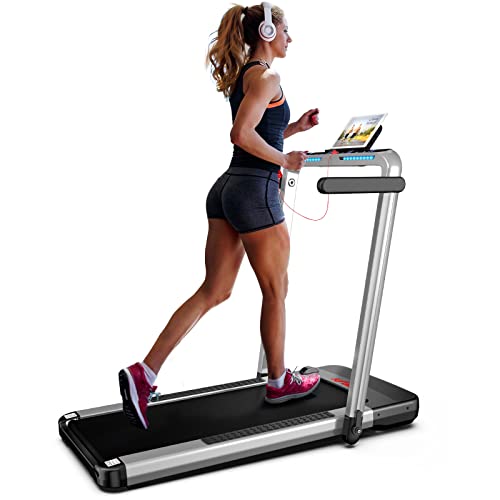
5. Are there specific treadmills created for little areas?
Yes, folding treadmills and compact styles appropriate for little spaces. Constantly inspect measurements before purchasing.
The treadmill stays a versatile and extensively utilized piece of fitness devices. Its mix of convenience, versatility, and effectiveness makes it appropriate for users varying from newbies to experienced athletes. By comprehending the different types and functions, in addition to incorporating varied exercises, users can maximize the benefits of their treadmill regimen. Whether for cardiovascular training, weight loss, or merely keeping an active way of life, treadmills supply a reputable opportunity for achieving physical fitness objectives.