

best-home-treadmills-uk8692
best-home-treadmills-uk8692
Ten Ways To Build Your Gym Treadmill Empire
Treadmills: A Comprehensive Guide to Understanding Their Functionality, Benefits, and Appropriate Selection
Introduction
Treadmills have actually ended up being a staple in modern-day physical fitness regimens, both in homes and fitness centers worldwide. They offer a hassle-free and efficient method to maintain cardiovascular health, increase endurance, and help in weight management. This article checks out the different types of treadmills, their advantages, functions to consider when acquiring, and some FAQs to assist users in making notified choices.
Types of Treadmills
When it concerns selecting a treadmill, it is vital to comprehend the various types readily available in the market. Here are the main categories:
1. Manual Treadmills
- Mechanism: These treadmills have an easy design and depend on the user’s efforts to move the belt.
- Pros: More budget-friendly, quieter operation, no electricity required.
- Cons: Limited features, might not supply the same variety of workout intensity.
2. Motorized Treadmills
- System: Powered by a motor that drives the belt, permitting users to walk or perform at a set speed.
- Pros: Greater range of speeds and inclines, equipped with numerous features such as heart rate screens and exercise programs.
- Cons: More costly and may require more maintenance.
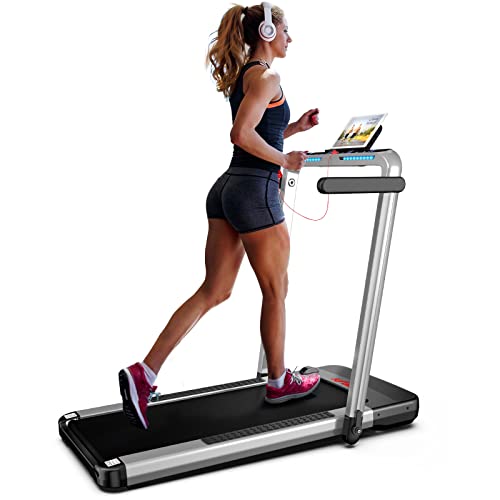
3. Folding Treadmills
- Mechanism: Designed for those with minimal space, these treadmills can be folded for simple storage.
- Pros: Space-saving, frequently motorized, versatile functions.
- Cons: May be less durable than non-folding designs.
4. Industrial Treadmills
- System: High-quality machines designed for usage in gyms and physical fitness centers.
- Pros: Built to endure heavy usage, advanced features, often consist of warranties.
- Cons: Pricey and not perfect for home use due to size.
5. Curved Treadmills
- Mechanism: A special design that enables users to propel the belt utilizing their own energy.
- Pros: Offers a more natural running experience, promotes better running type.
- Cons: More costly and can be noisier.
| Treadmill Type | Pros | Cons |
|---|---|---|
| Manual | Budget-friendly, no electricity required | Limited features |
| Motorized | Variety of speeds, advanced features | Upkeep required |
| Folding | Space-saving, often motorized | May lack sturdiness |
| Commercial | Developed to last, professional-grade functions | Expensive |
| Curved | Natural running experience, promotes great kind | Higher rate |
Advantages of Using Treadmills
Treadmills use numerous benefits that can add to one’s total health and fitness goals. A few of these advantages consist of:
- Convenient Workouts: Treadmills permit users to work out indoors no matter weather condition conditions.
- Cardiovascular Health: Regular use can improve heart health by increasing endurance and promoting healthy blood circulation.
- Weight Management: Effective for burning calories, which aids in weight loss and management.
- Adjustable Workouts: Users can control speed, incline, and period to produce personalized workout experiences.
- Safety: Treadmills provide a predictable surface, lowering the danger of falls compared to outdoor running.
- Multifunctional: Many treadmills included features like heart rate screens, exercise programs, and even entertainment systems.
Picking the Right Treadmill
When selecting a treadmill, prospective buyers ought to think about a number of key factors:
Features to Consider:
- Motor Power: Typically determined in horse power (HP), a motor strength of at least 2.5 HP is suggested for major runners.
- Belt Size: A longer and larger belt accommodates various stride lengths, offering comfort during exercises.
- Slope Settings: Adjustable slope functions mimic outside hill running and can increase exercise strength.
- Weight Capacity: Ensure the electric treadmill for sale can support the user’s weight for security and durability.
- Console Features: Look for user-friendly control panels, workout programs, and Bluetooth compatibility for streaming music or other functions.
Budget Considerations
- Under ₤ 500: Entry-level manual treadmills ideal for casual walkers.
- ₤ 500 – ₤ 1,500: Mid-range motorized treadmills that use more features and better sturdiness.
- ₤ 1,500 – ₤ 3,000: High-end designs with innovative technology, larger motors, and longer service warranties.
- Over ₤ 3,000: Commercial-grade treadmills ideal for regular use in gyms or training facilities.
Regularly Asked Questions (FAQs)
1. How typically should I use a treadmill?
It is suggested to use a treadmill a minimum of 3 to five times a week, integrating different intensity levels for best results.
2. Can I drop weight by using a treadmill?
Yes, consistent use of a treadmill can add to weight loss, especially when combined with a well balanced diet plan and strength training.

3. What is the very best speed to walk on a treadmill for novices?
A speed of 3 to 4 miles per hour is an ideal variety for newbies. It’s important to begin slow and slowly increase speed as convenience and stamina enhance.
4. Do I require to utilize a treadmill if I already run outdoors?
Using a treadmill can offer fringe benefits, such as controlled environments and varied workouts (slope, intervals) that are not always possible outdoors.
5. How do I maintain my treadmill?
Routine upkeep includes lubricating the belt, cleaning the deck and console, and inspecting the motor for optimum efficiency.
Treadmills are necessary tools for those seeking to boost their fitness levels in a controlled and convenient manner. With different types readily available, comprehending their functions and advantages is important for making an informed purchase. By thinking about individual exercise requirements, space accessibility, and budget constraints, people can discover the most ideal treadmill that fits their way of life. Integrating treadmill exercises into a balanced physical fitness routine can result in improved health results and an enjoyable workout experience.