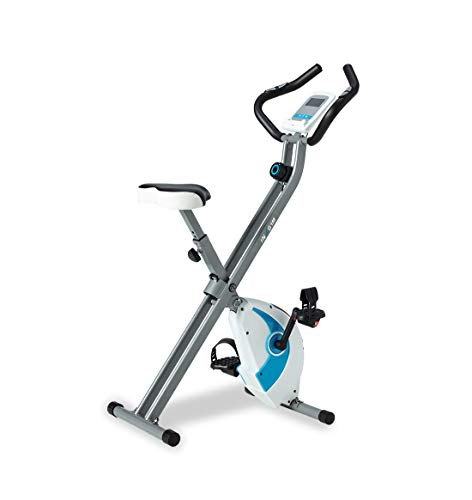
stationary-bike-exercise2863
stationary-bike-exercise2863
How To Create An Awesome Instagram Video About Exercise Bicycle
The Exercise Bicycle: A Comprehensive Guide on Benefits, Types, and Best Practices
Exercise bicycles, often described as stationary bicycles, have surged in popularity in the last few years as a reliable methods of improving cardiovascular health, burning calories, and boosting general fitness. With a range of types readily available, comprehending how to select the ideal one and incorporate it into a fitness regimen is vital for achieving optimum health advantages. This article explores the different types of exercise bicycles, their advantages, and useful tips for effective exercises.
Kinds Of Exercise Bicycles
Exercise bicycles can be broadly classified into three types: upright bikes, recumbent bikes, and spinning bikes. Each type uses special features fit for different fitness levels and preferences.
| Kind Of Exercise Bicycle | Description | Ideal For |
|---|---|---|
| Upright Bike | Simulates the experience of riding a conventional bicycle, with the rider in an upright position. | Beginners and experienced bicyclists alike looking for a full-body workout. |
| Recumbent Bike | Features a reclined seating position, which decreases pressure on the back and offers support for the lower body. | Seniors or people with back concerns or those recuperating from injury. |
| Spinning Bike | Created for high-intensity exercises, usually including a heavier flywheel and adjustable resistance. | Fitness lovers and those interested in high-intensity interval training (HIIT). |
Benefits of Using an Exercise Bicycle
Engaging in routine exercises on an exercise bicycle offers numerous advantages for people of any ages and fitness levels. Here are some key benefits:
-
Cardiovascular Health: Exercise bicycles use an excellent aerobic exercise that can considerably enhance heart health and lung capacity.
-
Low Impact on Joints: Unlike running or other high-impact activities, cycling places very little stress on the joints, making it appropriate for people with joint illness or those recovering from injuries.
-
Convenience: With an exercise bicycle in your home, people can workout at their own benefit without weather condition hindrances or time constraints.
-
Weight Loss: Regular cycling assists burn calories, which can result in weight loss or weight management when combined with a balanced diet plan.
-
Improved Muscle Tone: Cycling targets major muscle groups consisting of the legs, glutes, and core, thus contributing to better muscle tone and strength.
-
Mental Health Benefits: Physical activity, consisting of biking, releases endorphins– natural mood lifters– which can ease signs of stress and anxiety and depression.
Table 1 below summarizes these advantages and indicates their importance based upon various fitness objectives.
| Advantage | Significance Level (1-5) |
|---|---|
| Cardiovascular Health | 5 |
| Low Impact on Joints | 4 |
| Convenience | 5 |
| Weight reduction | 4 |
| Enhanced Muscle Tone | 4 |
| Mental Health Benefits | 5 |
Tips for Effective Workouts
To make the most of the benefits of utilizing an exercise bicycle, consider the following useful tips for efficient workouts:
Setting Up Your Bike
- Adjust the Seat Height: Ensure that your knee is a little bent at the bottom of the pedal stroke.
- Change the Handlebars: Position them to a comfy height that does not strain your back or shoulders.
- Usage Proper Footwear: Wear appropriate shoes that provide great support and minimize slippage.
Developing a Balanced Routine
- Warm-Up and Cool Down: Always start with a 5-10 minute warm-up to prep your muscles and follow with a cool-down session to aid recovery.
- Incorporate Interval Training: Alternate in between high-intensity speeds and moderate pedaling to enhance cardiovascular fitness and burn more calories.
- Monitor Your Heart Rate: Use the bike’s integrated sensors or a heart rate display to maintain an ideal training zone.
Preserving Motivation
- Set Specific Goals: Whether it’s period, distance, or calories burned, having clear objectives can keep you focused.
- Track Your Progress: Utilize fitness apps or journals to log workouts and monitor improvements gradually.
- Diversify Your Workouts: Mix sessions with music, videos, or interactive online classes to keep your routine fresh and satisfying.
Regularly Asked Questions (FAQs)
How typically should I utilize an exercise bicycle?
For ideal health benefits, it is recommended to use an Exercise Equipment For Legs bicycle a minimum of 150 minutes weekly of moderate-intensity aerobic activity or 75 minutes of vigorous activity. This can be spread throughout the week based on personal choices.
Can I drop weight by cycling on an exercise bicycle?
Yes, biking is an effective way to burn calories. To accomplish weight-loss, combine constant cycling with a balanced diet and other types of exercise.
Is cycling safe for elders?
Absolutely. Nevertheless, elders need to pick a recumbent bike to lessen stress on the back and joints, and make sure a proper setup and posture for comfort.
What are some typical errors to prevent while cycling?
- Inappropriate seat height can result in pain and injury.
- Overstraining without appropriate rest can impede progress.
- Ignoring hydration is a common error that can adversely affect efficiency.
Can I view television or check out while biking?
Yes, many individuals find that enjoying TV or reading helps make the exercise more satisfying. Just ensure you keep correct posture on the bike to prevent pressure.
The exercise bicycle is a flexible piece of devices with many advantages, making it a perfect option for individuals looking to enhance their fitness levels easily and securely. By understanding the different types of bikes, embracing their advantages, and following best practices for exercises, anyone can effectively include cycling into their health regimen. As fitness goals develop, the exercise bicycle supplies a reliable means of accomplishing and maintaining wanted outcomes.