fridge-freezers-for-sale-uk1933
fridge-freezers-for-sale-uk1933
3 Reasons You’re Not Getting Fridge UK Isn’t Working (And How To Fix It)
The Comprehensive Guide to Refrigerators in the UK
Refrigerators are an important home appliance in every family, serving an important role in food conservation and safety. The UK market uses a varied series of fridge types, sizes, functions, and brand names. This article intends to supply an extensive understanding of fridges offered in the UK, including their features, energy effectiveness, and factors to think about when purchasing.
Kinds Of Refrigerators Available in the UK
When looking for a refrigerator, it is essential to comprehend the various types available. Each type features its own set of features and functions, catering to different needs and preferences. The most common types of refrigerators found in the UK include:
1. Top Freezer Refrigerators
- Description: The standard design, featuring the freezer compartment on top.
- Pros: More affordable, roomy, simple access to fresh food.
- Cons: Limited freezer space, the top may be less hassle-free for bulk items.
2. Bottom Freezer Refrigerators
- Description: Freezer is located at the bottom, enabling easier access to fresh food.
- Pros: Greater convenience, better exposure of fresh items.
- Cons: Usually more expensive, some might fight with large frozen items.
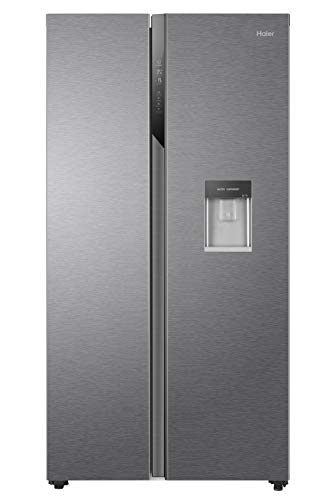
3. Side-by-Side Refrigerators
- Description: Features 2 vertical compartments, one for the fridge and one for the freezer.
- Pros: Ample storage space, easy to gain access to both frozen and fresh foods.
- Cons: Wider footprint, they might not fit in smaller kitchens.
4. French Door Refrigerators
- Description: Combines features of bottom freezers and side-by-sides, with 2 doors for the Fridge freezer best buy (Natashabloodworth.top) on top.
- Pros: Stylish design, roomy, and typically consists of sophisticated features.
- Cons: Higher cost point, aligns poorly with smaller sized kitchen area designs.
5. Compact Refrigerators
- Description: Smaller designs designed for restricted spaces.
- Pros: Ideal for small apartments or offices, energy-efficient.
- Cons: Limited storage capability, might do not have functions.
6. Integrated Refrigerators
- Description: Designed to blend flawlessly with kitchen cabinetry.
- Pros: Custom fit, aesthetic appeal, increases home worth.
- Cons: Higher cost, may use less versatility in placement.
7. Smart Refrigerators
- Description: Equipped with Wi-Fi and clever innovation functions.
- Pros: Advanced features like touch screens and internal cams.
- Cons: Expensive, more complex to fix.
| Refrigerator Type | Accessibility | Average Price Range | Energy Efficiency |
|---|---|---|---|
| Leading Freezer | Moderate | ₤ 300 – ₤ 600 | Average |
| Bottom Freezer | High | ₤ 400 – ₤ 800 | Above Average |
| Side-by-Side | Easy | ₤ 800 – ₤ 1500 | Differs |
| French Door | High | ₤ 800 – ₤ 2000 | High |
| Compact | Minimal | ₤ 200 – ₤ 500 | Average |
| Integrated | Custom-made | ₤ 1000 – ₤ 2500 | High |
| Smart | Variable | ₤ 1200+ | High |
Key Features to Consider
- Energy Efficiency: Look for models that are energy-efficient. In the UK, devices are rated from A (most effective) to G (least efficient). An A+ score and above can lead to substantial energy savings.
- Capability: Choose a fridge with enough capability for your household. A standard guideline is 100-200 liters per individual.
- Sound Level: Consider designs that run quietly, especially if the kitchen is near living spaces.
- Cooling Technology: Features like frost-free innovation are worth the financial investment, as they minimize upkeep.
- Adjustable Shelves: Having adjustable shelves enhances the flexibility to store bigger items.
- Temperature Control: Check for user friendly temperature level controls and zones for various types of food.
- Design: Choose the style and color that matches your kitchen aesthetic, whether you prefer a modern-day stainless-steel look or a timeless retro finish.
Buying Tips
- Identify Your Needs: Consider your cooking routines, family size, and kitchen space.
- Set a Budget: Refrigerators can be found in various rate varieties. Develop a budget before you begin going shopping.
- Research Energy Ratings: Invest in energy-efficient models to save money on utility bills.
- Read Reviews: User experiences can supply insights into dependability and efficiency.
- Compare Brands: Some brand names are understood for their toughness while others may offer more ingenious features.
Often Asked Questions (FAQs)
1. How long do refrigerators generally last?
- Fridges generally last in between 10 to 20 years, depending upon the brand name and how well they are preserved.
2. Exist any maintenance ideas for lengthening the life of a refrigerator?
- Regularly tidy the coils, examine the door seals, and periodically defrost if required to maintain optimum performance.
3. What is the best size refrigerator for a family of 4?
- For a family of 4, a refrigerator with a capability of around 400-600 liters is normally adequate.
4. Do I need to fret about energy consumption when purchasing a refrigerator?
- Yes, energy intake is necessary. Look for systems with high energy effectiveness rankings to reduce monthly expenses.
5. Should I choose a fridge with a water and ice dispenser?
- This feature can be practical, particularly for families. Nevertheless, it may require more maintenance than basic designs.
Buying a refrigerator is a significant decision for any household in the UK. With various types readily available, each with its distinct functions and advantages, it is essential to examine specific needs before deciding. By thinking about aspects such as energy efficiency, capability, and style looks, consumers can select a fridge that aligns well with their lifestyle, eventually boosting their kitchen area experience while protecting food quality and freshness.