

best-ovens9689
best-ovens9689
10 Hob And Oven-Related Projects To Extend Your Creativity
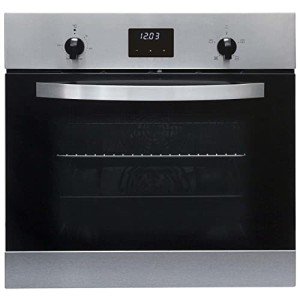
Understanding Hobs and Ovens: The Essential Kitchen Appliances
In the realm of kitchen appliances, few products are as vital as hobs and ovens. These appliances form the backbone of cooking activities, making it possible for individuals to create everything from basic meals to elaborate feasts. Comprehending the differences, types, and performances of hobs and ovens can substantially improve one’s cooking experience. This post explores the intricacies of hobs and ovens, providing insights that accommodate both amateur and skilled cooks.
What Is a Hob?
A hob, frequently referred to as a cooktop or range top, is the flat surface on which pots and pans are put for cooking. hobs with oven, funsilo.date, are geared up with heating components that create the required heat for cooking food. They come in different forms, consisting of gas, electric, induction, and ceramic options. Each type provides distinct benefits and drawbacks.
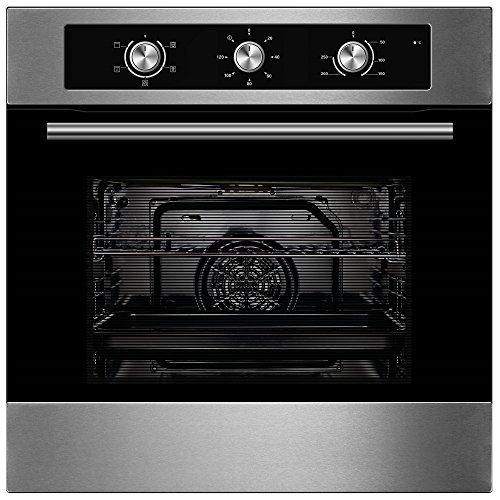
Kinds of Hobs
-
Gas Hobs:
- Heat Source: Natural gas or propane.
- Advantages: Instant heat control and responsiveness, chosen by many chefs for precise cooking.
- Disadvantages: Requires a gas connection and can be less energy-efficient.
-
Electric Hobs:
- Heat Source: Electric coils or smooth glass-ceramic surfaces.
- Advantages: Generally easier to clean up, even heating, and extensively offered.
- Drawbacks: Slower to warm up and cool down compared to gas.
-
Induction Hobs:
- Heat Source: Electromagnetic currents.
- Benefits: Quick heating, energy-efficient, and only heats up the cookware, not the surrounding surface area.
- Downsides: Requires suitable pots and pans (ferrous products).
-
Ceramic Hobs:
- Heat Source: Electric and has a smooth glass surface area.
- Advantages: Sleek look, easy to tidy, and even heating.
- Disadvantages: Can take longer to warm up and cool off.
What Is an Oven?
An oven is an enclosed home appliance that cooks food by surrounding it with dry heat. Ovens can be standalone units or combined with hobs in a single device called a variety. Ovens are versatile tools that can be used for baking, roasting, broiling, and more.
Types of Ovens
-
Standard Ovens:
- Heat Source: Electric or gas.
- Benefits: Good for standard baking and roasting.
- Downsides: Can have unequal heat circulation.
-
Convection Ovens:
- Heat Source: Electric or gas with a fan for distributing air.
- Benefits: More even cooking and quicker cooking times due to airflow.
- Disadvantages: Can be more expensive and might require changes in cooking times.
-
Microwave Ovens:
- Heat Source: Microwaves.
- Benefits: Quick cooking and reheating; fantastic for thawing.
- Downsides: Can not brown or crisp food well.
-
Steam Ovens:
- Heat Source: Steam generation.
- Benefits: Retains nutrients and moisture in food, much healthier cooking alternative.
- Downsides: Longer cooking times and usually greater cost.
Secret Differences Between Hobs and Ovens
While hobs and ovens serve the primary purpose of cooking food, their functionalities and utilizes vary significantly. The following table summarizes these key distinctions:
| Feature | Hob | Oven |
|---|---|---|
| Cooking Method | Direct heat | Enclosed heat |
| Main Use | Boiling, sautéing, frying | Baking, roasting |
| Heat Source | Gas, electric, induction | Gas, electric, steam |
| Cooking Area | Flat surface area | Enclosed space |
| Cooking Time | Typically much faster | Varies based upon dish |
| Control & & Precision | Immediate and direct | Relies on settings and timers |
Advantages of Using Hobs and Ovens Together
Integrating the use of a hob and an oven can considerably boost the cooking process. Here are some advantages:
- Versatility: Different types of food can be cooked simultaneously.
- Effectiveness: Using both enables various cooking strategies, such as burning on the hob and baking in the oven.
- Time-Saving: Multi-tasking can considerably minimize total cooking time.
Maintenance and Care
To make sure the durability of hobs and ovens, regular upkeep is essential. Here are some ideas:
For Hobs:
- Clean spills instantly to avoid staining.
- Usage proper cleaners for particular products (e.g., ceramic cleaner for glass-ceramic hobs).
- Frequently inspect gas connections for leaks (for gas hobs).
For Ovens:
- Wipe down the interior after each use to avoid build-up.
- Use self-cleaning functions if available, or use oven cleaners for tough spots.
- Regularly inspect seals and gaskets for wear and tear (to keep heat performance).
FAQs About Hobs and Ovens
1. What is the best kind of hob for a novice cook?
Response: A ceramic or electric hob is often recommended for beginners due to reduce of usage and cleansing.
2. Can I use any cookware on an induction hob?
Answer: No, induction hobs require pots and pans made from magnetic materials (e.g., cast iron or stainless-steel).
3. How frequently should I clean my oven?
Answer: It is recommended to clean your oven every few months, or more regularly if you use it often.
4. Is it much better to bake in a convection oven?
Response: Yes, convection ovens are frequently much better for baking as they offer even heat circulation. Nevertheless, some fragile recipes might benefit from conventional ovens.
Understanding the performance and differences in between hobs and ovens is necessary for any cooking enthusiast. Whether one chooses the instantaneous heat of a gas hob or the accuracy of an induction cooktop, each type provides unique advantages. Similarly, ovens differ commonly in function, from conventional baking to steam cooking. By valuing these devices’ roles in cooking, cooks can enhance their culinary skills and enhance their kitchen activities.