

sale-bunk-beds6155
sale-bunk-beds6155
Five Things You Don’t Know About Bunk Beds Sale
Bunk Beds Sale: A Comprehensive Guide to Choosing the Right Bunk Bed for Your Home
Bunk beds have long been a staple in kids’s bedrooms, using a mix of space-saving performance and enjoyable. Whether accommodating siblings, friends on pajama parties, or merely making the most of a playroom, bunk beds have ended up being a necessary component in modern household homes. As sales on bunk beds rise, it ends up being progressively essential for consumers to make informed decisions when purchasing one. This article will cover the essentials of buying a bunk bed, from types to security features, along with ideas for maintaining the stability of your investment.
Kinds Of Bunk Beds
When thinking about a bunk bed sale, it’s important to understand the various designs offered on the market. Below are the most typical types:
-
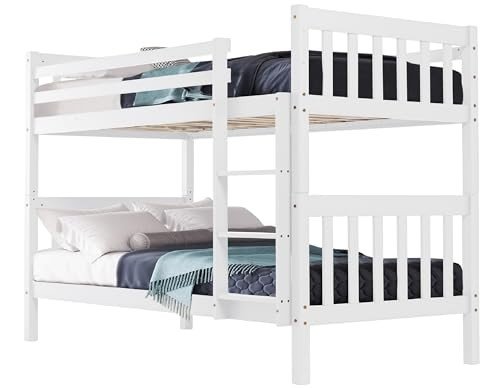
Traditional Bunk Beds: These consist of 2 beds stacked one above the other, sharing a single frame. They are often the most cost-effective alternative.
-
L-Shaped Bunk Beds: This design features one bed positioned vertically and another horizontally. This plan develops additional space below the upper bed, which can be used for storage or a backyard.
-
Lofted Beds: Similar to conventional bunk beds but with no lower bed. Instead, the space underneath can be made use of for a desk, play area, or extra storage.
-
Triple Bunk Beds: For families with a bigger variety of kids or frequent pajama parties, triple bunk beds supply three sleeping locations in a space-efficient design.
-
Futon Bunk Beds: These styles merge bunk beds and futon couches. The bottom section converts into a different seating area, enhancing functionality.
-
Convertible Bunk Beds: These beds can be separated into two specific beds, making them flexible as kids’s needs alter in time.
Table 1: Comparison of Bunk Bed Types
| Type | Description | Space Efficiency | Additional Features |
|---|---|---|---|
| Standard Bunk Bed | Two beds stacked vertically | High | Simplest design |
| L-Shaped Bunk Beds Beds Bed | One vertical and one horizontal bed | Moderate | Play or storage space |
| Lofted Bed | Elevated bed with open space below | High | Work/play location |
| Triple Bunk Bed | Three stacked beds | Really High | Accommodates more users |
| Futon Bunk Bed | Bunk bed with a convertible futon | High | Multi-functional |
| Convertible Bunk Bed | Can be divided into two different beds | Moderate | Versatility & & durability |
Security Features to Consider
Safety is vital when purchasing a bunk bed. Below are essential safety functions to try to find:
-
Guardrails: Adequate guardrails ought to exist on both sides of the upper bunk to avoid falls. They ought to be at least 5 inches higher than the mattress.
-
Ladder Design: Look for tough, broad ladders with slip-resistant rungs. Ensure that the angle is not too high for easy gain access to.
-
Stability: Ensure the bed is constructed with strong materials, such as strong wood or durable metal. The bed ought to not wobble when in use.
-
Weight Limit: Check the weight capacity of the bunk bed to ensure it can accommodate the intended users securely.
-
Material Safety: If possible, select beds made from non-toxic materials or those fulfilling safety standards for children’s furniture.
Table 2: Essential Safety Features
| Feature | Description | Significance |
|---|---|---|
| Guardrails | Sides of upper bed to prevent falls | Vital for child security |
| Ladder Design | Solid, slip-resistant rungs | Aids safe and simple access |
| Stability | Build quality to avoid wobbling | Guarantees security and longevity |
| Weight Limit | Maximum weight capability | Avoids mishaps |
| Material Safety | Non-toxic, safe products | Protects children’s health |
Upkeep Tips for Bunk Beds
To extend the life of your bunk bed and make sure ongoing safety, think about the following maintenance ideas:
-
Regular Inspections: Periodically examine the structure for loose screws, bolts, or any indications of wear. Tighten up fasteners as required.
-
Tidy Periodically: Dust and clean the surface areas routinely. Use proper cleaners that won’t damage the surface.
-
Inspect Weight Limits: Be conscious of weight limitations, especially with older children or adults who may wish to use the upper bunk.
-
Avoid Climbing on Guardrails: Educate children not to utilize guardrails for climbing up or playing to decrease the risk of mishaps.
Regularly Asked Questions (FAQs)
Q1: What is the age limitation for kids to safely utilize bunk beds?A: While it differs by the manufacturer, many suggest that kids under six ought to not sleep in the upper bunk due to safety issues.
Q2: How can parents dissuade hazardous climbing?A: Setting clear rules about bunk bed use and supervising kids can help. Additionally, using a bed camping tent can dissuade climbing up while developing a fun sleep environment.
Q3: What should I consider when decorating a room with bunk beds?A: Ensure there is adequate space around the bunk bed for safe motion, and make use of the decor to produce customized areas for each kid.
Q4: Is a lofted bed appropriate for older kids?A: Yes, lofted beds can be appropriate for older children as long as they satisfy security requirements and the kid is responsible enough to utilize them securely.
Bunk beds serve a functional purpose while adding an element of enjoyable to a child’s bedroom. As sales of bunk beds continue to rise, mindful factor to consider of types, safety functions, and upkeep practices is important for parents and caretakers. By understanding these important factors, households can find the perfect bunk bed for their home, guaranteeing both practicality and safety for several years to come. Whether it’s for siblings sharing a room or creating a cozy pajama party space, a well-chosen bunk bed can provide delight and usefulness, making it a deserving investment.