upvc-window-repair0158
upvc-window-repair0158
Ten Things You Learned About Kindergarden To Help You Get Doors Repairs
Comprehensive Guide to Door Repairs: Understanding the Process, Costs, and Techniques
Doors are vital components of every home and business, supplying security, personal privacy, and looks. However, wear and tear can cause various concerns, demanding door repairs. This short article explores typical door issues, repair techniques, associated expenses, and regularly asked concerns about door repairs.
Kinds Of Door Repairs
Doors can suffer from a variety of concerns depending on their type, material, and usage. A few of the most common kinds of door repairs consist of:
-
Hinge Repairs:
- Loose hinges triggering doors to sag.
- Rusty hinges that need replacement or lubrication.
-
Door Frames:
- Damaged or warped frames from weather condition direct exposure.
- Cracks or divides in the frame.
-
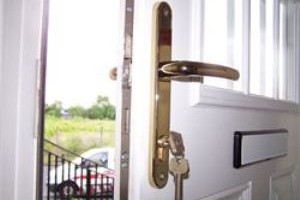
Locks and Latches:
- Broken locks that need replacement.
- Misaligned locks preventing correct closure.
-
Surface Damage:
- Scratches, dents, and holes in wood or metal doors.
- Faded paint or surface requiring repainting or refinishing.
-
Weather Stripping:
- Worn out or harmed weather condition stripping allowing drafts or moisture.
Step-by-Step Guide to Common Door Repairs
Below are a number of common door Sash windows Repair methods, outlining steps and needed materials.
Repairing a Sagging Door
A drooping door can be a problem, typically caused by loose hinges or a distorted frame.
Materials Needed:
- Screwdriver
- Wood shim
- Level
Steps:
- Check Hinge Screws: Inspect the hinge screws for tightness. If they are loose, tighten them utilizing a screwdriver.
- Utilize a Level: Place a level versus the door to see how far it is drooping.
- Insert Shims: If the door is sagging substantially, insert a wood shim behind the leading hinge. This can help lift the door back into place.
- Re-tighten Screws: After adjusting the shim, re-tighten the hinge screws. Check the door and make further modifications if necessary.
Fixing a Sticky Door
A sticky door can be triggered by humidity, temperature changes, or misalignment.
Materials Needed:
- Sandpaper or a hand aircraft
- Screwdriver
Steps:
- Inspect for Rubbing: Close the door and check which locations are rubbing against the frame.
- Get Rid Of Door if Necessary: If significant modification is needed, eliminate the door using a screwdriver.
- Sand the Rubbing Areas: Use sandpaper or a hand airplane to shave down the areas that are sticking. Be patient and test often.
- Rehang and Adjust: Rehang the door and make any final adjustments.
Replacing a Door Lock
A malfunctioning lock can posture security risks and trouble.
Products Needed:
- New lock set
- Screwdriver
- Measuring tape
Actions:
- Remove the Old Lock: Unscrew the existing lockset from both the interior and outside sides of the door.
- Measure and Prepare: Measure the door’s density and the existing holes to ensure an appropriate suitable for the brand-new lock.
- Set Up the New Lock: Follow the manufacturer’s directions to set up the brand-new lock, guaranteeing it’s correctly lined up and securely attached.
- Evaluate the Lock: Test the lock to guarantee it runs smoothly.
Repainting or Refinishing a Door
Doors can begin to look worn over time, needing a fresh coat of paint or stain.
Materials Needed:
- Paint or stain
- Guide (if painting)
- Paintbrush or roller
- Sandpaper
- Tidy cloth
Actions:
- Remove Hardware: Take off doorknobs and other hardware to make painting easier.
- Sand the Surface: Lightly sand the door to eliminate old paint or stain and create a smooth surface for adhesion.
- Clean the Door: Wipe the door with a clean fabric to eliminate dust and particles.
- Apply Primer: If painting, use a coat of primer.
- Paint or Stain: Apply the chosen paint or stain with even strokes, enabling each coat to dry completely before including additional coats.
Expense Involved in Door Repairs
The cost of door repairs can differ considerably based upon the kind of repair needed and your geographic location. Below is a general introduction of expected costs:
| Repair Type | Approximated Cost Range |
|---|---|
| Hinge repairs | ₤ 10 – ₤ 50 |
| Frame repair | ₤ 50 – ₤ 200 |
| Lock replacement | ₤ 30 – ₤ 150 |
| Surface refinishing | ₤ 50 – ₤ 300 |
| Weather removing | ₤ 10 – ₤ 50 |
Note: The expenses might omit any prospective labor charges if employing an expert.
Often Asked Questions About Door Repairs
1. How do I know if my door requires repair?
Signs of damage, problem in opening or closing, and noticeable wear and tear are indications that your door may need repair.
2. Can I repair my door myself, or should I hire an expert?
Numerous little repairs can be done by homeowners with fundamental tools. However, for intricate problems, or if you do not have the necessary skills, it may be a good idea to work with an expert.
3. How typically should I check my doors?
Regular evaluations (at least when a year) are recommended to make sure that doors stay in excellent condition. Search for indications of damage and deal with any problems without delay.
4. What materials are best for door repairs?
For wooden doors, wood glue and wood filler are ideal, while metal doors might need a metal patching compound. Always utilize weather-resistant products for outdoor doors.
5. Can a distorted door be repaired?
Oftentimes, a deformed door can be repaired by realigning or changing the hinges or by using moisture and heat to bring back the initial shape. However, extreme warping might demand door replacement.
Routine maintenance and prompt repairs can significantly extend the life-span of doors while ensuring optimum functionality and looks. By comprehending common door concerns and their matching repair strategies, homeowners can efficiently handle their door maintenance without unneeded frustration or cost. Whether selecting a DIY approach or employing specialists, attending to door repairs proactively causes a more safe and secure and visually enticing environment.