treadmills-sales0690
treadmills-sales0690
5 Reasons Treadmill UK Is Actually A Great Thing
Understanding Treadmills: Types, Benefits, and Considerations
Treadmills have actually ended up being an essential part of physical fitness culture, using a hassle-free option for individuals looking for to improve their cardiovascular physical fitness without the need for outside areas or weather condition factors to consider. With a variety of functions and models readily available, potential buyers need to be knowledgeable to make the best decision. This article aims to provide a detailed summary of treadmills, consisting of the various types, advantages, and elements to consider when acquiring one.
The Different Types of Treadmills
1. Handbook Treadmills
Manual treadmills are powered by the user rather than an electric motor. They need no electrical power and generally feature a basic style with less moving parts.
Advantages of Manual Treadmills:
- Cost-effective
- Portable and lightweight
- No reliance on electrical power
Drawbacks:
- Limited features
- Typically lack slope alternatives
2. Motorized Treadmills
Motorized treadmills are the most common type, powered by an electric motor. They typically offer numerous functions such as programmable workout regimens, adjustable slopes, and greater weight capabilities.
Advantages of Motorized Treadmills:
- Smooth operation and constant traction
- Flexible with sophisticated features for varied exercises
- Options for incline and decline settings
Downsides:
- Higher expense compared to manual treadmills
- Require electrical power and might increase electric expenses
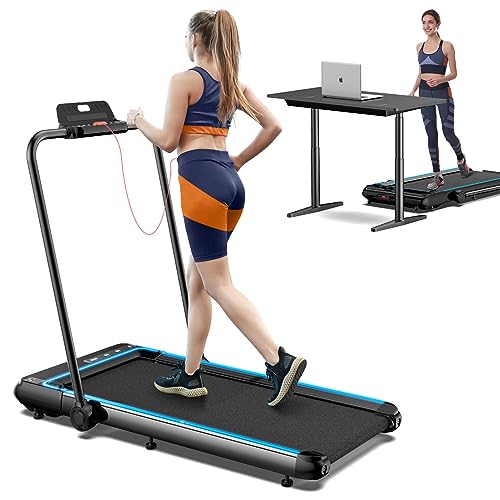
3. Folding Treadmills
Folding treadmills are created for easy storage, making them ideal for those with restricted space.
Advantages of Folding Treadmills:
- Space-saving design
- Easy to transport and save
- Suitable for home use where area is at a premium
Drawbacks:
- Typically may have a smaller running surface area
- Weight limitation might be lower than non-folding models
4. Business Treadmills
These treadmills are constructed for resilience and efficiency, typically found in health clubs and fitness centers. They are created for high usage rates and featured sophisticated functions.
Advantages of Commercial Treadmills:
- Extremely long lasting and typically supported by warranties
- Complete variety of functions, consisting of innovative training programs
- Ideal for durable workouts
Drawbacks:
- Higher price point
- Might be too big or heavy for home usage
| Type of Treadmill | Source of power | Common Features | Perfect For |
|---|---|---|---|
| Manual Treadmill | None | Basic workout metrics | Minimalist users |
| Motorized Treadmill | Electric | Programmable exercises, incline choices | General fitness enthusiasts |
| Folding Treadmill | Electric | Space-saving design | Home users with minimal area |
| Industrial Treadmill | Electric | Advanced training programs | Gym centers |
Benefits of Using a Treadmill
Treadmills provide numerous benefits for people looking to boost their physical fitness levels or maintain an athletic regimen.
1. Convenience
Owning a treadmill permits users to exercise at their own schedule, getting rid of reliance on climate condition. It supplies versatility, as exercises can happen day or night.
2. Personalized Workouts
Numerous contemporary treadmills include customizable programs to accommodate beginners and seasoned professional athletes. Users can adjust speed, slope, and workout period to make the most of the efficiency of their sessions.
3. Tracking Progress
The majority of treadmills come geared up with digital screens that tape essential statistics such as distance, speed, calories burned, and heart rate. Monitoring this data helps users track their physical fitness development over time.
4. Reduced Impact
Treadmills typically supply a cushioned surface that can decrease joint effect compared to running on difficult outdoor surfaces, making them a suitable alternative for people with joint concerns or those recuperating from injuries.
5. Variety of Workouts
Users can engage in various workouts on a treadmill, from walking and jogging to interval training and speed work. Some machines even use integrated courses that mimic outside surfaces.
Considerations When Buying a Treadmill
When buying a treadmill, individuals must consider a number of aspects to ensure they make a notified choice.
1. Area Requirements
- Step Available Space: Before selecting a model, step where the treadmill will be placed to ensure it fits comfortably.
- Think About Folding Options: If area is a problem, think about buying a folding treadmill for hassle-free storage.
2. User Weight and Height
- Examine the weight capability of the treadmill to accommodate its designated users.
- Ensure that the belt length is suitable for users’ strides, especially for taller people.
3. Features and Technology
- Assess whether advanced features like heart rate monitors, Bluetooth connection, and integrated training programs are very important for the designated user.
- Investigate easy to use user interfaces and product reviews on display quality.
4. Guarantee and Customer Support
- Evaluation warranty options to comprehend what is covered and for the length of time. Some designs may use prolonged guarantees or guarantees for parts.
- Assess the brand’s reputation for consumer support in case of breakdowns or questions.
5. Rate Range
- Consider your spending plan but keep in mind that more affordable models might lack features, resilience, or guarantee assistance.
- Explore funding alternatives if investing in a higher-end design.
Frequently asked questions About Treadmills
1. What is the typical life-span of a treadmill?
Generally, a high-quality treadmill can last in between 7 to 12 years, depending on usage, maintenance, and build quality.
2. What is the very best treadmill brand?
Popular brand names include NordicTrack, Sole Fitness, Precor, and LifeSpan, each understood for their quality and customer complete satisfaction.
3. Can I use a treadmill for walking?
Yes, treadmills are best for walking, running, or running, making them flexible for users of all fitness levels.
4. How frequently should I service my treadmill?
Routine maintenance is usually recommended every 6 months to guarantee optimal efficiency and longevity.
5. Is it fine to operate on a treadmill every day?
While working on a treadmill daily is appropriate for some, it’s smart to integrate rest days or alternate workouts to avoid potential overuse injuries.
In conclusion, treadmills stay a popular choice for physical fitness lovers looking for flexibility and customizability in their workout regimens. By understanding the numerous types available, their advantages, and crucial aspects to think about throughout purchase, users can make an informed choice that aligns with their fitness goals and lifestyles.