

automatic-vacuum-cleaners0287
automatic-vacuum-cleaners0287
10 Things That Your Family Taught You About Robotic Hoover
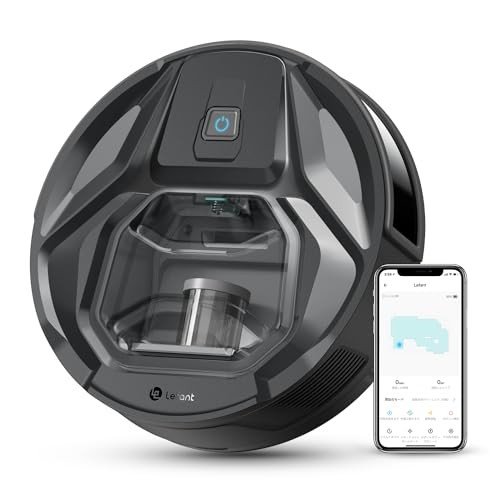
The Evolution and Impact of Robotic Hoovers in Modern Homes
In the ever-evolving landscape of home technology, few developments have captured the public’s imagination quite like robotic hoovers. These automated cleaning gadgets, once considered a high-end, have become increasingly commonplace in homes around the globe. From their humble beginnings to the advanced designs readily available today, robotic hoovers have changed the way we think about and perform family chores. This short article digs into the history, innovation, advantages, and possible future developments of these amazing machines.
A Brief History of Robotic Hoovers
The principle of a robot that could clean autonomously goes back to the mid-20th century, when sci-fi authors and futurists began visualizing a future where family tasks would be performed by smart makers. However, it wasn’t till the late 1990s and early 2000s that the very first commercially viable robotic hoovers hit the marketplace. The iRobot Roomba, presented in 2002, is typically credited as the pioneer in this field. Since then, many companies have gotten in the marketplace, each bringing its own distinct functions and technologies to the table.
How Robotic Hoovers Work
Robotic hoovers run using a mix of sensors, algorithms, and navigation systems. Here’s a breakdown of the crucial components and technologies:
-
Sensors
- Laser and Infrared Sensors: These assist the robot find obstacles, walls, and drop-offs, ensuring it doesn’t fall down stairs or get stuck.
- Dust Detection Sensors: These sensing units recognize areas with a high concentration of dirt and dust, allowing the robot to focus its cleaning efforts.
- Cliff Sensors: These prevent the robot from falling off edges, such as staircases.
-
Navigation Systems
- Mapping Technology: Advanced designs use mapping technology to create a detailed floor strategy of the home, enhancing cleaning paths and preventing formerly cleaned up locations.
- SLAM (Simultaneous Localization and Mapping): This technology allows the robot to navigate and map its environment in real-time, making adjustments as it goes.
-
Cleaning Mechanisms
- Brush Systems: Most robotic hoovers use a mix of main and side brushes to sweep and gather dirt and particles.
- Suction Power: The strength of the suction is essential for efficient cleaning, especially on carpets and in hard-to-reach areas.
- HEPA Filters: These filters are used in higher-end models to trap irritants and great particles, making them ideal for families with pets or allergy patients.
-
Connectivity and Control
- Wi-Fi Connectivity: Many modern-day robotic hoovers can be controlled by means of smart device apps, permitting users to schedule cleansings, display progress, and get alerts.
- Voice Control: Integration with smart home devices like Amazon Alexa and Google Assistant makes it possible for hands-free operation.
Advantages of Robotic Hoovers
The adoption of robotic hoovers has brought several benefits to contemporary households:
-
Convenience
- Automated Cleaning: Robotic hoovers can be set to clean immediately, minimizing the need for manual intervention.
- Remote Operation: Users can manage and monitor their robotic hoovers from anywhere, utilizing smartphone apps or voice commands.
-
Performance
- Optimized Cleaning Paths: Advanced navigation systems guarantee that the robot covers the entire area effectively, lowering the time and energy needed for cleaning.
- Consistency: Robotic hoovers can carry out cleaning tasks consistently, keeping a high standard of cleanliness without the need for human supervision.
-
Cost-Effectiveness
- Long-Term Savings: While the initial investment might be greater, robotic hoovers can save cash with time by decreasing the need for expert cleaning company.
- Energy Efficiency: Modern models are designed to be energy-efficient, minimizing their impact on electrical power bills.
-
Time-Saving
- Maximizing Time: By automating the cleaning procedure, users have more time to concentrate on other activities, whether it’s work, leisure, or spending quality time with household.
-
Allergy Relief
- HEPA Filters: These filters can record irritants and fine particles, enhancing indoor air quality and providing relief to allergy sufferers.
Difficulties and Limitations
Regardless of their numerous benefits, robotic hoovers are not without their obstacles:
-
Initial Setup
- Mapping and Calibration: Setting up a robotic hoover can be lengthy, particularly for bigger homes or those with intricate designs.
- Obstacle Identification: Users may require to rearrange furnishings or get rid of small challenge make sure the robot can browse freely.
-
Battery Life
- Restricted Range: Most robotic hoovers have a limited battery life, which might need them to return to their charging dock before finishing a cleaning cycle.
- Frequent Recharging: Some designs may require to charge multiple times during a single cleaning session, which can be troublesome.
-
Cleaning Performance
- Dust and Debris Collection: While effective on tough floors, some models battle with deep-pile carpets or heavily soiled areas.
- Upkeep: Regular cleaning of filters and brushes is essential to maintain ideal efficiency.
-
Personal privacy Concerns
- Information Collection: Some users may be concerned about the information collected by the robot, including floor maps and user behavior patterns.
Future Developments
The future of robotic hoovers looks promising, with ongoing developments in technology and increasing combination with smart home environments. Here are some potential developments:
-
Enhanced Navigation
- AI and Machine Learning: Improved AI and device knowing algorithms will make it possible for robotic hoovers to better understand and adapt to their environment, making them more efficient and autonomous.
- 3D Mapping: Three-dimensional mapping technology will allow robotics to navigate more intricate and messy areas.
-
Better Cleaning Performance
- Multi-Functionality: Future models may consist of additional features such as mopping and air filtration.
- Smart Sensors: Advanced sensing units will find and clean particular types of dirt and debris, such as pet hair or sticky substances.
-
Enhanced Battery Technology
- Longer Battery Life: Advances in battery technology will increase the range and duration of cleaning sessions.
- Faster Charging: quicker charging times will lower downtime and make the robots more user-friendly.
-
Smooth Integration
- Smart Home Ecosystems: Robotic hoovers will integrate more flawlessly with other smart home gadgets, enabling for coordinated cleaning and home management.
- Voice-Activated Commands: Enhanced voice acknowledgment and natural language processing will make it much easier to manage the robot utilizing voice commands.
Regularly Asked Questions (FAQs)
-
How do I set up a robotic hoover?
- Establishing a Robotic Hoover (Www.Ellisrexroad.Top) typically involves downloading a mobile phone app, linking the robot to your Wi-Fi network, and developing a map of your home. Some designs may need additional calibration or setting up virtual walls to define cleaning areas.
-
Can robotic hoovers clean up all types of floorings?
- A lot of robotic hoovers are designed to clean up both hard floors and low-pile carpets. However, deep-pile carpets and greatly stained locations might need extra cleaning or a more effective design.
-
How frequently do I require to clear the dustbin?
- The frequency of emptying the dustbin depends on the size of your home and how frequently the robot cleans. As a general guideline, it’s a good concept to clear the dustbin after each cleaning session to ensure optimum performance.
-
Are robotic hoovers loud?
- Modern robotic hoovers are created to be relatively quiet, but the noise level can differ depending on the design and the strength of the suction. Some models use a “quiet mode” for very little disturbance.
-
Can robotic hoovers climb up stairs?
- The majority of robotic hoovers are not created to climb up stairs due to safety issues. However, some designs can be set to stop briefly at the top of a staircase and resume cleaning on a various floor when manually moved.
-
Do I require to remove furniture before using a robotic hoover?
- While some furnishings might need to be relocated to permit the robot to clean underneath, a lot of designs are created to browse around obstacles. It’s a great idea to eliminate small products that could restrain the robot’s path.
-
For how long do robotic hoovers last?
- The lifespan of a robotic hoover can differ, but numerous models are designed to last several years with proper maintenance. Routine cleaning of filters and brushes, along with keeping the robot’s software application updated, can extend its life-span.
-
Are robotic hoovers worth the investment?
- For many families, the convenience, performance, and time-saving advantages of robotic hoovers make them a worthwhile financial investment. However, it’s important to consider your specific requirements and the features used by various models before purchasing.
Robotic hoovers have actually come a long way given that their inception, changing the method we keep our homes. With their ability to clean autonomously, incorporate with smart home systems, and provide consistent outcomes, they offer a series of benefits that make them an attractive choice for numerous families. As innovation continues to advance, we can anticipate a lot more advanced and user-friendly designs to emerge, even more improving the cleaning experience. Whether you’re a busy expert, a moms and dad, or simply somebody who values a tidy home, a robotic hoover might simply be the option you’ve been looking for.
By exploring the history, innovation, benefits, and future of robotic hoovers, this article aims to provide an extensive understanding of these ingenious cleaning devices. For those considering a robotic hoover, the FAQs and lists of crucial features can serve as important resources in making an informed decision.