

bunk-bed-uk9799
bunk-bed-uk9799
10 Tell-Tale Signs You Need To Know Before You Buy Bunk Bed
A Comprehensive Guide to Children’s Bunk Beds: Styles, Benefits, and Safety Considerations
Bunk beds have ended up being a popular option for families aiming to optimize space and provide an enjoyable sleeping environment for kids. With their unique design, they provide a creative and practical solution for shared bedrooms, playrooms, or perhaps guest lodging. This short article explores the various designs of kids’s bunk beds, their advantages, safety factors to consider, and addresses some frequently asked concerns.
The Allure of Bunk Beds
Children’s bunk beds are more than just space-saving structures; they are also a gateway to daring dreams and creative play. Below is an in-depth evaluation of their numerous advantages.
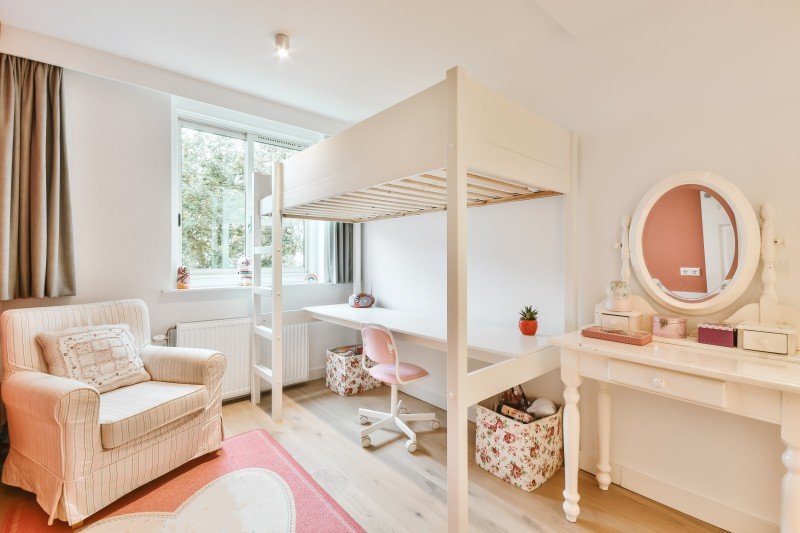
Advantages of Bunk Beds
- Space-Saving: Bunk beds efficiently use vertical space, making them a perfect option for smaller sized spaces.
- Spirited Design: Many bunk bed styles include slides, tents, and themed components, sparking creativity and excitement.
- Partner Sharing: Bunk beds Bunk Beds are perfect for brother or sisters sharing a space or accommodating slumber parties.
- Versatile Use: Some designs can be separated into two private beds, using flexibility as children grow.
- Storage Options: Many bunk beds include integrated drawer storage or shelves, even more boosting their usefulness.
Designs of Children’s Bunk Beds
The variety of bunk beds offered today accommodates different choices and requirements. Below is an overview of some popular styles.
| Style | Description | Best For |
|---|---|---|
| Requirement Bunk Bed | A conventional design including one bed stacked above another. | Brother or sisters sharing a room. |
| Loft Bed | Similar to a bunk bed without the bottom bunk, enables for an office or play location listed below. | Limited space for play/desk. |
| L-Shaped Bunk Bed | 2 beds arranged in an L-shape, frequently with additional sections for storage or play. | Unique space layouts. |
| Twin Over Full | A twin bed over a complete bed, accommodating various sleep needs. | Growing children and teens. |
| High Sleeper | Stands even higher than a loft bed, normally featuring a desk or play location below. | Older kids needing more play/desk space. |
| Camping Tent Bunk Bed | Bunk beds with a canopy or tent-like structure, creating a comfortable, fun space. | Active and imaginative kids. |
Secret Features to Consider
When selecting the best bunk bed for kids, the following features deserve thinking about:
- Material: Bunk beds can be made from wood, metal, or a combination. Each has its distinct aesthetic and toughness.
- Weight Capacity: Always validate the weight limitation of the bunk bed to ensure it can accommodate your children securely.
- Security Rails: Ensure the top bunk has tough rails to prevent falls.
- Ladder Security: A properly designed ladder must offer easy and safe access to the upper bunk.
- Ending up: Ensure any surfaces are non-toxic and safe for kids.
Safety Considerations
Security is paramount when it comes to children’s bunk beds. The following standards should be stuck to:
- Age Appropriateness: Generally, children under six years old need to not oversleep the upper bunk due to security dangers.
- Sturdy Construction: Ensure the frame and materials are strong and can support the weight without sagging.
- Regular Maintenance: Periodically examine for loose screws, bolts, or other parts that might need tightening.
- Clear Play Area: Keep the area around the bunk bed without toys and barriers to reduce tripping risks.
Setting Rules for Safe Use
Establishing standards for bunk bed usage will help make sure safety:
- Limit Jumping and Climbing: Children must be advised against jumping from the leading bunk and climbing up on the sides.
- Supervising Sleepovers: Monitor young guests while they are using the bunk bed for the very first time.
- Inform on Ladder Use: Teach how to utilize the ladder safely, emphasizing the value of facing the ladder when climbing up or down.
Regularly Asked Questions
1. What age is appropriate for a child to sleep in the top bunk?
A lot of makers recommend that kids must be at least 6 years of ages to oversleep the upper bunk. This standard is designed to mitigate the threat of falls.
2. Can bunk beds be personalized?
Yes, many makers provide adjustable choices, consisting of colors, products, and additional features like drawers or desks.
3. Are bunk beds safe for weight?
Bunk beds have weight limits, usually varying from 200 to 400 pounds, depending upon the model and product. Always inspect the manufacturer’s specs.
4. How do I keep and clean a bunk bed?
Routinely inspect for loose parts, keep the bed clean by cleaning down surfaces, and ensure the bed linen is fresh to promote a safe and hygienic sleep environment.
5. Can bunk beds be separated into private beds?
Many bunk beds include an alternative to separate them into two individual beds, providing long-term flexibility.
Kid’s bunk beds are more than mere furnishings; they are a functional, versatile, and imaginative component of a kid’s space. With numerous designs available and many safety considerations to keep in mind, parents can select the ideal bed that fits their space, fulfills their kids’s needs, and instills a sense of adventure. By comprehending the advantages, designs, and safety procedures connected with bunk beds, families can produce a delightful and protected sleeping environment for their children. Whether for brother or sisters sharing a room or space-saving services, bunk beds stay a beloved option for numerous homes.