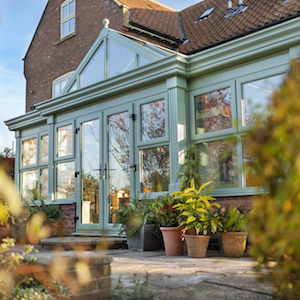
windows-and-doors0381
windows-and-doors0381
20 Things You Need To Know About Windows Doors Upvc
Understanding UPVC Windows and Doors: The Ultimate Guide
Over the last few years, the appeal of UPVC (unplasticized polyvinyl chloride) windows and doors has actually surged, and for excellent factor. These products use an ideal mix of effectiveness, style, and durability, making them a perfect choice for property owners and builders alike. This short article looks into the various elements of UPVC windows and doors, exploring their benefits, expenses, upkeep, and frequently asked questions.
What is UPVC?
UPVC is a type of plastic that is widely utilized in the building industry, particularly for doors and window frames. Unlike regular PVC, UPVC does not consist of plasticizers, which makes it rigid and appropriate for structural applications. The material is resistant to moisture and environmental deterioration, giving it a longer lifespan compared to traditional materials like wood and metal.
Advantages of UPVC Windows and Doors
-
Resilience: UPVC is extremely resistant to rot, deterioration, and fading, making it an excellent option for climates with severe climate condition.
-
Energy Efficiency: UPVC frames can help improve the energy performance of homes. They are outstanding insulators, which suggests they can assist reduce heating & cooling expenses.
-
Low Maintenance: Unlike wood frames that might need regular painting and sealing, UPVC can merely be cleaned with soap and water, keeping its look with very little effort.
-
Affordable: Although the initial investment may be higher than aluminum or wood alternatives, the long life expectancy and low maintenance requirements of UPVC make it a more economical choice gradually.
-
Visually Pleasing: UPVC doors and windows come in different designs and colors, ensuring property owners can find a choice that complements their property.
Table 1: Comparison of UPVC with Other Materials
| Function | UPVC | Wood | Aluminum |
|---|---|---|---|
| Toughness | Extremely durable | Prone to rot & & decay | Corrosion resistant |
| Energy Efficiency | Exceptional insulation | Moderate insulation | Great insulation |
| Maintenance | Low maintenance | High upkeep | Moderate maintenance |
| Cost (Initial) | Moderate to high | High | Moderate |
| Appearance Options | Variety offered | Natural surfaces | Modern completes |
Types of UPVC Windows and Doors
UPVC items can be found in numerous designs to fit various architectural styles and individual preferences. Some typical types include:
Windows:
- Casement Windows: Hinged at the side, these windows open external, providing outstanding ventilation.
- Sliding Windows: These windows run on a track, enabling simple opening and closing.
- Sash Windows: Featuring sliding panes, sash windows provide a standard look and performance.
- Tilt and Turn Windows: Versatile in style, these windows can tilt for ventilation or turn completely for simple cleaning.
Doors:
- UPVC Front Doors: Designed to supply security and insulation, these doors are offered in numerous styles.
- French Doors: These double doors open outside and produce a seamless link to outside areas.
- Sliding Patio Doors & windows near me: Ideal for making the most of views and natural light, these doors operate efficiently along a track.
- Bi-fold Doors: These doors can fold back to create an open space, best for entertaining or linking indoor and outside areas.
Advantages of UPVC Doors and Windows
-
Increased Security: UPVC windows and doors are typically fitted with multi-point locking systems, making them a protected alternative for homes.
-
Sound Reduction: The insulation properties of UPVC help in minimizing sound pollution, developing a quieter indoor environment.
-
Eco-friendly: UPVC is recyclable, making it a sustainable choice for environmentally conscious customers.
-
Customizable: With choices for different colors, finishes, and hardware, UPVC items can be tailored to match any home decoration.
Installation Process
The setup of UPVC doors and windows is important for ensuring their functionality and longevity. Here are the key steps associated with the setup process:
-
Measurement: Accurate measurements of the existing openings are taken.
-
Preparation: The old frames are gotten rid of, and the location is cleaned up and prepped for the new setup.
-
Positioning: The new UPVC frames are placed, ensuring they fit comfortably within the openings.
-
Sealing: The frames are sealed utilizing proper sealing materials to prevent drafts and water ingress.
-
Finishing: Final changes are made to ensure the windows and doors run smoothly, and any complements are included.
Upkeep Tips for UPVC Windows and Doors
To keep UPVC windows and doors in great condition, the following maintenance ideas are recommended:
-
Regular Cleaning: Use a wet fabric or sponge with moderate soap to clean down the frames and glass surface areas. Prevent severe chemicals that can damage the product.
-
Examine Seals and Locks: Regularly examine the sealing and locking mechanisms to ensure they are functioning correctly.
-
Lubricate Moving Parts: Use a silicone-based lube on hinges and locks to keep them running smoothly.
-
Check for Damage: Periodically examine for any visible damage or wear to attend to concerns before they escalate.
FAQs About UPVC Windows and Doors
-
For how long do UPVC doors and windows last?
- UPVC doors and windows can last upwards of 20 years with proper maintenance.
-
Are UPVC items energy effective?
- Yes, UPVC offers outstanding insulation residential or commercial properties, which can significantly boost energy performance in homes.
-
Can UPVC windows be painted?
- While UPVC can be painted, it’s generally not advised, as this may void guarantees and affect the product’s integrity.
-
Are UPVC items recyclable?
- Yes, UPVC is recyclable, making it an eco-friendly choice.
-
Can I set up UPVC doors and windows myself?
- While DIY installation is possible, it is advised to employ professionals for correct and safe and secure setup.
In summary, UPVC doors and windows provide a myriad of advantages that make them a smart financial investment for property owners. Their resilience, energy performance, low maintenance requirements, and large range of styles place them as an attractive alternative in the market. Comprehending the qualities and advantages of UPVC can assist consumers make informed choices when updating or constructing their homes. As sustainability continues to end up being increasingly essential, materials like UPVC will stay at the forefront of contemporary building and construction.