

fuehrerscheinn3161
fuehrerscheinn3161
Three Greatest Moments In Buying A German Driving License Experiences History
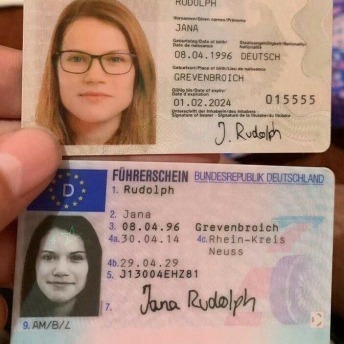
Navigating the Autobahn and Beyond: Understanding the German Driving License Experience
The allure of Germany often extends beyond its rich history, dynamic culture, and sensational landscapes. For lots of, the possibility of driving on the famous Autobahn, a network renowned for its sections without necessary speed limitations, is a substantial draw. Nevertheless, before one can experience the thrill behind the wheel in Germany, acquiring a German driving license is a needed and, typically perceived, challenging undertaking. This article explores the experiences related to acquiring a German driving license, using a useful guide to the procedure, prospective difficulties, and important insights for anybody thinking about starting this journey.
A German driving license is more than simply a paper permitting legal operation of a vehicle; it’s a testament to a driver’s proficiency and adherence to stringent German road safety requirements. The process is developed to be thorough, ensuring drivers are not only knowledgeable about traffic laws however also have the useful skills and accountable attitude required to navigate German roadways safely. While the credibility of the German driving test as extensive is well-earned, understanding the process and being prepared can make the experience less complicated and ultimately successful.
The Road to a German Driving License: A Step-by-Step Journey
Acquiring a German driving license is a structured process, typically involving several essential stages. While particular experiences can differ based on private situations and driving schools, the basic path stays constant.
Here’s a breakdown of the standard actions:
-
Enrolling in a Driving School (Fahrschule): This is the very first and crucial action. Choosing the best driving school is essential as they will direct you through the whole process. Driving schools in Germany are regulated and use structured training programs adhering to national standards. Registration generally includes registration and getting initial information about the course structure, expenses, and needed files.
-
Eye Test (Sehtest): Before starting official training, an eye test is obligatory to guarantee you satisfy the minimum vision requirements for driving. This test can be done at an optician or an ophthalmologist. A certificate of your effective eye test is a required document for your application.
-
First Aid Course (Erste-Hilfe-Kurs): Demonstrating understanding of very first help is a prerequisite for obtaining a German driving license. You will require to complete an acknowledged first help course, normally lasting a day. These courses are widely available and cover important emergency treatment treatments pertinent to road accidents and basic emergencies.
-
Theory Lessons (Theorieunterricht): German driving theory is extensive and comprehensive. Driving schools provide necessary theory lessons, covering whatever from traffic laws and policies, roadway indications, and right-of-way rules to vehicle technology, environmental factors to consider, and defensive driving strategies. These lessons are frequently interactive and developed to prepare students for the theoretical assessment.
-
Theory Exam (Theorieprüfung): Once the theory lessons are finished, you can apply to take the official theory exam. This computer-based exam tests your understanding of German driving laws and regulations. It involves multiple-choice concerns and video-based scenarios. Passing the theory exam is a prerequisite for beginning practical driving lessons. Many prospective drivers find the theory exam challenging due to the sheer volume of information and the need to comprehend nuanced German traffic guidelines. Language can also be a significant barrier for non-native speakers.
-
Practical Driving Lessons (Fahrstunden): After passing the theory exam, the useful driving lessons begin. The variety of lessons needed differs significantly depending upon individual aptitude, prior driving experience (if any), and the driving instructor’s assessment of progress. German driving instructors are highly trained and focus not only on fundamental car control but likewise on safe, accountable, and anticipatory driving. Lessons cover a wide variety of driving scenarios, including city driving, Autobahn driving, rural roadways, night driving (typically obligatory), and emergency maneuvers. These lessons are performed in driving school cars geared up with double controls.
-
Practical Exam (Praktische Prüfung): The useful driving exam is the last difficulty. It is carried out by an official inspector from the TÜV (Technischer Überwachungsverein) or DEKRA (Deutscher Kraftfahrzeug-Überwachungs-Verein), independent testing organizations. The exam normally lasts around 45-60 minutes and evaluates a driver’s ability to safely and properly operate a vehicle in real-world traffic conditions. Inspectors diligently evaluate driving abilities, adherence to traffic rules, observation abilities, and total driving habits. The German useful exam is known for its thoroughness and can be viewed as demanding. It is not uncommon for candidates to need multiple efforts to pass.
Navigating the Bumps in the Road: Common Experiences and Challenges
While the procedure is structured, individuals often encounter particular obstacles and have distinct experiences throughout their journey to get a German driving license.
-
Language Barrier: For non-German speakers, the language barrier can be a significant obstacle, particularly for the theory exam. While some driving schools offer lessons and materials in English or other languages, the main theory exam and practical exam are typically performed in German. Comprehending intricate German traffic rules and terms can be requiring, requiring extra effort and language support.
-
Strictness of the System: The German driving license system is understood for its rigor and high requirements. Both the theory and practical examinations are created to be tough, showing the emphasis on road security in Germany. This strictness can be initially daunting for some, especially if they are utilized to less stringent licensing procedures in their home countries.
-
Cost: Obtaining a German driving license can be expensive. Costs include driving school enrollment fees, theory and useful lesson fees (which are often charged per lesson), eye test, very first aid course, theory and practical exam charges, and application charges. The total cost can differ based on the number of practical lessons required, which in turn depends on individual finding out speed and prior experience.
-
Thoroughness of Practical Exam: The useful exam is diligently detailed, and inspectors are trained to observe a vast array of driving behaviors. Even minor mistakes can cause failure if they are considered to jeopardize security or indicate an absence of skills. This thoroughness can develop pressure and stress and anxiety for candidates.
-
Finding a Suitable Driving School and Instructor: The relationship with the driving instructor is crucial for success. Finding a driving school and Deutschen Führerschein kaufen trainer that suit private learning styles and requirements is crucial. Aspects like instructor’s mentor style, interaction skills, and availability can significantly impact the knowing experience.
-
Waiting Times: Depending on the area and driving school, waiting times for theory and practical tests can in some cases be longer than preferred. This can contribute to the general period of the procedure.
Tips for a Smoother Ride: Strategies for Success
While difficulties exist, effective acquisition of a German driving license is attainable with preparation and the ideal approach.
Here are some pointers to improve the experience and increase the chances of success:
-
Start Early and Plan Ahead: Begin the procedure well in advance of when you really need the license. This permits sufficient time for knowing, practicing, and handling possible delays.
-
Choose a Reputable Driving School: Research and select a well-regarded driving school with skilled instructors and an excellent credibility. Seek recommendations and check out evaluations from other students.
-
Diligent Theory Preparation: Devote sufficient time to studying the theory product. Make use of learning apps, practice tests, and other resources to strengthen your understanding of German traffic laws. For non-native speakers, think about language support resources particularly developed for driving theory.
-
Be Proactive in Practical Lessons: Actively take part in practical lessons. Ask questions, look for feedback, and practice identified areas of weak point. Do not be reluctant to demand additional lessons if you feel you require more practice.
-
Address Language Barriers Head-On: If language is an issue, consider driving schools that use assistance for non-native speakers, check out translation tools for theory products, and potentially seek language tutoring focused on driving-related vocabulary.
-
Practice, Practice, Practice: Supplement driving school lessons with extra practice if possible, even if it’s simply practicing maneuvers in a safe, regulated environment (with suitable supervision and consents if not a personal location). The more comfortable and confident you are behind the wheel, the much better you will carry out in the exam.
-
Mock Exams and Practice Tests: Utilize mock theory and practical exams to acquaint yourself with the exam format, identify locations for improvement, and decrease exam stress and anxiety.
-
Do not Be Discouraged by Failure: It is not unusual to fail the practical exam on the first effort in Germany. Don’t let this discourage you. Analyze the examiner’s feedback, resolve the identified weaknesses, and attempt again. Persistence is essential.
Foreign License Conversion: An Alternative Route
For some individuals holding driving licenses from other nations, there might be the possibility of transforming their existing license to a German one without undergoing the full German driving license treatment. This depends upon mutual contracts in between Germany and the issuing country. However, even with reciprocal agreements, a dry run or extra training might still be needed. It’s important to check the particular guidelines based upon your native land and the class of license you hold. If conversion is not possible, or if the foreign license is not recognized, acquiring a full German driving license through the basic procedure is necessary.
Conclusion: The Value of a German Driving License
Obtaining a German driving license is undoubtedly an extensive and sometimes challenging process. However, the rigor of the system makes sure that license holders are skilled and safe drivers, adding to Germany’s track record for roadway safety. The experiences experienced during the process, from mastering complicated traffic laws to navigating demanding useful examinations, eventually gear up drivers with the abilities and understanding needed to with confidence and properly browse German roadways and beyond. While it may require effort, dedication, and potentially a couple of efforts, the reward of holding a German driving license, with its trustworthiness and acknowledgment, is well worth the journey. It opens doors to checking out Germany and Europe on four wheels, providing flexibility and self-reliance in a region understood for its exceptional roadway infrastructure and driving culture.
Often Asked Questions (FAQs) about Getting a German Driving License
Q: How long does it take to get a German driving license?
A: The period differs significantly depending on private discovering speed, previous experience, and the availability of driving school consultations and exam slots. It can range from a few months to over a year. Elements like language efficiency and the variety of practical lessons required also contribute.
Q: How much does it cost to get a German driving license?
A: Costs differ significantly. Budget anywhere from EUR2,000 to EUR3,500 and even more. Expenses depend upon the driving school, the variety of useful lessons required, exam fees, and other associated expenditures. It’s advisable to get cost quotes from several driving schools.
Q: Can I take the theory and useful examinations in English?
A: Generally, the main theory and practical exams are conducted in German. While some driving schools may provide theory lessons and products in English, the official tests are generally in German. It’s essential to verify with the driving school and authorities about language choices.
Q: How lots of theory and useful lessons are obligatory?
A: There is no legally mandated minimum variety of useful driving lessons. Nevertheless, obligatory theory lessons must be completed. The number of useful lessons needed depends on individual aptitude and the driving trainer’s assessment of progress. A certain number of unique driving lessons (e.g., Autobahn, night driving) are typically obligatory.
Q: What takes place if I fail the theory or useful exam?
A: If you fail either the theory or practical exam, you can retake it. There is generally a waiting duration before you can try the exam again. There are also restricts to how many times you can stop working before needing to re-enroll in driving school or facing more constraints.
Q: Can I utilize my foreign driving license in Germany?
A: Whether you can use your foreign driving license in Germany and for how long depends upon your native land and the kind of license. Licenses from EU and EEA nations are typically acknowledged. For licenses from non-EU/EEA countries, there may be a restricted credibility period or the need for conversion or a German driving license. It’s necessary to inspect the particular guidelines based upon your private scenarios.
Q: Do I require to own a car to get a German driving license?
A: No, you do not need to own a car. Driving lessons and useful tests are performed in driving school automobiles.
Q: Is it possible to transfer my foreign driving license to a German one?
A: Yes, in some cases, it is possible to move a foreign driving license to a German one, depending upon reciprocal arrangements between Germany and the releasing nation. The procedure and requirements vary. Contact the regional driving license authority (Führerscheinstelle) for particular details.
Q: What types of lorries can I drive with a German Class B driving license (basic car license)?
A: A Class B driving license allows you to drive automobile (approximately 3.5 heaps of optimum licensed mass) with up to 8 passenger seats plus the driver’s seat. It also includes trailers approximately a certain weight. For bigger vehicles or other categories, extra driving license classes are required.