

falschgeld-kaufen-legal5118
falschgeld-kaufen-legal5118
How To Save Money On Buy Fakes
The Intricate World of Buying Fakes: Understanding the Appeal and Risks
In an ever-evolving market affected by consumerism and style patterns, the allure of counterfeit items– often referred to as “fakes”– has become a topic of widespread argument. From high-end bags and designer outfit to electronics and cosmetics, fake products capture a substantial portion of consumer interest due to their perceived value and cost. This article explores the complex world of buying fakes, checking out both the psychological and social aspects driving this phenomenon, along with the prospective dangers related to it.
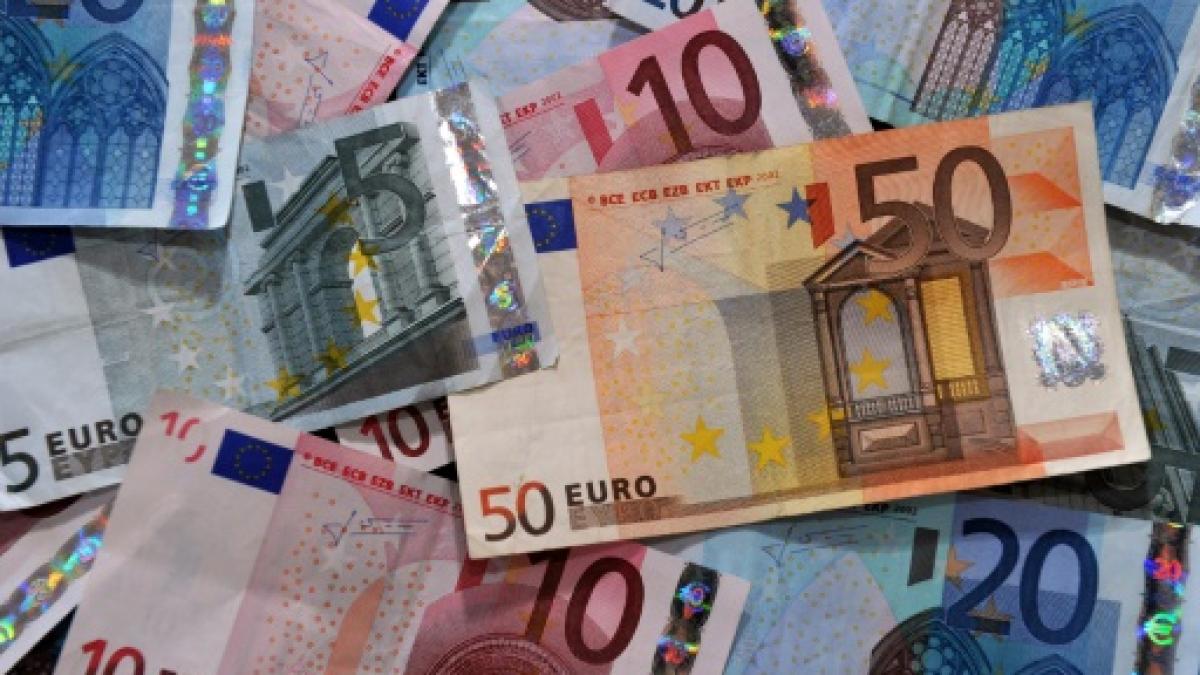
The Appeal of Buying Fakes
Buying fakes is mostly driven by a number of essential motivators, including expense, ease of access, status enhancement, and social impact.
1. Cost Efficiency
- Affordability: Fakes supply customers with the opportunity to own products that are otherwise out of financial reach. A high-end purse that retails for ₤ 3,000 might be reproduced and cost a portion of the rate, making it appealing for individuals on a limited budget.
- Viewed Value: Consumers might feel they are getting the very same quality and appearance as a high-end item without the hefty cost, which is enticing for lots of.
2. Sociocultural Factors
- Status and Identity: For numerous, buying high-end brands signifies wealth, success, or social status. Fakes allow people to predict a particular image without the financial burden, aligning with their wanted identity.
- Peer Influence: Social circles can play a significant function in motivating the purchase of fakes. Patterns typically circulate within neighborhoods, leading people to do the same for worry of being socially ostracized.
3. Accessibility and Convenience
- E-commerce Platforms: The rise of e-commerce, especially marketplaces like Alibaba, eBay, and social networks platforms, has actually made counterfeit products more accessible than ever. Consumers can quickly browse and purchase fakes from the convenience of their homes.
- Worldwide Distribution: Counterfeit goods are readily available worldwide, enabling access to products that might not be locally offered.
Types of Fake Products
When going over counterfeit goods, it’s necessary to understand that not all fakes are created equivalent. The following classifications generally encapsulate the types of counterfeit products offered:
A. Fashion Items
- Clothes and Accessories: Imitations of designer garments, shoes, and accessories prevail in the market.
- High-end Handbags: Replicated high-end bags frequently bring in considerable attention due to their recognizable branding.
B. Electronics
- Tech Gadgets: Counterfeit electronic devices, consisting of smartphones and devices, are common, often marketed as premium brands at a lower cost.
- Software: Pirated software application licenses and applications can likewise fall under the umbrella of counterfeit products.
C. Cosmetics and Personal Care
- Skincare and Makeup: Counterfeit cosmetics can be particularly concerning due to security risks and regulative problems connected with ingredients.
The Risks of Buying Fakes
While the attraction of counterfeit products can be strong, possible buyers need to consider the accompanying dangers.
1. Legal Consequences
- Copyright Theft: Purchasing counterfeit goods violates intellectual home laws, and consumers may be penalized depending upon regional legislation.
- Seizure Actions: In some countries, law enforcement firms have the authority to take counterfeit items and impose fines on people caught buying them.
2. Ethical Implications
- Assistance of Criminal Enterprises: The counterfeit market is frequently related to the mob, and customer participation can inadvertently support dishonest practices and exploitation.
- Effect On Genuine Brands: The expansion of fakes weakens legitimate services, adversely impacting their profits and brand integrity.
3. Safety and Quality Concerns
- Substandard Quality: Often, counterfeit items do not meet the quality requirements of genuine items, which can result in regular frustration.
- Health Risks: This is particularly true for cosmetics and electronics, which may consist of harmful active ingredients or faults that position security risks.
Purchasing Fakes: A Concluding Perspective
The practice of purchasing counterfeit products is a complicated issue intertwined with economic, social, and ethical considerations. While enticing for numerous due to cost and access to high-end aesthetics, the negative effects reveal the darker side of this customer behavior. In a world where authenticity is significantly valued, comprehending the dangers and implications of buying fakes is essential.
Before making a purchase, individuals must examine their inspirations, the potential legal and ethical implications, and eventually decide what best aligns with their values and monetary integrity.
Frequently Asked Questions (FAQs)
Q1: Are counterfeit goods prohibited all over?
A1: The legality of counterfeit goods differs by country. While some nations enforce strict laws against their sale and distribution, others may have more lenient guidelines.
Q2: How can I recognize counterfeit products?
A2: Look for indicators such as poor craftsmanship, misspellings on labels, and cost disparities that appear too good to be real. Researching genuine brand names can also aid in recognition.
Q3: What should I do if I unwittingly purchase a fake product?
A3: If you find that you have bought a counterfeit product, think about reaching out to the seller for a refund if possible. You might also report the item to regional customer protection companies.
Q4: Are there any advantages to buying fakes?
A4: While some argue that buying fakes can offer a chance to experience high-end items at a lower cost, it is imperative to weigh these perceived benefits versus the legal, ethical, and hochwertige fäLschungen health risks included.
Q5: How can I support ethical consumerism?
A5: Supporting ethical consumerism includes acquiring from reputable brand names, promoting for openness in the supply chain, and motivating accountable company practices within your community.
By seriously taking a look at the impulse to buy fakes, customers can make educated choices that eventually add to a more ethical and sustainable marketplace.