

best-home-exercise-equipment1577
best-home-exercise-equipment1577
20 Fun Informational Facts About Stationary Bicycle
The Benefits and Features of Stationary Bicycles
Stationary bicycles, often called stationary bicycle or spinning bikes, have actually gotten substantial popularity as a preferred equipment for indoor cycling exercises. With the growing focus on fitness and healthy living, the stationary bicycle is a flexible and effective option that caters to various audiences– consisting of fitness enthusiasts, newbies, and rehabilitation clients. This post explores the myriad advantages of stationary bicycles, crucial features to think about when acquiring one, and some typical questions about their usage.
Advantages of Stationary Bicycles
Using a stationary bicycle comes with many fitness benefits, consisting of:
- Convenient Workouts: Stationary bicycles allow individuals to exercise from the convenience of their homes, eliminating the need for a gym subscription or time-consuming travel.
- Cardiovascular Health: Regular cycling is an exceptional method to enhance cardiovascular fitness, adding to a much healthier heart and lungs.
- Low Impact Exercise: Unlike running or jogging, cycling is a low-impact exercise, making it ideal for people of any ages and fitness levels, including those with joint problems or injuries.
- Weight Management: Regular workouts can aid in burning calories, making it easier to handle weight and improve body composition.
- Muscle Strengthening: Stationary bicycles mainly work the muscles in the legs, including quadriceps, hamstrings, and calves. They can also engage the core muscles to a specific extent.
- Flexibility of Workouts: Users can change the intensity of their exercises by altering resistance levels, making it simple to cater exercises to individual fitness goals.
Key Features to Consider When Purchasing a Stationary Bicycle
When shopping for a stationary bicycle, a number of features should be taken into account to guarantee it suits your needs and preferences:
| Feature | Description |
|---|---|
| Kind of Bike | Select in between upright bicycles, recumbent bicycles, or spin bikes based on convenience and usage. |
| Adjustability | Look for adjustable seats and handlebars that fit your body size for optimum comfort. |
| Resistance Levels | Different bikes provide different resistance choices; guarantee yours can accommodate your fitness level as you advance. |
| Show Monitor | A bike with a clear display screen can track your time, speed, range, and calories burned, boosting your exercise. |
| Connection | Some modern-day stationary bikes featured Bluetooth connection and integration with fitness apps, making tracking your progress easier. |
| Stability and Build Quality | Make sure the bike has a tough frame and non-slip pedals for safe exercises, even during high-intensity sessions. |
| Sound Levels | Sound can be a problem. Look for bikes that operate quietly, specifically if utilized in shared home. |
The Popularity of Stationary Bicycles
The COVID-19 pandemic has actually significantly sped up the trend of home fitness, resulting in a surge in the purchase of stationary bicycles. With lots of fitness centers closed or restricted in capability, more individuals turned to home workouts, and stationary bicycles emerged as an available solution. Moreover, the rise of virtual spin classes and fitness apps has changed indoor biking into an interesting and inspiring experience.
Kinds Of Stationary Bicycles
There are mainly 3 kinds of stationary bike exercise – flibustier.Top, bicycles to consider:
-
Upright Bicycles: These look like standard bicycles and engage core muscles. They appropriate for a range of exercises, consisting of business indoor riding classes.
-
Recumbent Bicycles: Featuring a reclined seating position, these bikes supply back assistance and reduce strain on joints. They are an exceptional choice for older adults or those with pain in the back.
-
Spin Bikes: Designed for high-intensity workouts and simulating road biking, these bikes normally have a much heavier flywheel, permitting increased resistance and a more smooth biking experience.
FAQs about Stationary Bicycles
Q1: How typically should I use a stationary bicycle for reliable workouts?A1: Generally, it’s advised to engage in cardiovascular exercise, consisting of biking, at least 150 minutes a week. This can be broken down into sessions of about 30 minutes, 5 times a week.
Q2: Can stationary bicycles assist with weight loss?A2: Yes, stationary bicycles can aid with weight-loss when combined with a well balanced diet. An efficient cycling session can burn a substantial number of calories, helping in producing a calorie deficit.
Q3: What resistance setting should I use when cycling?A3: It depends on your fitness level and goals. Newbies must start with low resistance to establish endurance, while advanced users can increase resistance for a more difficult workout.
Q4: Do I require an unique bike for spin classes?A4: While some stationary bikes are specifically created for spin classes, you can utilize other types as long as they include an excellent training program and a comfortable ride.
Q5: How can I ensure proper posture while riding?A5: Adjust your seat height so that your knees are a little bent at the bottom of the pedal stroke. Keep your back straight and unwinded while preventing excessive leaning.
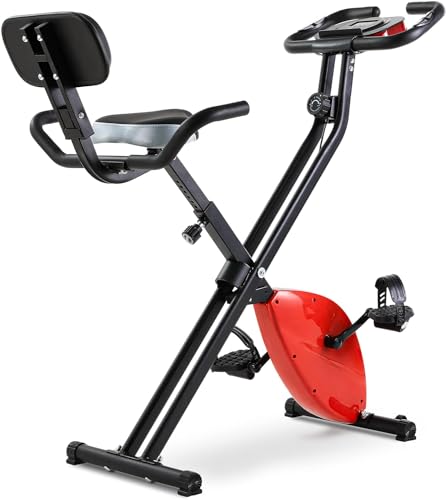
The stationary bicycle is a powerful fitness tool that offers a series of benefits– from cardiovascular improvement to muscle fortifying– all within the comfort of one’s home. With various types of bikes available and includes to enhance the user experience, people can easily find a design that fits their specific requirements. As fitness continues to trend upwards in importance, the stationary bicycle remains a traditional option for all fitness levels.
By comprehending the advantages, features, and operational aspects of stationary bicycles, consumers can make informed decisions that will result in much healthier lifestyles. Including biking into a regular fitness routine might be the stepping stone lots of require to accomplish their health and health objectives.