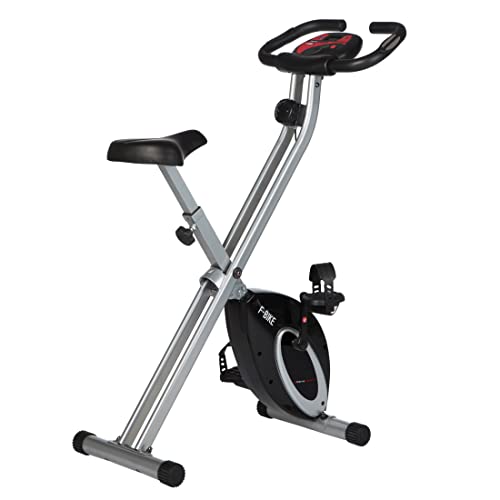
stationary-bikes-exercise-bikes8146
stationary-bikes-exercise-bikes8146
15 Trends To Watch In The New Year Stationary Bike
The Comprehensive Guide to Exercise Bikes: Benefits, Types, and FAQs
Exercise bikes have become a staple in both industrial health clubs and home fitness environments, providing people a reliable method to engage in cardiovascular activity. With an increasing focus on fitness and health, exercise bikes can accommodate a range of personal objectives, from weight loss to endurance training.
Advantages of Using an Exercise Bike
Utilizing an exercise bike supplies various benefits, attracting a broad variety of users, from seasoned professional athletes to beginners wanting to get fit.
1. Cardiovascular Health
Routine cardiovascular exercise is essential for preserving heart health. Riding an exercise bike enhances the heart, increases lung capacity, and improves total blood circulation.
2. Low Impact
Compared to other forms of cardio, such as running, biking is lower effect and puts less tension on the joints. This makes it an excellent choice for people with joint issues, injuries, or those recuperating from surgery.
3. Convenience
Exercise bikes enable users to exercise from the convenience of their homes, conserving time and travel expenses related to going to the gym. With various designs, they can also quickly be saved away when not in use.
4. Adjustable Intensity
The majority of stationary bicycle include adjustable resistance settings, enabling users to tailor their workouts according to their fitness levels. This adaptability likewise helps in challenging users as they progress.
5. Versatile Workouts
Exercise bikes cater to different Exercise Bike Review designs, including steady-state rides, high-intensity interval training (HIIT), and even virtual biking classes, offering variety to avoid monotony.
6. Monitoring Progress
Numerous modern-day exercise bikes are geared up with digital screens that track metrics such as heart rate, distance, speed, and calories burned, assisting users set objectives and monitor their progress more efficiently.
Types of Exercise Bikes
When picking a stationary bicycle, it’s important to think about the different types readily available, as each deals distinct features and benefits.
| Kind Of Exercise Bike | Description | Ideal For |
|---|---|---|
| Upright Bikes | Standard bike designs with seat positioned like a road bike. | General fitness, biking training, and calorie burning. |
| Recumbent Bikes | Seats are wider and sit lower to the ground for back assistance. | Users with back problems, minimal movement, or those looking for comfort. |
| Spin Bikes | Tougher frames with minimal functions, suitable for high-intensity workouts. | Cyclists looking for a gym-like experience in your home or high-intensity bicyclists. |
| Dual Action Bikes | To duplicate upper body and lower body workouts. | Those looking to maximize calorie burning and engage multiple muscle groups. |
| Air Bikes | Utilize a fan to create resistance; the more difficult you pedal, the more resistance you deal with. | Advanced users looking for extreme, full-body exercises. |
Selecting the Right Exercise Bike
Choosing the very best exercise bike needs cautious factor to consider of several aspects:
1. Budget
- Determine your budget plan variety. Exercise bikes can be found in differing cost ranges; understanding your limit can assist narrow down choices.2. Space
- Measure the area where you prepare to position the bike. Consider collapsible options if area is an issue.3. Features
- Look for features that fulfill your requirements, such as Bluetooth connectivity, adjustable pedals, built-in exercises, and ergonomic seat options.4. Comfort
- Test the bike before buying if possible, taking notice of seat convenience, handlebar positioning, and adjustability to find the best fit.5. Evaluations and Recommendations
- Research online evaluations and seek recommendations from good friends or experts. User experiences can supply important insights into the performance and sturdiness of the bike.Keeping Your Exercise Bike
To ensure durability and optimal performance, routine maintenance of the exercise bike is necessary:
-
Check Bolts and Levels:Regularly examine if all screws, bolts, and leveling feet are securely protected.
-
Clean Regularly:Wipe down any sweat or grime on the bike post-workout to avoid corrosion.
-
Lube Moving Parts:Depending on the model, produce a regular lubrication schedule to avoid wear and tear.
-
Monitor Cables:For bikes with resistance cable televisions, guarantee they are undamaged and working.
Frequently asked questions
Q: How long should I ride a stationary bicycle for optimum benefit?
A: Aim for at least 150 minutes of moderate-intensity aerobic activity each week, gotten into sessions of about 30 minutes.
Q: Can I slim down with a stationary bicycle?
A: Yes, when combined with a healthy diet plan, using a stationary bicycle can help in weight-loss by burning calories.
Q: What’s the distinction in between a recumbent and upright bike?
A: Recumbent bikes provide back assistance and a more reclined position, lowering pressure on the back and joints, while upright bikes simulate standard cycling positions.
Q: Are stationary bicycle appropriate for seniors?
A: Yes, especially recumbent bikes, as they provide a comfortable, low-impact exercise for senior citizens.
Q: What should I wear while exercising on a bike?
A: It is recommended to use comfortable exercise clothes and encouraging athletic shoes for maximum efficiency.
Stationary bicycle stay a popular choice among fitness enthusiasts for their various health benefits, variety in workout styles, and versatility to different fitness levels. Understanding the different types offered and how to pick the finest fit will empower individuals to attain their fitness objectives efficiently. Whether for weight reduction, cardiovascular health, or just delighting in a quality workout, an exercise bike can be an important addition to anybody’s fitness program.