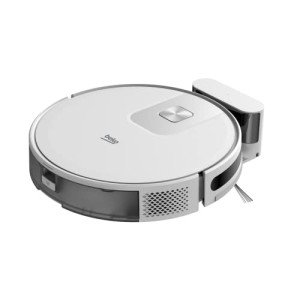
robot-vacuum-and-mop-uk1816
robot-vacuum-and-mop-uk1816
15 Best Robot Vacuum Cleaner Bloggers You Must Follow
The Rise of the Autonomous Cleaner: A Deep Dive into Robot Vacuum Cleaners
In today’s fast-paced world, performance and benefit are critical. As technology advances, it perfectly weaves its way into our lives, automating tasks and maximizing precious time. One such innovation that has revolutionized household chores is the robot vacuum cleaner. These intelligent gadgets have moved beyond novelty gadgets, becoming essential tools for maintaining tidy homes with minimal effort.
Robot vacuum are no longer a futuristic dream; they are a concrete truth, readily available and significantly sophisticated. They represent a substantial shift in how we approach cleaning, allowing us to reclaim our weekends and evenings from the drudgery of vacuuming. This article digs into the world of robot vacuum cleaners, exploring their inner workings, the various types offered, the advantages they offer, and the crucial considerations when choosing the right one for your home.
How Do These Little Cleaning Robots Work?
At their core, robot vacuum cleaners are marvels of engineering, combining different innovations to navigate and tidy autonomously. They are essentially mini, self-propelled vacuum cleaners equipped with sensing units, motors, and advanced software. While models differ in complexity, the fundamental principles remain constant:
-
Navigation and Mapping: Early robot vacuums depended on bump-and-go navigation, arbitrarily bouncing around till the whole floor was covered. Modern versions are much more intelligent. Many utilize advanced technologies such as:
- Infrared Sensors: These sensors detect obstacles and walls, enabling the robot to alter direction and avoid collisions.
- Cliff Sensors: Located on the underside, these sensing units avoid the robot from falling down stairs or off ledges.
- Gyroscopes and Accelerometers: These internal sensing units track the robot’s movement and orientation, enhancing navigation precision.
- Visual Simultaneous Localization and Mapping (vSLAM): Higher-end designs make use of electronic cameras and sophisticated algorithms to develop a map of the home in real-time. This permits methodical cleaning paths and targeted cleaning.
- LiDAR (Light Detection and Ranging): Another advanced mapping technology using laser beams to produce highly precise maps of the environment. LiDAR-equipped robotics are frequently more effective in low-light conditions.
-
Suction and Cleaning Systems: Just like conventional vacuum cleaners, robot vacuums use suction to lift dust, dirt, and debris from floorings. They usually feature:
- Main Brushroll: A rotating brush roll at the bottom agitates carpets and sweeps particles towards the suction inlet. Some models have actually specialized brush rolls for different floor types.
- Side Brushes: These extend out to clean along edges and corners, efficiently sweeping particles into the course of the main brushroll.
- Suction Motor: The power of the suction motor determines the cleaning efficiency, particularly on carpets and for pet hair. Suction power is frequently determined in Pascals (Pa).
- Filtering Systems: Most robot vacuums use filters to trap dust and allergens, enhancing air quality. HEPA filters are especially effective at recording great particles.
-
Battery and Charging: Robot vacuums are powered by rechargeable batteries, normally Lithium-ion. Battery life varies depending on the model and settings, ranging from 60 to 120 minutes or more on a single charge. When the battery is low, or after completing a cleaning cycle, the majority of robotics instantly return to their charging dock.
A Spectrum of Cleaning Capabilities: Types of Robot Vacuum Cleaners
The market for robot vacuum cleaners is varied, using models with varying features and price points to accommodate various needs and budgets. Here are some typical classifications:
-
Basic Robot Vacuums: These entry-level designs concentrate on core cleaning functionality. They usually feature bump-and-go navigation, standard suction, and timers for scheduled cleaning. They are perfect for smaller homes or those new to robot vacuum technology.
-
Smart Mapping Robot Vacuums: Equipped with vSLAM or LiDAR, these robots develop detailed maps of your home. This enables methodical cleaning patterns, room-by-room cleaning, “no-go zones” that you can define in an app, and even targeted spot cleaning. They are substantially more effective and thorough than standard designs.
-
Robot Vacuum and Mop Combos: These versatile devices integrate vacuuming and mopping functionalities. They generally have a water tank and a mopping pad accessory. While they might not replace dedicated mops for deep cleaning, they are exceptional for maintaining tough floors and light mopping.
-
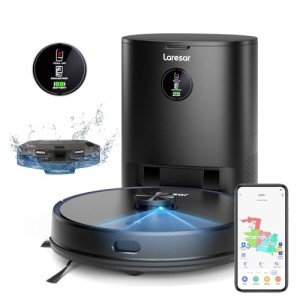
Self-Emptying Robot Vacuums: A game-changer for benefit, self-emptying robotics go back to a docking station that not only charges them but also immediately empties their dustbin into a larger, sealed container. This substantially reduces the frequency of manual dustbin emptying, typically long lasting weeks and even months.
-
Pet-Specific Robot Vacuums: Designed to deal with pet hair effectively, these designs typically feature more powerful suction, tangle-free brush rolls, and improved filtering to record allergens and pet dander.
The Plethora of Perks: Benefits of Robot Vacuum Cleaners
The popularity of robot vacuum cleaners comes from the many advantages they use, significantly streamlining home cleaning regimens:
-
Time Savings: Perhaps the most substantial benefit is the time saved. best robot vacuum cleaner (www.Gerryumphress.Top) vacuums handle floor cleaning autonomously, maximizing your time for more enjoyable activities or other essential tasks.
-
Convenience and Automation: Set a cleaning schedule, and your robot vacuum will immediately clean your floors, even when you are away from home. This simple and easy cleaning contributes to a regularly cleaner home environment.
-
Consistent Cleaning: Robot vacuums can clean up more frequently than manual vacuuming, preserving a greater level of cleanliness. Routine, automatic cleaning can avoid dirt and dust buildup, specifically in hectic households.
-
Pet Hair Management: For pet owners, robot vacuums are vital. They effectively take on pet hair on numerous floor types, minimizing allergens and keeping homes cleaner. Pet-specific models are especially adept at this task.
-
Reaching Under Furniture: Their low profile enables robot vacuums to clean under beds, sofas, and other furnishings, locations frequently missed out on with traditional vacuums.
-
Smart Home Integration: Many modern robot vacuums can be managed by means of mobile phone apps and integrated with smart home communities like Alexa or Google Assistant, providing voice control and advanced scheduling choices.
Browsing the Selection Process: Factors to Consider When Choosing
Choosing the ideal robot vacuum requires careful factor to consider of your individual requirements and home environment. Here are essential elements to examine:
-
Budget: Robot vacuum costs vary substantially based upon functions and brand. Identify your budget plan and prioritize features that are most essential to you.
-
Home Size and Layout: Larger homes with intricate designs gain from smart mapping robotics with longer battery life. Smaller homes may be adequately served by fundamental designs.
-
Floor Types: Consider the types of floor covering in your house. Homes with mostly hard floors may focus on mopping capabilities, while carpeted homes will require stronger suction and effective brush rolls.
-
Functions and Functionality: Think about desired features like:
- Navigation System: Bump-and-go vs. smart mapping (vSLAM or LiDAR).
- Suction Power: Consider your floor types and pet ownership requirements.
- Battery Life: Ensure it’s adequate to clean your entire home on a single charge.
- Self-Emptying Bin: For optimum benefit.
- Mopping Functionality: If you wish to combine vacuuming and mopping.
- Smart Features: App control, scheduling, virtual walls, room-by-room cleaning, voice control.
-
Pet Ownership: If you have animals, prioritize designs designed for pet hair, with strong suction, tangle-free brush rolls, and effective filtering.
-
Sound Level: Robot vacuums do produce noise. Check noise levels if you are particularly conscious sound or prepare to run the vacuum while in the house.
Maintaining Your Autonomous Assistant: Care and Upkeep
To guarantee your robot vacuum operates efficiently and lasts longer, routine upkeep is vital:
-
Empty the Dustbin Regularly: Even self-emptying models need periodic emptying of the base station container. For non-self-emptying designs, empty the dustbin after each cleaning cycle or as needed.
-
Tidy the Brush Rolls and Side Brushes: Hair, particles, and threads can build up on the brushes. Frequently eliminate and clean them to maintain optimal cleaning efficiency.
-
Change Filters Periodically: Filters need to be replaced according to the producer’s recommendations to keep reliable purification and suction.
-
Clean Sensors: Wipe sensors with a soft, dry cloth to make sure accurate navigation and obstacle detection.
-
Check for Obstructions: Before running the robot, clear any small items, cables, or loose rugs that might get tangled in the brushes or obstruct the robot’s course.
The Future is Autonomous Cleaning
Robot vacuum cleaner technology is constantly evolving. We can expect to see more developments in navigation, cleaning power, synthetic intelligence, and combination with smart home systems. Future robots might be a lot more personalized, finding out cleaning preferences, adjusting to different floor types immediately, and even determining and preventing specific obstacles.
Conclusion: Embracing the Convenience of Robot Vacuums
Robot vacuum cleaners have actually transformed the landscape of home cleaning, providing extraordinary benefit, time savings, and consistent cleanliness. From standard designs to advanced smart mapping robotics with self-emptying abilities, there is a robot vacuum to suit every home and lifestyle. By comprehending their features, advantages, and maintenance requirements, you can choose the perfect autonomous cleaner to streamline your life and delight in a regularly cleaner home with very little effort. Welcome the future of cleaning and let a robot vacuum reclaim your time and simplify your chores.
Frequently Asked Questions (FAQs) about Robot Vacuum Cleaners
Q1: Are robot vacuum as effective as traditional vacuums?
A: Modern robot vacuums, particularly higher-end designs, can be really reliable at cleaning numerous floor types. While they might not have the raw power of some high-end upright vacuums for deep cleaning heavy carpets, they excel at day-to-day maintenance cleaning and are frequently enough for many household requirements, specifically on tough floors and low-pile carpets.
Q2: How long do robot vacuum last?
A: The lifespan of a robot vacuum depends on the brand, design, usage, and maintenance. Generally, you can expect a good quality robot vacuum to last for 3-5 years and even longer with appropriate care. Battery life is a crucial aspect, and batteries might need replacement after a few years.
Q3: Can robot vacuum cleaners damage furnishings or walls?
A: Most modern robot vacuums have sensors to detect obstacles and avoid crashes. However, it’s still suggested to clear mess and fragile objects from the robot’s course. Some models enable you to establish virtual walls or no-go zones to prevent them from going into particular locations.
Q4: Are robot vacuum noisy?
A: Robot vacuums do produce noise, but typically, they are quieter than conventional upright vacuums. Sound levels vary between models and suction settings. Look for designs with lower decibel rankings if noise is an issue.
Q5: Can robot vacuum cleaners tidy pet hair successfully?
A: Yes, lots of robot vacuums are created particularly for pet hair and are extremely effective at choosing it up from various floor types. Try to find designs with strong suction, tangle-free brush rolls, and HEPA filters to trap pet allergens.
Q6: Do I still need a routine vacuum if I have a robot vacuum?
A: For most homes, a robot vacuum can substantially lower the need for regular vacuuming. However, you may still need a standard vacuum for area cleaning, deep cleaning carpets, or cleaning furniture and upholstery, depending on your particular cleaning requirements.
Q7: How much do robot vacuum cost?
A: Prices vary widely, varying from under ₤ 200 for fundamental designs to over ₤ 1000 for high-end designs with advanced functions like smart mapping, self-emptying, and mopping.
Q8: Are robot vacuum worth the investment?
A: For lots of people, the convenience and time savings offered by robot vacuum make them a rewarding investment. They are especially beneficial for hectic individuals, families with family pets, and those who desire to preserve a regularly clean home with very little effort.