

scooters-for-sale-near-me2820
scooters-for-sale-near-me2820
20 Questions You Should Ask About Mobility Scooters Before You Buy Mobility Scooters
Navigating the World of Mobility Scooters: A Comprehensive Guide
In a period where mobility is progressively acknowledged as a basic aspect of quality of life, the demand for assistive devices has risen. Among these, mobility scooters stand out as a flexible and empowering alternative for people with mobility difficulties. This thorough guide explores the world of mobility scooters, offering insights into their types, benefits, acquiring considerations, and upkeep ideas.
Understanding Mobility Scooters
Mobility scooters are motorized lorries developed to help people with mobility issues in moving around more easily and separately. They are particularly helpful for those who find strolling hard due to conditions such as arthritis, numerous sclerosis, or post-surgical healing. Unlike manual wheelchairs, mobility scooters require very little physical effort, making them an outstanding choice for extended use.
Types of Mobility Scooters
-
Three-Wheel Scooters
- Pros: More maneuverable, lighter, and much easier to store.
- Cons: Less stable on rough surface.
- Best For: Indoor and smooth outside surface areas.
-
Four-Wheel Scooters
- Pros: More steady, much better on rough terrain, and can carry heavier loads.
- Cons: Bulkier and less maneuverable.
- Best For: Outdoor usage, specifically in parks and on unequal surface areas.
-
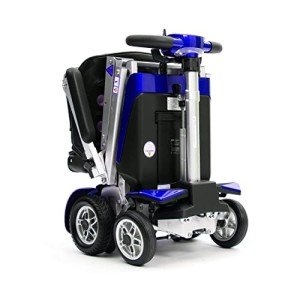
Portable Scooters
- Pros: Lightweight, foldable, and easy to transportation.
- Cons: Limited range and speed.
- Best For: Travel and occasional use.
-
Sturdy Scooters
- Pros: Built to handle heavier users and rugged environments.
- Cons: More expensive and less portable.
- Best For: Users over 300 pounds or those who require to browse rough surface.
-
Standing Scooters
- Pros: Provide a standing position, which can be useful for users who can not sit for long periods.
- Cons: Limited stability and variety.
- Best For: Users who choose standing and need short-distance assistance.
Benefits of Mobility Scooters
-
Boosted Independence
- buy mobility scooter scooters enable users to take a trip longer ranges without fatigue, allowing them to take part more completely in day-to-day activities and gatherings.
-
Improved Safety
- With functions like safety belt, anti-tip wheels, and brake systems, mobility scooters provide a more secure option to manual wheelchairs and strolling help.
-
Convenience and Support
- Adjustable seats, back-rests, and armrests make sure a comfy trip, minimizing the stress on the user’s body.
-
Cost-Effective
- While the preliminary financial investment can be significant, mobility scooters are often more affordable in the long run compared to regular taxi trips or specialized transport services.
-
Social Inclusion
- Mobility scooters help with greater social interaction by allowing users to take part in community activities and preserve a more active lifestyle.
Factors to Consider When Buying a Mobility Scooter
-
User Needs and Abilities
- Evaluate the user’s physical condition, mobility requirements, and everyday activities to determine the most appropriate kind of scooter.
-
Size and Weight Capacity
- Make sure the scooter can accommodate the user’s size and weight comfortably and securely.
-
Range and Speed
- Think about the normal range and speed required for daily usage. Some scooters have a series of up to 30 miles on a single charge.
-
Mobility
- If travel is a priority, select a portable scooter that can be quickly dismantled and transferred.
-
Upkeep and Support
- Select a trusted maker that provides trusted client service and upkeep assistance.
-
Budget
- Set a budget plan and check out options that offer the best worth for money. Consider funding options and possible insurance protection.
Maintenance Tips for Mobility Scooters
-
Routine Cleaning
- Tidy the scooter frequently to avoid dirt and particles from impacting its performance. Use a soft cloth and moderate detergent.
-
Battery Maintenance
- Follow the manufacturer’s standards for battery charging and maintenance. Routinely examine the battery level and avoid deep discharges.
-
Tire Inspection
- Inspect the tires for wear and appropriate inflation. Change or fix as needed to ensure a smooth and safe ride.
-
Lubrication
- Lubricate moving parts such as the chain and gears to decrease friction and avoid wear.
-
Expert Servicing
- Arrange regular expert servicing to address any issues and make sure the scooter stays in ideal condition.
FAQs About Mobility Scooters
-
Are mobility scooters covered by insurance?
- Some insurance coverage plans, including Medicare, might cover the expense of mobility scooters under particular conditions. Contact your service provider for specific details.
-
Can I use a mobility scooter indoors?
- Yes, lots of mobility scooters are created for both indoor and outside usage. Make sure the scooter is ideal for the type of surfaces you will be navigating.
-
How quick can mobility scooters go?
- The speed differs by design, however many mobility scooters have an optimal speed of 4 to 8 miles per hour.
-
Do I need a license to run a mobility scooter?
- In many countries, a license is not needed to run a mobility scooter. Nevertheless, it is essential to follow regional guidelines and traffic laws.
-
Can I travel with a mobility scooter?
- Lots of mobility scooters are developed to be portable and can be dismantled for travel. Check with airlines and transportation suppliers for particular requirements.
Mobility scooters are a transformative tool for people with mobility challenges, offering a blend of self-reliance, safety, and comfort. By comprehending the different types of scooters, thinking about crucial acquiring aspects, and following maintenance best practices, users can take advantage of their mobility scooter and lead a more active and satisfying life. Whether for day-to-day commutes or leisurely outings, a well-chosen mobility scooter can be an important buddy on the journey to boosted mobility and lifestyle.