window-seal-repair7982
window-seal-repair7982
What’s The Current Job Market For Condensation In Windows Professionals Like?
Understanding Condensation in Windows: Causes, Consequences, and Solutions
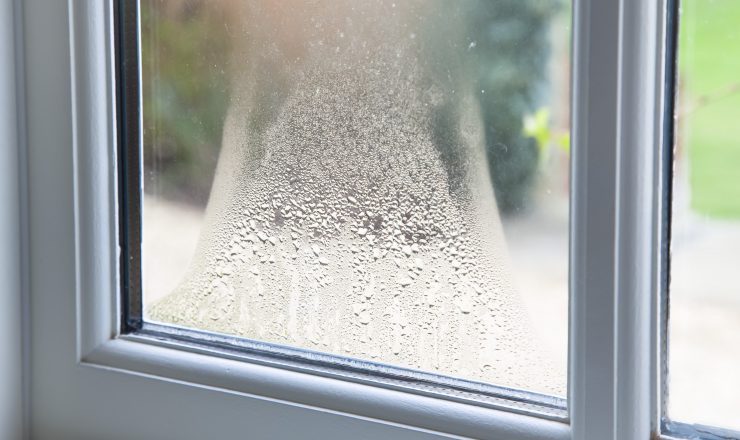
Condensation on windows is a typical sight, specifically throughout chillier months. While it can be a nuisance, comprehending its causes, implications, and solutions is important for property owners. This article dives deep into the phenomenon of condensation, discussing its impacts on window health and indoor air quality, while also providing actionable recommendations to mitigate the issue.
What Causes Condensation?
Condensation takes place when warm, damp air enters into contact with a cooler surface area, resulting in the change of vapor into liquid water. Several aspects add to this typical event:

- Temperature Differences: The most substantial factor is the temperature differential between the indoor air (which can hold more moisture) and the cooler window surface areas.
- Humidity Levels: High levels of indoor humidity, often from cooking, bathing, and even plants, can raise moisture in the air.
- Insulation Quality: Poorly insulated windows or frames can result in uneven temperature levels, making them vulnerable to condensation.
- Air Circulation: Stagnant air near windows prevents moisture from distributing.
- Weather Conditions: External temperature levels impact indoor conditions; throughout winter season, cold air outside causes a remarkable drop in window temperature levels.
| Aspect | Description |
|---|---|
| Temperature level Differential | Warm air meets cold window surfaces, causing condensation. |
| Humidity Levels | Elevated indoor humidity from everyday activities or environmental elements. |
| Insulation Quality | Poor insulation results in cooler window surface temperatures. |
| Air Circulation | Stagnant air traps moisture near the window. |
| Weather | External cold weather effects indoor temperature levels and humidity. |
Repercussions of Window Condensation
1. Damage to Windows and Frames
Extended condensation can cause issues such as:
- Mold Growth: Moist environments promote mold, which can damage window seals and frames.
- Deterioration: Excess moisture can rot wood frames or rust metal parts.
- Glass Distortion: Over time, built up moisture can affect the stability of window Glass Repair.
2. Indoor Air Quality Concerns
Condensation can add to:
- Poor Air Quality: High humidity levels help with dust termites and irritants.
- Respiratory Issues: Mold and mildew can exacerbate allergies and breathing conditions.
3. Increased Energy Costs
Condensation typically symbolizes poor insulation, resulting in:
- Higher Heating Bills: Inefficient windows can result in heat loss, raising energy costs.
Avoidance and Solutions
To handle and avoid condensation In Windows on windows, think about the following strategies:
1. Control Indoor Humidity
- Use Dehumidifiers: Operate dehumidifiers in moisture-prone locations (like bathroom and kitchens) to preserve optimum humidity levels (30-50%).
- Aerate Your Home: Use exhaust fans during cooking and bathing, and keep windows open when weather condition allows.
2. Improve Insulation
- Update Windows: Double or triple-pane windows provide much better insulation than single-pane units.
- Insulate Frames: Ensure Window Moisture Removal frames have proper weather condition removing and insulation to prevent cold air intrusion.
3. Enhance Air Circulation
- Keep Curtains Open: Allow warm air to flow around windows; avoid heavy drapes that trap moisture.
- Usage Ceiling Fans: Circulate air successfully, particularly in spaces with high humidity.
4. Screen Indoor Temperature
- Heat Strategically: Maintaining a constant indoor temperature level can reduce temperature differentials on window surface areas.
- Avoid Extreme Temperatures: Ensure warm air is distributed evenly throughout your home.
5. Window Treatments
- Set Fogged Up Windows Storm Windows: These provide an extra layer of insulation.
- Use Window Films: Reflective films can help to lower temperatures on Misted Window Repair Cost surface areas.
6. Routine Maintenance
- Check Windows Regularly: Check for fractures and sealant wear and tear.
- Get rid of Condensation: Wipe down windows regularly to avoid mold and mildew growth.
FREQUENTLY ASKED QUESTION: Addressing Common Concerns about Window Condensation
Q1: What is the ideal humidity level indoors?
A: condensation in windows Ideally, indoor humidity must be preserved at 30-50% to prevent condensation and promote total convenience.
Q2: Is condensation on the inside of windows worse than on the exterior?
A: Yes, condensation inside shows high indoor humidity, which may cause mold growth and structural damage. Outdoors condensation usually isn’t a concern.
Q3: How can I tell if my windows are badly insulated?
A: Signs include noticeable drafts, condensation accumulation, and increased energy costs throughout heating months.
Q4: Can I fix condensation concerns without replacing my windows?
A: Yes, many concerns can be reduced through enhanced humidity control, insulation, and air circulation.
Q5: Are there any DIY solutions for avoiding window condensation?
A: Simple strategies such as utilizing dehumidifiers, ensuring appropriate ventilation, and using weather condition removing can be reliable.
Window condensation is a typical problem that numerous house owners face. Comprehending its causes and repercussions is vital for maintaining a healthy indoor environment. Through efficient management strategies– controling humidity, improving insulation, and boosting air blood circulation– property owners can minimize the possibility of condensation and its associated concerns. By taking proactive actions, one can secure their windows, enhance air quality, and minimize energy expenses, causing a much healthier and more comfortable home environment.