

dry-storage-containers2393
dry-storage-containers2393
Ten Easy Steps To Launch The Business You Want To Start Shipping Containers Business
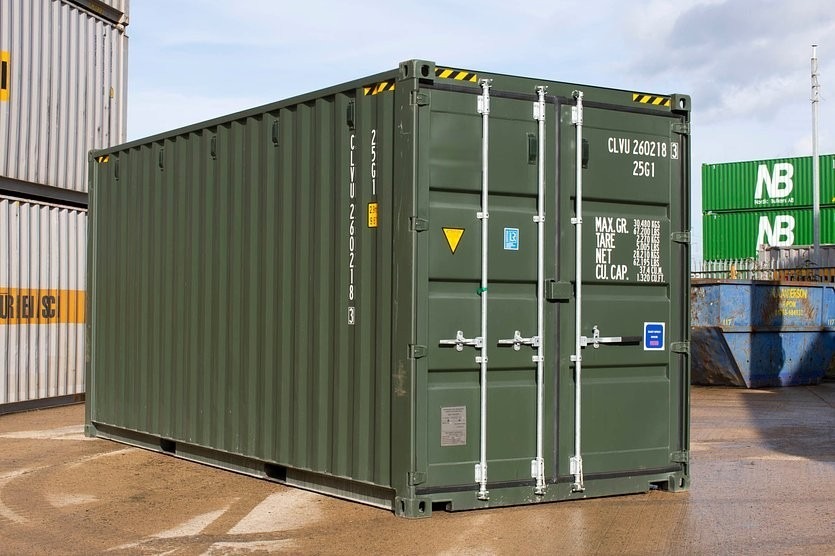
The Versatile World of Shipping Containers: More Than Just Cargo Carriers
Shipping containers are typically viewed as ordinary metal boxes that facilitate global trade. Nevertheless, their adaptability extends far beyond transporting products throughout oceans. From ingenious housing solutions to pop-up stores and even art setups, shipping containers are transforming different markets. This blog post explores the diverse applications of shipping containers, supplying insights into their use, advantages, and the future potential they hold.
The Basics of Shipping Containers
Shipping containers were developed in the mid-20th century to enhance international shipping. Offered in standard sizes– most typically 20-foot and 40-foot– they have actually ended up being the backbone of international trade.
Table 1: Common Shipping Container Dimensions
| Container Type | Length (ft) | Width (ft) | Height (ft) | Typical Volume (cu ft) |
|---|---|---|---|---|
| Standard | 20 | 8 | 8.5 | 1,169 |
| High Cube | 40 | 8 | 9.5 | 2,694 |
| Basic | 40 | 8 | 8.5 | 2,390 |
| High Cube | 20 | 8 | 9.5 | 1,350 |
These dimensions make them ideal for numerous uses aside from traditional shipping.
Diverse Applications of Shipping Containers
1. Housing and Modular Construction
Among the most amazing advancements in shipping container usage is their adjustment for housing. Compact, durable, and reasonably low-cost, they provide unique solutions to the housing crisis.
- Cost: Compared to traditional structure methods, constructing homes with shipping containers can lower expenses by 20-30%.
- Sustainability: By recycling old containers, contractors can create low-impact homes that lessen waste.
- Speed of Construction: Container homes can be developed quickly, frequently within weeks, thanks to their modular nature.
List of Container Home Features
- Energy effectiveness (solar panels, effective insulation)
- Customizability (layout, styles)
- Mobility (quickly transferred)
- Resilience (resilient under severe weather condition)
2. Retail and Pop-Up Shops
Shipping containers are ending up being progressively popular as retail areas. They can be transformed into pop-up stores, food stalls, or even irreversible retailers. This pattern is especially noted in metropolitan areas where space is important.
- Flexibility: They can be placed essentially anywhere, targeting high-traffic areas.
- Branding: Unique container styles can boost a brand name’s image, drawing in consumers.
- Cost-effectiveness: Lower overhead costs make it simpler for small companies to go into the marketplace.
Table 2: Advantages of Shipping Containers in Retail
| Advantage | Description |
|---|---|
| Lower rental expenses | More affordable than conventional retail spaces |
| Brief setup time | Quick setup enables fast entry |
| Personalization options | Easy to customize for branding requirements |
| Eco-friendly option | Utilizes recycled materials |
3. Disaster Relief and Emergency Shelters
In times of natural catastrophes, shipping containers are increasingly used as short-term shelters. Their durability and weather resistance make them ideal for quick release in crisis situations.
- Fast Deployment: Containers can be carried to affected locations rapidly.
- Resilient: Designed to hold up against harsh conditions, they provide trustworthy shelter.
- Adjustable: Can be modified into different forms of accommodations, from single systems to bigger recreation center.
4. Art Installations and Creative Spaces
Artists have started using shipping containers as canvases and galleries. Their unique shapes and sizes inspire ingenious setups, making them a trendy choice in public and personal art projects.
List of Artistic Applications
- Interactive art setups
- Gallery spaces for exhibits
- Performance venues
- Mobile art studios
Shipping Containers: A Sustainable Choice
The shift towards sustainability can not be neglected. Making use of shipping containers encourages recycling and adaptive reuse, assisting to reduce the carbon footprint associated with standard structure materials. In addition, many container homes and organizations stress energy efficiency through the use of green technologies.
Table 3: Environmental Benefits of Using Shipping Containers
| Advantage | Description |
|---|---|
| Lowered Waste | Recycling old containers reduces landfill use |
| Lower Energy Consumption | Numerous styles concentrate on eco-friendly practices |
| Very Little Resource Use | Needs less new products compared to traditional builds |
Frequently Asked Questions about Shipping Containers
Q1: Can shipping containers be used for long-term housing?
A1: Yes, lots of housing projects utilize shipping containers as long-term residences, particularly in areas facing housing shortages.
Q2: How do shipping containers hold up versus extreme weather condition?
A2: Shipping containers are designed to withstand harsh marine conditions, making them resistant versus extreme weather condition events.
Q3: Are shipping containers safe to use?
A3: Yes, effectively modified Shipping Container Dimensions containers fulfill constructing codes and security requirements. It’s necessary to speak with specialists during the modification process.
Q4: What are the expenses associated with purchasing and customizing a shipping container?
A4: The cost can vary commonly depending upon size, condition, and modifications however generally varies from ₤ 1,500 to ₤ 5,000 for the container itself, with additional costs for modification that can go beyond the preliminary purchase cost.
Q5: Where can I buy shipping containers?
A5: Shipping containers can be bought from specialized dealerships, shipping business, or online markets.

The Future of Shipping Containers
As the world continues to welcome sustainability and ingenious solutions, the potential applications of shipping containers will just grow. Architects, business owners, and neighborhoods are constantly finding new methods to repurpose these as soon as purely utilitarian things.
Shipping containers are not just vessels for transporting products; they are changing living and working areas, cultivating imagination, and paving the way for a more sustainable future. As we continue to develop these solutions, the modest shipping container may really well become a symbol of development in the 21st century.