

mitre-angle-saw8290
mitre-angle-saw8290
5 Killer Quora Answers To Mitter Saw
Understanding the Miter Saw: A Comprehensive Guide
Miter saws are important tools for any woodworking enthusiast or professional carpenter. Likewise called chop saws or drop saws, these effective devices master delivering precise and clean cuts, making them vital for different applications, from producing detailed moldings to building furniture. In this post, we will explore the various types of miter saws, their functionality, functions, benefits, and even upkeep ideas. Furthermore, we will address some regularly asked questions to supply a well-rounded understanding of this vital tool.
What is a Miter Saw?
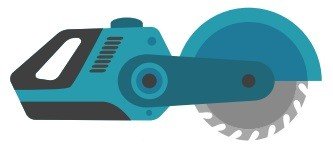
At its core, a miter saw is a power tool used for making accurate crosscuts and miters in a workpiece. The blade is installed on a swing arm that pivots left or right to produce angled cuts. These cuts end up being vital when dealing with trim work, framing, and other woodworking jobs that require precision.
Kinds Of Miter Saws
Miter saws can be found in numerous ranges, each created for specific applications. Below is a table summing up the different types:
| Type of Miter Saw | Description | Best For |
|---|---|---|
| Requirement Miter Saw | Basic design with restricted features. Cuts at different angles, usually up to 45 degrees. | Easy crosscuts and basic angles. |
| Compound Miter Saw | Can tilt to produce bevel cuts, in addition to miter cuts. | Crown molding and more intricate angles. |
| Sliding Compound Miter Saw | Features a sliding system that extends the cut capability. | Broader products, such as bigger boards or doors. |
| Dual Compound Miter Saw | Can tilt both left and right for added versatility in bevel cuts. | More complicated woodworking projects. |
Functions of Miter Saws
When picking a miter saw, it’s essential to consider the functions that will best suit your requirements. Here’s a list of common features to try to find:
-
Blade Size: Typically ranges from 8 to 12 inches. Bigger blades can cut thicker products.
-
Laser Guide: Projects a cutting line on the workpiece for higher precision.
-
Dust Collection System: Helps keep a tidy workspace by collecting debris produced during cuts.
-
Rotating Arm: Allows the saw head to move efficiently and slice at various angles.
-
Bevel Capabilities: Many miter saws can produce both miter and bevel cuts.
-
Table Extensions: Useful for supporting larger workpieces, boosting the tool’s stability.
-
Security Features: Blade guards and Electric Miter Saw brakes to improve user safety.
Advantages of Using a Miter Saw
Miter saws offer numerous advantages that make them a go-to tool for woodworkers. Here are some advantages:
-
Precision: Double Miter Saw saws guarantee tidy, precise cuts which are vital for professional quality.
-
Flexibility: Capable of carrying out a range of cuts (crosscuts, miters, bevels), enabling for innovative styles.
-
Effectiveness: Miter saws accelerate the cutting process, particularly when preparing several identical pieces.
-
Safety Features: They often include guards and security changes that avoid accidental cuts.
-
Reduced Waste: Accurate cuts will minimize product waste, boosting cost-efficiency.
How to Maintain Your Miter Saw
Appropriate upkeep will prolong the life of your miter saw and boost its performance. Here are upkeep tips:
-
Keep the Blade Sharp: Dull blades can result in inaccurate cuts and increased stress on the motor.
-
Routine Cleaning: Remove sawdust and debris from the motor and the blade after every usage.
-
Look For Loose Parts: Periodically examine screws and bolts; tighten them as necessary.
-
Oil: Keep moving parts lubed for smooth operation.
-
Examine Electrical Components: Regularly check cables and plugs for any indications of wear or damage.
FAQ About Miter Saws
Q1: What is the difference in between a miter saw and a circular saw?
A: Miter saws are designed for accurate crosscuts and angles, while circular saws are flexible tools that can make straight cuts in various materials.
Q2: How do I pick the ideal miter saw for my jobs?
A: Assess the types of cuts you will make, the products you will work with, and whether you require additional features like bevel abilities or sliding motion.
Q3: Can I use a miter saw to cut metal or plastic?
A: Standard miter saws are not ideal for cutting metal. Utilize a blade particularly designed for metal or a different kind of Small Mitre Saw, like a band saw, for that function.
Q4: What safety preventative measures should I take while utilizing a miter saw?
A: Always use eye defense, keep hands clear of the blade, make sure the saw is steady, and never ever begin the Mitter Saw while the blade protests the material.
Q5: How often should the blade be altered?
A: Change the blade when you discover a decrease in cutting effectiveness or if you see damage or excessive wear.
A miter saw is an essential tool for anyone serious about woodworking. Comprehending its capabilities, types, functions, and correct maintenance can substantially impact the quality of your jobs. Whether you’re an amateur or a skilled woodworker, purchasing an excellent miter saw will boost your craft and yield fantastic results. With the ideal knowledge and mindful handling, a miter saw will become a vital ally in your woodworking journey.