

soffit-board-replacement6445
soffit-board-replacement6445
Soffit Repair Tips From The Most Successful In The Business
Fascia and Soffit Repair: A Comprehensive Guide
Fascia and soffit might not be family terms for many, however they are vital elements of a roof system that preserves the stability, performance, and looks of a home. Damaged fascia and soffit can lead to a host of problems, including water damage, bug invasions, and increased energy bills. In this article, we will explore what fascia and soffit are, the common concerns they can encounter, and the very best techniques for repair.
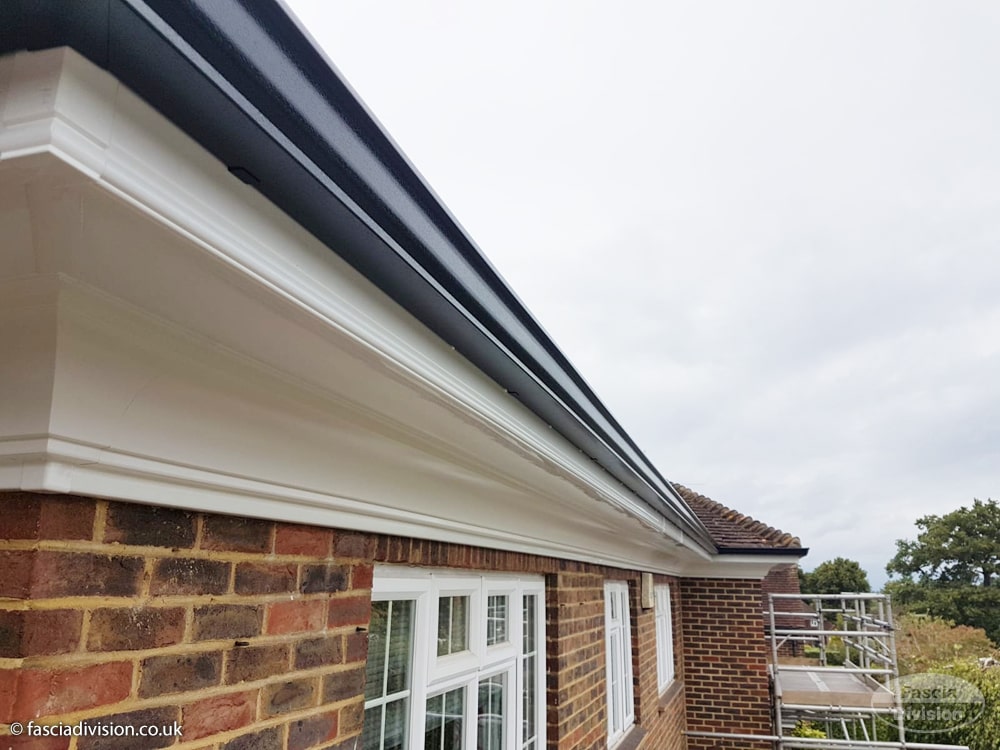
Comprehending Fascia and Soffit
What is Fascia?
Fascia is a board of product that runs along the lower edge of the roofing, where it meets the outside walls of a home. Typically constructed from wood, vinyl, or aluminum, fascia functions as a protective barrier against the aspects and functions as a base for the installation of rain gutters.
What is Soffit?
Soffit is the material installed underneath the eaves of a roofing system. It serves both functional and aesthetic functions by offering ventilation to the attic space and boosting the home’s total look. Soffits are usually made from wood, vinyl, or aluminum, and they can be strong or ventilated.
Table 1: Comparison of Materals for Fascia and Soffit
| Material | Sturdiness | Maintenance | Cost Range | Aesthetic Appeal |
|---|---|---|---|---|
| Wood | Moderate | High | Low-Moderate | Natural Look |
| Vinyl | High | Low | Moderate | Numerous Colors |
| Aluminum | Really High | Low | Moderate-High | Modern Look |
Common Problems with Fascia and Soffit
1. Rot and Decay
Wood Fascia Repair and soffit are especially vulnerable to rot caused by extended exposure to wetness. Water damage can lead to structural weak point, jeopardizing the roofing system.
2. Bug Infestation
Harmed or improperly installed soffits can work as entry points for pests such as birds, insects, or rodents, presenting extra risks to the integrity of the home.
3. Broken or Warped Material
Extreme weather can cause the warping or cracking of fascia and Upvc Soffit products, impacting their performance.
4. Improper Ventilation
Inadequate ventilation can cause moisture accumulation in the attic area, causing problems such as mold development and increased energy expenses.
5. Gutter Overflow
Blocked or incorrectly installed rain gutters can cause water pooling on the fascia, causing damage gradually.
Steps for Repairing Fascia and Soffit
Fixing fascia and soffit is a workable DIY job if you have basic carpentry skills. Here’s a step-by-step guide to assist homeowners tackle this problem.
Tools and Materials
Tools Needed:
- Ladder
- Saw
- Drill
- Hammer
- Level
- Measuring tape
- Safety goggles
- Work gloves
Products Needed:
- Replacement fascia or soffit board
- Caulk
- Paint or stain (optional)
- Fasteners (nails/screws)
Step 1: Assess the Damage
Before starting any repair, it’s important to conduct a thorough inspection. Try to find indications of rot, fractures, or insect invasions in both the fascia and soffit. Make a list of the affected areas that require repair or replacement.
Step 2: Remove Damaged Sections
Utilizing a saw, carefully eliminated damaged parts of fascia or soffit. Make sure not to harm surrounding materials. If you experience structural problems, resolve them before proceeding.
Step 3: Install Replacement Material
Cut the new fascia or soffit to fit the dimensions of the gotten rid of sections safely. Ensure a correct fit and level to avoid future problems. Attach using proper fasteners.
Step 4: Caulk and Paint
As soon as the new product is installed, use caulk to any seams or joints to create a watertight seal. If wanted, paint or stain the new section to match the existing products for a cohesive look.
Step 5: Regular Maintenance
To avoid future problems, the fascia and soffit should be checked a minimum of when a year. Keep gutters clean and guarantee there are no blockages.
Summary Table of Repair Steps
| Action | Description |
|---|---|
| Evaluate Damage | Check the fascia and soffit for rot and damage |
| Get rid of | Eliminate and eliminate broken sections |
| Set up | Replace with new product, ensuring an appropriate fit |
| Caulk & & Paint | Seal joints and color-match with existing product |
| Preserve | Regular inspections for damage prevention |
Frequently asked questions About Fascia and Soffit Repair
Q1: When should I think about employing a professional for fascia and soffit repair?
A1: If the damage to your fascia or soffit is substantial or includes structural concerns, or if you feel unpleasant performing the repair yourself, it’s suggested to hire a professional.
Q2: What are the indications that my soffit or fascia requires repair?
A2: Signs of damage might include visible rot, cracks, drooping, or gaps where pests can get in. Additionally, peeling paint or discoloration can suggest moisture-related problems.
Q3: Can I paint my vinyl soffit or fascia?
A3: While it’s possible, painting vinyl is not recommended, as it can void service warranties. Consider utilizing a paint that works with vinyl if painting is required.
Q4: How can I prevent insect invasions in my fascia and soffit?
A4: Ensure that your soffit is correctly aerated and all spaces or openings are sealed. Routinely inspect for signs of insects and attend to any concerns promptly.
Q5: How do I know if I require to replace or repair my fascia and soffit?
A5: Generally, if rot or damage covers less than 20% of the board, repairs can be done. If greater than 20% is damaged, Replacement Fascia Boards is recommended.
In conclusion, fascia and soffit play essential roles in maintaining the convenience and safety of a home. Understanding how to acknowledge concerns and perform repairs can save homeowners time and money while making sure an extended life expectancy for their roof. With the right tools, materials, and guidance, Fascia And Soffit Repair, Https://Telegra.Ph, can be a simple task. Routine maintenance is similarly crucial to keep these crucial components in great condition, therefore safeguarding the home from future damage.