

glass-repair-company1802
glass-repair-company1802
Five Killer Quora Answers On Window Restoration
Window Restoration: Reviving the Charm and Functionality of Historic Windows
Window restoration is an art that integrates workmanship, historical understanding, and contemporary techniques to revive old windows. Frequently found in historic homes and buildings, the restoration procedure not just protects the architectural stability of these structures but also enhances their energy efficiency. With lots of house owners looking for sustainable options, Local Window Repair Technician restoration is becoming a significantly popular option over replacement. This post digs into what window restoration involves, its advantages, and the typical methods included.
Comprehending Window Restoration
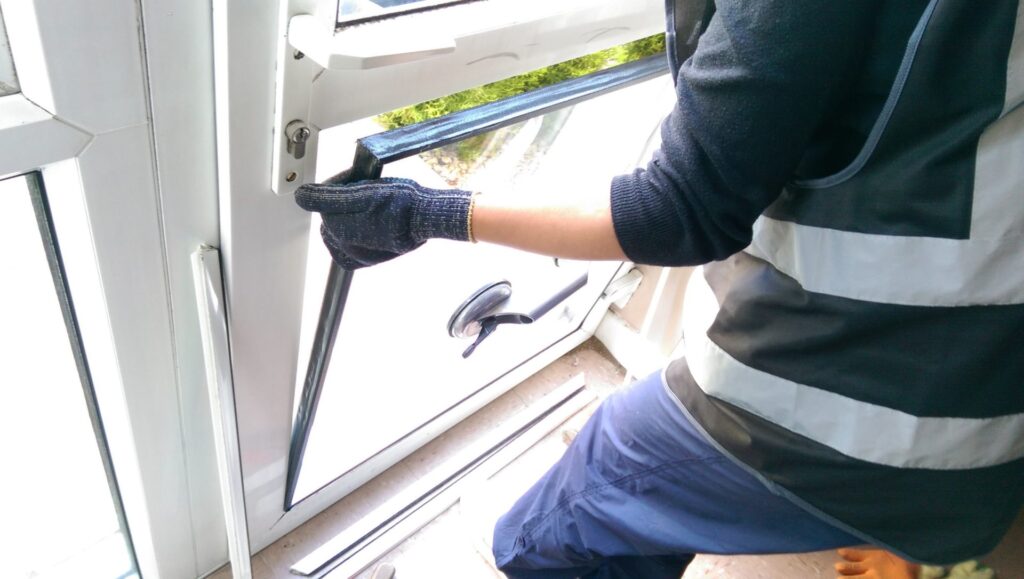
Window restoration refers to the process of fixing and bringing back the original condition of windows, particularly in historic structures. It distinguishes itself from window replacement, where entire window units are removed and changed with new ones. Rather, restoration keeps the initial products and design while fixing issues such as rot, drafts, and broken Local Glass Repair.
Key Phases of Window Restoration
-
Assessment: The primary step involves a thorough examination of the windows’ condition. This consists of checking for rot, decay, and structural integrity.
-
Disassembly: For reliable restoration, windows may require to be taken apart. This permits for a comprehensive inspection and much easier access to all components.
-
Repairing Components: This stage concentrates on repairing or replacing broken parts, consisting of sills, frames, sashes, and glass panes.
-
Reassembly: After repairs, the window components are reassembled, guaranteeing they function as originally created.
-
Finishing Touches: Finally, the windows are painted or stained to match the historical visual of the building.
Benefits of Window Restoration
-
Conservation of Historical Value: Restoring windows maintains the original character of a structure, protecting its historical significance and visual appeal.
-
Energy Efficiency: Modern weatherstripping, caulking, and glazing techniques can significantly improve energy efficiency without jeopardizing the initial design.
-
Cost-Effectiveness: Restoration can be cheaper than full window replacement and can increase the worth of the home.
-
Ecological Impact: By picking restoration over replacement, homeowners can reduce waste and the demand for brand-new materials, resulting in a more sustainable technique.
Typical Techniques in Window Restoration
| Method | Description |
|---|---|
| Sash Repair | Fixing the movable parts of double-hung windows. |
| Glazing | Changing old putty and reglazing glass for better insulation. |
| Weatherstripping | Setting up or updating weatherstripping to reduce air leaks. |
| Rot Repair | Utilizing epoxy or replacement techniques for decayed wood. |
| Painting/Staining | Restoring the original finish or using brand-new protective coverings. |
Tools and Materials Needed for Window Restoration
The tools and materials needed for window restoration might differ depending upon the particular nature of the job, however common products include:
- Toolbox: A standard toolkit with necessary hand tools like hammers, chisels, and screwdrivers.
- Rot Repair Epoxy: For fixing decomposed wood parts.
- Putty Knives: For applying glazing putty.
- Paint and Primer: Suitable for outside use to protect against components.
- Weatherstripping Material: Various types offered based on window style and condition.
- Glass Cutter: If changing any glass panes is required.
Maintenance After Restoration
After successfully restoring windows, continuous maintenance is crucial to ensure their longevity. Here are some maintenance tips:
- Regular Inspections: Check for indications of rot, wear, or damage every 6 months.
- Correct Cleaning: Use mild cleaning options to avoid damaging glazing or frames.
- Repaint or Restain As Needed: Protect the wood from ecological damage by keeping finishes and using brand-new layers when the old ones start to fade.
Frequently Asked Questions About Window Restoration
1. How do I know if my windows need restoration?
Common signs consist of difficulty opening and closing, visible rot or decay, drafts, and insufficient insulation.
2. Can I restore windows myself?
While some House Window Repair owners successfully restore their windows, the complexity of particular repairs often necessitates the skills of a professional, specifically for historic structures where keeping integrity is vital.
3. How long does the restoration process take?
The timeframe can differ based upon the variety of windows and their condition. Usually, it may take a couple of days to several weeks to complete the restoration correctly.
4. Is window restoration expensive?
While the expense can vary widely, it tends to be less than a full window replacement. Aspects influencing expense include the extent of repairs and the products used.
5. Will restored windows be as energy-efficient as new ones?
With contemporary methods, restored windows can achieve equivalent energy performance to new ones, particularly when integrated with weatherstripping and correct glazing methods.
Window restoration acts as an important process not just for keeping the historic charm of buildings however likewise for boosting their energy effectiveness. By maintaining original products and workmanship, property owners can take pleasure in practical and visually pleasing windows that tell a story of their own. Whether opting for a DIY technique or hiring specialists, comprehending the subtleties of window restoration can lead to rewarding and sustainable results, keeping history alive for generations to come.
