

fascia-and-soffit-repair5406
fascia-and-soffit-repair5406
What’s The Current Job Market For Upvc Soffit Professionals Like?
Understanding UPVC Soffit: The Smart Choice for Homeowners
When it concerns home building and renovation, one component that typically goes undetected is the soffit. While they are usually out of sight and out of mind, soffits play a crucial role in safeguarding the structural stability of a home. As property owners seek long lasting and low-maintenance services, UPVC (Unplasticized Polyvinyl Chloride) soffits have actually gotten popularity. This article will explore the many benefits of UPVC soffits, compare them with standard products, and address typical questions concerning their installation and care.
What is a Soffit?
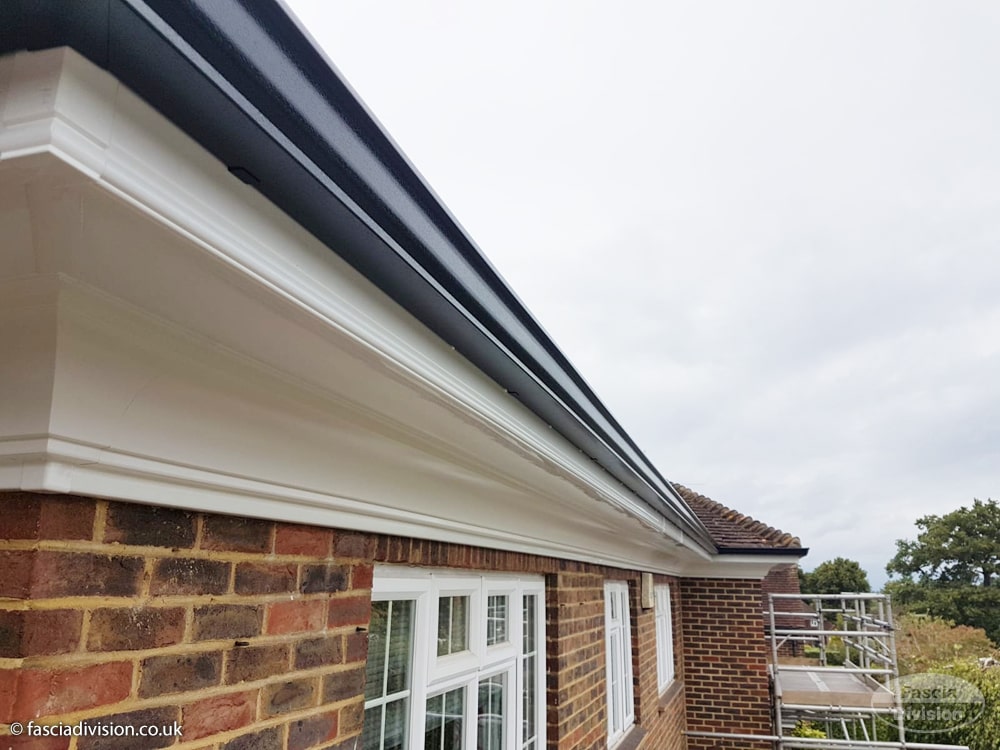
The term “Soffit Repair” describes the underside of any architectural structure, specifically those between the top of an exterior wall and the roofing’s eaves. In domestic building, soffits are typically installed to complete the exterior roofline. They come in different materials, however Upvc Fascias is rapidly emerging as a preferred option due to its special properties.
Benefits of UPVC Soffits
UPVC soffits provide a number of advantages over conventional materials like wood or aluminum. Here are some advantages detailed in the table below:
| Advantage | UPVC Soffits | Standard Materials (Wood, Aluminum) |
|---|---|---|
| Durability | Resistant to rot, wetness, and insects | Prone to rotting and rust |
| Maintenance | Nearly maintenance-free | Requires regular painting and sealing |
| Cost | More cost-efficient in the long run | Normally more pricey due to maintenance |
| Aesthetic Options | Available in various colors and finishes | Minimal to natural finishes, may require repainting |
| Installation | Lightweight and easy to set up | Much heavier, more intricate installation process |
| Insulation | Supplies much better insulation | Can do not have in energy efficiency |
Resilience and Longevity
Among the most considerable advantages of UPVC soffits is their toughness. Unlike wood, UPVC does not rot, warp, or experience insect infestations. A properly preserved UPVC soffit can last for years, making it an unbeatable choice for property owners looking for longevity.
Low Maintenance
UPVC soffits need minimal maintenance. Unlike Wooden Fascias soffits that require to be painted or stained routinely, UPVC merely needs a clean wipe with a damp cloth or a pressure wash to eliminate dirt and gunk.
Cost-Effectiveness
While the initial installation cost of UPVC may be higher compared to some conventional materials, the long-term cost savings on maintenance and prospective replacement expenses make UPVC the more affordable option.
Types of UPVC Soffits
When selecting UPVC soffits, property owners can pick from various styles and styles:
-
Vented Soffits: These include openings to permit airflow, promoting ventilation in the attic space and assisting to prevent moist and mold.
-
Strong Soffits: Solid choices supply a clean, finished look and are ideal for locations where ventilation isn’t an issue.
-
Beaded Soffits: These provide a decorative edge with a beaded design, improving the visual appeal of the home’s outside.
-
Flat Soffits: These supply a simple, modern look and are typically used in contemporary home styles.
Comparison with Wood and Aluminum
| Aspect | UPVC | Wood | Aluminum |
|---|---|---|---|
| Water Resistance | Highly resistant | Prone to water damage | Extremely resistant |
| Fire Resistance | Moderate | Extremely combustible | Non-combustible |
| Insulation | Great insulation homes | Outstanding insulation | Average insulation |
| Installation | Easier and quicker | Labor-intensive | Moderate trouble |
Installation of UPVC Soffits
Installation of UPVC soffits can be done by knowledgeable DIY lovers or professional contractors. Here’s a short overview of the installation procedure:
-
Preparation: Ensure the area is tidy and without debris. Remove the existing soffit material if necessary.
-
Measuring: Measure the length and width of the area where the soffits will be installed. This step makes sure exact cutting and fitting.
-
Cutting and Fitting: Cut the UPVC panels to the appropriate dimensions. Start connecting from one end, guaranteeing a snug fit versus the fascia board.
-
Securing: Use ideal fasteners to secure the soffits in location.
-
Finishing Touches: Add any needed caps or trims for a tidy finish. If venting is required, install vented panels in the designated areas.
Frequently Asked Questions About UPVC Soffits
1. The length of time do UPVC soffits last?
UPVC soffits can last for over 20 years or more with minimal upkeep, making them a long lasting alternative.
2. Can UPVC soffits be painted?
Technically, UPVC can be painted, however it is not recommended as the paint may not adhere well and might peel over time.
3. Are UPVC soffits ecologically friendly?
UPVC is a synthetic material; nevertheless, it can be recycled at the end of its life cycle. When properly preserved, it can have a long lifespan, lowering the requirement for regular replacements.
4. Do UPVC soffits help with energy effectiveness?
Yes, UPVC soffits can assist increase energy performance by improving the insulation of your home, particularly when integrated with proper ventilation.
5. How do I clean UPVC soffits?
Merely clean them down with warm water and a soft fabric or utilize a pressure washer for a more comprehensive cleansing.
In general, UPVC soffits represent a wise choice for property owners looking for resilience, low maintenance, and long-term cost-effectiveness. With a range of designs to pick from, these soffits not just satisfy a useful function but can also improve the total aesthetic of a home. Consider UPVC as your solution to accomplishing an efficient and appealing exterior!